How Often Should You Water Your Chinese evergreen?
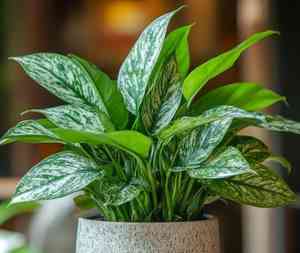
1
Hydrate your Aglaonema weekly to ensure its health. Always verify the soil's dampness before subsequent irrigation.
2
In the colder months, your Aglaonema might require less frequent irrigation. Modify your routine to prevent excessive watering.
3
Employ purified or demineralized water for optimal outcomes. Chemicals in tap water could potentially harm the plant.
Deciphering Your Aglaonema's Hydration Requirements
The Value of Correct Hydration
Correct watering is vital for your Aglaonema to sustain its rich, green foliage. This species, originating from Southeast Asian tropical forests, thrives in consistently moist but not saturated soil. Appropriate irrigation practices guarantee efficient nutrient uptake, ultimately fostering overall plant vitality and development. Without sufficient moisture, your Aglaonema might exhibit stunted growth and faded leaves, highlighting the need for a regular watering regimen.
Indicators of Under and Over-Irrigation
Recognizing the symptoms of insufficient and excessive watering aids in preserving your Aglaonema's vigor. Under-watered plants often display brown, crisp leaf edges and show signs of wilting. Conversely, over-watered plants frequently present with yellowing leaves, root decay, and a generally flaccid appearance. Early observation of these signs can help rectify your watering schedule, safeguarding the plant's health.
Optimal Watering Frequency for Your Aglaonema
Elements Affecting Watering Frequency
Various elements influence how often you'll need to water your Aglaonema. These include the plant's dimensions, container type, light exposure, and ambient temperature. Generally, a larger plant in a smaller pot might require more frequent watering, while lower light and cooler temperatures could reduce watering frequency. Always adjust according to these conditions to ensure peak plant health.
Seasonal Adjustments to Watering Schedules
Modify your watering routine as the seasons change. During the active growth periods of spring and summer, your Aglaonema typically demands more water, utilizing increased light and warmth to fuel its development. In fall and winter, the plant enters a phase of reduced metabolic activity, indicating a need for less frequent irrigation. This adjustment prevents root rot and keeps your plant thriving.
Effective Methods for Watering Your Aglaonema
The Correct Method: Sub-Irrigation vs. Surface Watering
Both sub-irrigation (bottom watering) and surface watering (top watering) can be effective for your Aglaonema. Bottom watering enables the plant to draw water through its drainage holes, ensuring roots are adequately moisturized and lessening the chance of fungal growth on the foliage. Top watering, meanwhile, is swift and effective when performed carefully to prevent soil saturation. Select a method that aligns with your routine and the plant's requirements.
Selecting the Appropriate Water Source
Not all water is created equal. For your Aglaonema, utilizing filtered or distilled water is the most advantageous approach. This helps to avert the detrimental effects of fluoride and chlorine present in tap water. If using tap water, allowing it to sit for 24 hours before use permits these chemicals to dissipate.
Monitoring Substrate Moisture Levels
Periodically check the uppermost 2-3 inches (5-7.5 cm) of soil for dampness. If it feels dry when touched, it's time to water. Investing in a moisture sensor can offer more precise readings and aid in maintaining the appropriate hydration level for your Aglaonema.
Common Errors to Avoid When Hydrating Your Aglaonema
Ignoring Container Size and Drainage
The dimensions of the container and its drainage capabilities critically affect your watering practices. Ensure your Aglaonema is potted in a container with adequate drainage holes. Overlooking this can lead to water pooling, encouraging root rot. Adjust pot size as the plant matures, avoiding containers that are either too large or too small, to maintain optimal moisture levels.
Neglecting Ambient Moisture
Humidity is a crucial factor in the well-being of your Aglaonema. These plants prefer a moist environment, ideally around 60-70%. In arid conditions, misting the leaves or employing a humidifier can be beneficial. Overlooking humidity levels may result in parched, brittle leaves and general plant stress.



