How Often Should You Water Your Century plant?
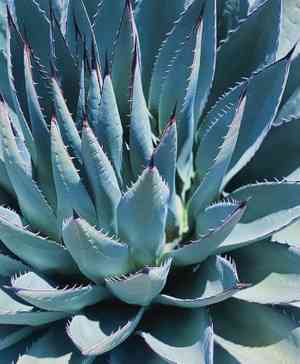
1
To promote the best growth, irrigate your Century plant bi-weekly, making adjustments based on seasonal conditions.
2
Employ a soil moisture sensor to confirm the substrate is sufficiently dry prior to re-watering.
3
Watering in the early part of the day is recommended for leaf drying and inhibiting fungal development.
Deciphering the Hydration Requirements of Agave americana
Typical Water Requirements
The Century plant (Agave americana) is a succulent celebrated for its robustness and capacity to flourish in arid conditions. Generally, it needs irrigation every two weeks. This frequency accommodates its distinct water storage abilities and lowers the chance of root decay. Due to its adaptation to dry climates, the Century plant can endure prolonged periods without water, making it perfect for those who prefer easy-care flora.
Factors Influencing Water Needs
Several elements can impact the volume and regularity of watering for your Century plant. Climate plays a key role; specimens in hotter, drier regions might demand more frequent watering. Similarly, the plant's placement—indoors or outdoors—can affect its hydration requirements. Indoor plants typically need less water than those exposed to direct outdoor sunlight. Soil composition is another vital aspect; well-draining sandy soil, favored by Century plants, will dry faster than heavier soil types.
Optimal Hydration Times for Your Century plant
Best Time of Day for Watering
The best moment to water your Century plant is early in the morning. This timing allows water to permeate deeply into the soil before the day's heat prompts rapid evaporation. Morning watering also lets the plant's foliage dry out, lessening the risk of fungal infections. Evening watering is less advised, as lingering dampness can encourage fungal and pest problems.
Seasonal Watering Schedule
The watering regimen for your Century plant should adapt with the seasons. During its active growth in spring and summer, maintaining a bi-weekly watering pattern is recommended. However, in the cooler fall and winter months, the plant's growth decelerates, and watering can be reduced to once a month. Always ensure the soil is dry before the next watering session to prevent excessive irrigation.
Indicators of Over- and Under-Hydration
Symptoms of Overwatering
Overwatering is a frequent issue with Century plants and can severely harm their health. Signs include yellowing leaves, a soft, spongy feel at the plant's base, and an unpleasant smell indicating root rot. If these symptoms appear, decrease watering frequency and ensure the soil drains efficiently. Repotting the plant into fresh, dry soil can also assist in severe instances.
Symptoms of Underwatering
Underwatering, though less common, can also negatively impact a Century plant's vitality. Signs include crinkled or shriveled foliage and brown leaf edges. The plant might also seem stunted or unusually light. To rehydrate, gradually reintroduce water to the soil, being careful not to deluge the plant after a dry spell.
Guidelines for Effective Watering Practices
Watering Methods and Tools
Effective watering techniques are essential for the Century plant. Utilizing a watering can with a slender spout helps direct water to the soil, preventing wetting the leaves, which are prone to rot if overly moist. For larger outdoor plants, drip irrigation systems can sustain consistent moisture levels without oversaturating the soil. Additionally, moisture meters are useful tools for gauging soil dampness, ensuring proper plant hydration.
Checking Soil Moisture Before Watering
Before irrigating your Century plant, always assess the soil's moisture. Insert your finger about 5-7 cm (2-3 inches) into the substrate; if it feels dry at this depth, it's time to water. Alternatively, moisture meters offer more precise measurements, helping you avoid both excessive and insufficient watering. Monitoring the soil ensures the plant receives the correct amount of water for robust growth.



