How Often Should You Water Your Tree aeonium?
1
Provide moisture to your Tree aeonium roughly every 14 days. Modify how often you water depending on the time of year and surrounding conditions.
2
Make sure the growing medium drains efficiently; a substrate designed for succulents is most effective.
3
Prevent water from accumulating in the tray beneath the container, as this can cause the roots to decay.
Deciphering Tree Aeonium's Hydration Requirements
Essential Information on Tree Aeonium Moisture
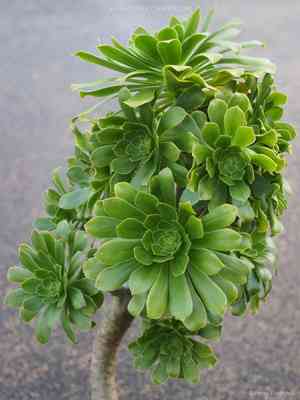
The Tree aeonium is a succulent recognized for its striking rosette leaves and tree-like form. Like other succulents, the Tree aeonium stores moisture in its foliage, enabling it to thrive in arid conditions. This natural storage system means it doesn't require frequent watering, typically flourishing on a bi-weekly schedule. It's vital to let the potting mix completely dry between waterings, as excessive irrigation can lead to root decay.
Indicators of Insufficient and Excessive Watering
Distinguishing between insufficient and excessive watering is crucial for your Tree aeonium's well-being. Under-watering usually appears as wrinkled or shriveled leaves, whereas over-watering can cause foliage to become soft and discolored. Furthermore, saturated soil can result in root rot, a severe condition that may cause the plant to collapse. Therefore, monitoring both the plant's appearance and the soil's moisture level is paramount.
Optimal Practices for Irrigating Tree Aeoniums
Seasonal Adjustments to Watering
Similar to many plants, the Tree aeonium's water requirements shift with the seasons. During its active growth phase, typically spring and summer, the plant will need more frequent irrigation. Conversely, during the fall and winter dormancy periods, decrease watering to prevent waterlogging. In colder regions, ensure the plant is indoors with minimal watering to reflect its slowed metabolic processes.
Correct Watering Methods
The technique you employ to water your Tree aeonium is just as important as how often you do it. Saturate the plant until surplus water escapes through the pot's drainage holes. It's recommended to water in the morning, allowing the plant sufficient time to absorb moisture throughout the day. Avoid getting water directly on the leaves to prevent rot. After watering, ensure you empty the saucer beneath the pot to prevent standing water, which can lead to root decay.
Common Errors to Avoid When Hydrating Tree Aeoniums
Over-Compensating for Dry Periods
It may be tempting to irrigate your Tree aeonium more often during hot, dry weather, assuming it's parched. However, over-watering during dry spells can cause more harm than good. Adhere to the established watering routine, checking the soil moisture before making any alterations. Remember, it's safer for succulents to be slightly under-watered rather than over-watered.
Ignoring Pot and Substrate Types
The selection of the pot and soil plays a significant role in successful Tree aeonium watering. Utilizing a well-draining soil blend, ideally formulated for succulents, prevents water retention. Additionally, containers must have drainage holes to allow excess water to escape. Without these precautions, water may accumulate at the bottom, leading to root rot. Periodically verify that drainage holes are clear and functioning properly.
Resolving Hydration Issues
Modifying Watering Frequency
If you observe indications of watering problems such as leaf discoloration or soggy substrate, consider altering your watering frequency. Sometimes, external elements like humidity and temperature fluctuations necessitate minor adjustments. Consistently observe your Tree aeonium and adapt your watering schedule accordingly. A moisture meter can be a useful instrument to ensure the soil has the appropriate dampness level.
Changing Soil Composition or Containers
If adjusting the watering schedule doesn't fix the issue, it might be time to examine the soil and pot. Repot your Tree aeonium into fresh, well-draining soil if it has been in the same container for several years. Also, opt for a pot that provides ample drainage to ensure water doesn’t pool at the bottom. These actions can often resolve persistent watering problems by enhancing overall plant vitality.



