How Often Should You Water Your Ground elder?
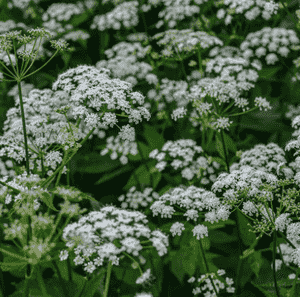
1
Moisten your Ground elder about once per week for best development. Modify how often you water based on your local environment's specific circumstances.
2
Employ devices such as moisture sensors to precisely gauge soil wetness, rather than depending solely on visual indicators.
3
The most effective time to water is in the early morning or late afternoon, enabling the soil to take in moisture without significant loss due to evaporation.
Grasping Ground Elder's Moisture Requirements
The Significance of Adequate Hydration
Sufficient moisture is vital for Ground elder's well-being and development. This perennial, often utilized as ground cover, flourishes in damp, well-draining soil. Supplying the correct water volume helps sustain its vibrant green look and prevents stress-related problems like wilting or yellowing foliage.
Elements Affecting Water Demands
Several aspects influence the water quantity your Ground elder requires. These include the local climate, soil composition, and plant maturity. For instance, sandy soils drain quickly and might need more frequent irrigation compared to clay soils. Similarly, during hot, arid weather, you may need to water more often than in cooler periods.
How to Ascertain if Your Ground Elder Needs Water
Visible Indicators of Insufficient Watering
Under-watering can cause Ground elder to exhibit several clear signs. Watch for drooping leaves, especially during the warmest part of the day. Foliage may also start to yellow and fall if the plant is severely dehydrated. Observing these visual cues can help you address water scarcity before significant harm occurs.
Assessing Soil Dampness
A dependable method to determine if your Ground elder needs water is by checking the soil's moisture level. Use your finger or a moisture meter to inspect the soil. If the top 2-3 inches (5-7.5 cm) of soil are dry, it's time to irrigate. Soil that feels cool and moist indicates the plant has enough water for the moment.
Seasonal Considerations for Irrigation
Your Ground elder's watering needs can shift with the seasons. In spring and summer, when the plant is actively growing, it will demand more frequent watering. Conversely, during fall and winter, you can reduce irrigation frequency as the plant's growth slows. Pay close attention to weather patterns and adjust accordingly.
Optimal Watering Methods for Ground Elder
Quantity of Water to Apply
When watering your Ground elder, aim for a thorough drenching rather than a light sprinkle. This ensures water reaches the root zone, fostering robust growth. Generally, about 1 inch (2.5 cm) of water per week, from rain or irrigation, should suffice. Adjust the amount based on your soil's drainage and plant requirements.
Best Time of Day for Irrigation
The ideal time to water Ground elder is early in the morning or late afternoon. Watering during these periods minimizes evaporation and allows the plant to absorb water efficiently. Avoid watering midday when the sun is strongest, as this can lead to water loss due to evaporation and potentially harm the plant.
Utilizing Appropriate Watering Implements
Employing the correct tools can make watering your Ground elder more effective. Items like soaker hoses, drip irrigation systems, or a simple watering can with a fine nozzle can help distribute water evenly without waste. A layer of mulch around the plant also aids in retaining moisture and reducing watering frequency.
Sustaining Proper Watering Practices Long-Term
Consistent Observation and Adjustments
Regular monitoring is crucial for maintaining appropriate watering habits. Check your Ground elder frequently for indications of both insufficient and excessive watering. Be ready to modify your watering schedule based on changes in weather, soil conditions, and plant growth stages. This proactive approach ensures your Ground elder's enduring health and vigor.
Addressing Watering Difficulties
Like any plant, Ground elder can encounter various watering challenges. Over-watering can lead to root rot, while prolonged drought stress can weaken the plant. To combat these issues, ensure proper soil drainage, prevent waterlogging, and mulch to retain soil moisture. Promptly addressing these challenges helps your Ground elder thrive in any environment.



