How Often Should You Water Your Bear's breech?
1
Hydrate your Bear's breech around once per week for adequate moisture.
2
Various soil compositions significantly influence how often to water Bear's breech.
3
Excessive watering is a frequent error, potentially causing root decay and other plant ailments.
Understanding the Hydration Requirements of Bear's breech
The Fundamentals of Bear's breech Moisture
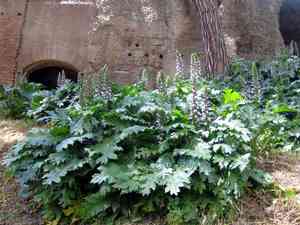
Acanthus mollis, commonly known as Bear's breech, is a striking perennial recognized for its large, glossy foliage and impressive flower spikes. Providing the correct amount of water is vital for its vitality and development. Typically, it thrives with weekly irrigation, though this can fluctuate based on various elements. The plant prefers consistent soil moisture but must never be waterlogged. Both excessive and insufficient watering can stress the plant and hinder its growth.
How Soil Composition Influences Watering
The kind of soil where you cultivate your Bear's breech significantly affects its watering frequency. Good drainage is crucial to prevent water from pooling around the roots, which can lead to root rot. Sandy soils may necessitate more frequent watering due to rapid drainage, whereas clay-rich soils, which retain moisture longer, might require less frequent irrigation. To maintain a healthy Bear's breech, consider enriching your soil with compost or other organic matter to enhance its water retention and drainage capabilities.
Seasonal Changes in Watering Needs
Seasonal shifts greatly influence the watering demands of your Bear's breech. During hot summer months, your plant will likely need more frequent watering to cope with elevated temperatures and increased evaporation. Conversely, in cooler winter months, the plant's growth slows, and its water requirements diminish. Adapting your watering schedule to these seasonal variations is essential. In winter, be especially careful not to overwater, as the plant's reduced activity requires less moisture.
Step-by-Step Watering Guide for Bear's breech
Assessing Soil Moisture Prior to Watering
Before irrigating your Bear's breech, it's important to check the soil's moisture level. Use your finger or a moisture meter to gauge how wet the soil is approximately 2-3 cm (1 inch) below the surface. If it feels dry, it's time to water. If it still feels damp, you can wait a few more days and recheck. This helps prevent the common problem of overwatering.
Correct Watering Methods
When watering your Bear's breech, aim for deep and thorough saturation. This encourages roots to grow downward and access water from a larger soil volume. Water at the plant's base, avoiding the leaves, to minimize the risk of fungal diseases. Water in the early morning or late afternoon to reduce evaporation and allow the plant to absorb moisture efficiently.
Watering Frequency Based on Environmental Factors
The frequency of watering your Bear's breech should be adjusted according to environmental conditions. In warmer climates, you may need to water more often, while in cooler, more humid environments, you might need to water less frequently. Ensure you modify your watering habits based on weather forecasts and the specific conditions of your garden or indoor setting.
Common Watering Errors to Avoid with Bear's breech
Excessive Watering and Its Consequences
Overwatering is a frequent error made by gardeners. Too much water can suffocate the plant's roots, leading to root rot and other issues. Signs of overwatering include yellowing foliage, moldy soil, and a musty odor. To prevent this, always check soil moisture before watering and ensure your plant has adequate drainage.
Insufficient Watering: Indicators and Solutions
Conversely, underwatering can also be detrimental to Bear's breech. If the plant doesn't receive enough water, it may wilt, and its leaves can become dry and brittle. To remedy this, establish a consistent watering schedule, ensuring the soil remains uniformly moist but not saturated. Be particularly attentive during hot weather, as the plant will require more water to stay healthy.
Using Inappropriate Water Types
The kind of water you use can affect your plant's health. Tap water, especially if it contains high levels of chlorine or fluoride, can sometimes cause leaf tip burn. Using rainwater or distilled water can be beneficial, as these water types are free from harmful chemicals. If you must use tap water, let it sit overnight to allow chlorine to dissipate before applying it to your plants.
Advanced Recommendations for Optimal Bear's breech Hydration
Adapting Watering Practices for Healthy Development
For optimal hydration, consider adjusting your watering habits based on the growth stage of your Bear's breech. Younger plants may need more frequent watering as they establish their root systems, while mature plants typically require less frequent but deeper irrigation. Observing your plant's growth pattern and adjusting accordingly can promote healthier development.
Monitoring Plant Vitality and Modifying Care
Regularly observe the overall health of your Bear's breech. Look for indicators such as changes in leaf color, wilting, or unusual growth patterns. These can signal that the plant's water needs are not being met. If you notice these signs, re-evaluate your watering schedule, soil conditions, and environmental factors to make necessary adjustments. This attentive care will ensure your Bear's breech remains vibrant and healthy.



