How Often Should You Water Your Blackwood?
1
Provide your Blackwood with water weekly to maintain steady hydration.
2
Employ a thorough watering method to promote robust root development.
3
Applying mulch around the plant's base aids in preserving soil moisture and reducing water loss.
Understanding Blackwood Hydration Requirements
Recognizing Indicators of Adequate Moisture
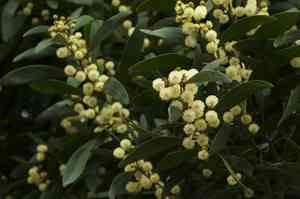
For your Blackwood to flourish, it's crucial to identify signs of proper hydration. Well-watered Blackwood trees display lush, vibrant foliage, vigorous growth, and overall vitality. Leaves should be green and firm, without wilting or discoloration. Additionally, new shoots should appear regularly, signaling the tree receives sufficient water.
Typical Symptoms of Excessive and Insufficient Watering
Both overwatering and underwatering can severely impact your Blackwood's health. Overwatering frequently leads to yellowing leaves, root decay, and the tree's general decline. Conversely, underwatered Blackwood trees may show dry, brittle leaves and stunted development. Recognizing these signs helps you adjust watering practices, ensuring optimal moisture for your tree.
Seasonal Changes in Water Demands
Your Blackwood's watering needs fluctuate with the seasons. During the active growth period, typically spring and summer, the tree will require more water due to increased growth and evaporation. In contrast, during autumn and winter, the Blackwood will need less frequent watering as its growth slows. Adapting your watering schedule to these seasonal shifts is vital for maintaining your tree's health.
Optimal Practices for Blackwood Irrigation
Selecting the Ideal Time of Day for Watering
Timing is crucial when irrigating your Blackwood. The best time to water is early morning or late afternoon. Watering during these cooler periods minimizes water loss from evaporation and allows water to penetrate to the roots, ensuring the tree absorbs the maximum moisture.
Effective Methods for Thorough Watering
Deep watering encourages your Blackwood's roots to grow deeply into the soil, providing greater stability and access to water reserves. To deep water, irrigate your tree slowly and completely until the soil is moist to a depth of approximately 30-45 cm (12-18 inches). This method ensures water reaches deeper roots, fostering a healthy, robust root system.
The Role of Mulch in Moisture Retention
Mulching is an essential practice for maintaining soil moisture around your Blackwood. By applying a layer of organic mulch around the tree's base, you can help retain moisture, reduce evaporation, and regulate soil temperature. Mulch also suppresses weeds and improves soil health as it breaks down. Aim for a mulch layer about 5-7.5 cm (2-3 inches) thick, but keep it a few centimeters from the trunk to prevent rot.
Tools and Equipment for Efficient Irrigation
Choosing the Best Watering Systems for Blackwood
When watering your Blackwood, having the right tools and equipment can make a significant difference. Drip irrigation systems are an excellent choice for Blackwood, providing a slow, steady water supply directly to the root zone, minimizing waste and ensuring thorough hydration. Soaker hoses are another effective option, especially for larger trees or multiple plants, allowing water to seep evenly into the soil.
Using Moisture Meters for Precise Watering
Moisture meters are invaluable tools for ensuring accurate Blackwood watering. These devices measure soil moisture content, providing precise information on when your tree needs water. Using a moisture meter eliminates guesswork and prevents risks associated with overwatering or underwatering. Most moisture meters are simple to use, with easy-to-read displays offering instant feedback on soil conditions.
Advantages of Employing Automated Watering Systems
Automated watering systems offer convenience and efficiency in maintaining your Blackwood's hydration needs. These systems can be programmed to water your tree at specific intervals, ensuring consistent moisture levels without constant manual intervention. Automated systems also allow for customization, such as adjusting watering frequency and duration based on seasonal changes or specific plant requirements.



