How to Transplant Zinnia peruviana?
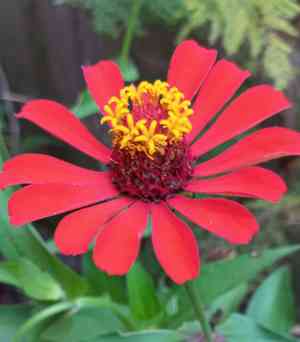
For peruvian zinnia, the ideal period for relocation is after the last frost has passed, indicating nature's renewal. Select a brightly lit spot for robust development. If necessary, amend the earth with organic matter to provide a nourishing environment for these yearly blooms.
What Preparations are Needed Before Transplanting Peruvian Zinnia?
What is the Ideal Time for Transplanting Peruvian Zinnia?
The perfect time for moving peruvian zinnia is during the spring season, as the weather starts to warm up. Transplanting peruvian zinnia at this time allows them to establish well before summer's peak, developing strong roots and flourishing in longer daylight hours. Following this practice will lead to a magnificent display of peruvian zinnia's vibrant colors enhancing your garden as the season progresses.
How Much Space Should You Leave Between Peruvian Zinnia Plants?
Begin by spacing your peruvian zinnia plants with an optimal distance of 1-2 feet (30-60 cm) between each. This spacing guarantees adequate air circulation and sunlight, minimizing disease risk and fostering robust development.
What is the Best Soil Mix for Peruvian Zinnia Transplanting?
For the peruvian zinnia plant, utilize a well-draining, loamy soil. Prior to planting, incorporate some organic compost or a slow-release granular fertilizer. This will enrich the soil and provide a strong foundation for your peruvian zinnia plants to thrive.
Where Should You Relocate Your Peruvian Zinnia?
The peruvian zinnia loves the sun, so select a sunny location for transplanting. A spot receiving at least 6-8 hours of direct sunlight daily would be excellent. If possible, avoid areas that are frequently shaded.
What Equipments Should You Prepare Before Transplantation Peruvian Zinnia?
Gardening Gloves
These will protect your hands from potential harm when handling soil and plants.
Shovel or Spade
To excavate the hole in the ground for relocating your peruvian zinnia plant.
Pruning Shears
Useful for trimming any dead or diseased parts from the plant, encouraging healthy growth.
Watering Can
To adequately water the peruvian zinnia plant, both before and after transplanting.
Pot (if transplanting from a pot)
To securely hold the peruvian zinnia plant during the removal process.
How Do You Remove Peruvian Zinnia from the Soil?
How Do You Remove Peruvian Zinnia from the Soil?
From Ground: First, water your peruvian zinnia plant to moisten the soil, making extraction easier. Use a shovel or spade to dig a deep trench around the plant, ensuring no root damage. Gently work the spade beneath the root ball and lift it from the ground.From Pot: Start by watering your peruvian zinnia plant, as this simplifies the removal process. Carefully invert the pot and tap its base to loosen the root ball. Gradually pull out the plant by holding its base, taking care not to harm the roots or stems.From Seedling Tray: Water the seedlings, then carefully separate the peruvian zinnia you wish to transplant, ensuring the root system remains undisturbed. Lift the seedling gently, one hand supporting the roots and the other the upper plant.
Step-by-Step Guide for Transplanting Peruvian Zinnia
Digging
Use a shovel or spade to create a hole in the prepared location. Make the hole twice as wide as the peruvian zinnia plant's root ball and as deep as its height.
Planting
Place the peruvian zinnia plant into the hole. The top of the root ball should be level with the ground surface.
Backfilling
Refill the hole with soil, firming it around the base to eliminate any air pockets. Avoid planting too deeply, as this could lead to stem rot.
Watering
Thoroughly water the plant after transplanting to help settle the soil.
Mulching
Apply a 2-3 inch layer of mulch around the plant, but keep it away from the stem. Mulch aids in retaining soil moisture and suppressing weeds.
How Do You Care For Peruvian Zinnia After Transplanting?
Watering
Water your peruvian zinnia plant regularly, but avoid over-watering to prevent root rot. The top layer of soil should dry out slightly between waterings.
Pruning
Remove any dead or damaged parts from your plant to encourage new growth. This is also a useful method for shaping your peruvian zinnia plant to your preference.
Checking
Regularly inspect your peruvian zinnia plant for any signs of diseases or pests. If observed, address them promptly with appropriate organic or chemical treatments.
Fertilizing
While soil type and fertilizers are not the focus here, it's crucial to understand that too much or too little can impact your plant's growth. Monitor your peruvian zinnia's health and consult a local nursery or extension service if needed.
Troubleshooting Common Issues with Peruvian Zinnia Transplantation.
When is the best time to transplant peruvian zinnia?
The optimal period to transplant peruvian zinnia is during the initial growth seasons, specifically the first to third seasons.
What is the optimal distance between peruvian zinnia when transplanting?
When transplanting peruvian zinnia, aim for a spacing of approximately 1-2 feet (30-60 cm). This provides each plant ample room to flourish without competition.
How much sun should peruvian zinnia get after being transplanted?
Peruvian zinnia thrives in sunlight! Ensure it receives full sun exposure daily for optimal growth post-transplant.
How often should I water peruvian zinnia after transplanting?
Immediately after transplanting, water peruvian zinnia generously. However, once established, water moderately to prevent soil waterlogging.
Why are the leaves of my newly transplanted peruvian zinnia wilting?
Wilting after transplantation can indicate transplant shock. Ensure you are not overwatering peruvian zinnia and that it receives sufficient sunlight.
What can I do if peruvian zinnia's growth seems stunted after transplanting?
Ensure peruvian zinnia receives ample sunlight and is not overcrowded by other plants. Also, verify that the soil nutrition is adequate.
How do I fix yellowing leaves on a transplanted peruvian zinnia?
Yellow leaves may signal overwatering or poor drainage. Adjust your watering schedule and confirm the soil drains effectively.
Should I add any fertilizers during peruvian zinnia's transplanting?
Yes, it can be beneficial. Incorporating a slow-release fertilizer during transplanting can provide peruvian zinnia with the nutrient boost needed for rapid rooting.
How can I minimize transplant shock for peruvian zinnia?
Minimize root exposure to air during transplanting, water sufficiently, and offer temporary shade to reduce stress and shock for peruvian zinnia.
What type of soil is best for transplanting peruvian zinnia?
Peruvian zinnia prefers well-draining soil, rich in organic matter. Ensure the pH level is around 6.0â7.5 for ideal growth.



