How to Transplant Narrow leaf zinnia?
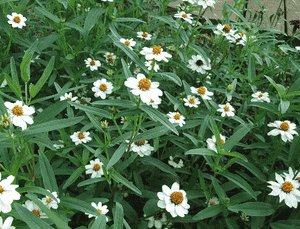
To achieve optimal outcomes, relocate narrow leaf zinnia in the period spanning early to mid-summer or during mid-autumn. This specific timeframe guarantees ideal circumstances for the plant's development. Select a site that offers good drainage and ample sunlight. Exercise caution with the fragile root system while moving the plant to prevent harm. Enjoy your gardening!
What Preparations are Needed Before Transplanting Narrow Leaf Zinnia?
What is the Ideal Time for Transplanting Narrow Leaf Zinnia?
Consider planting narrow leaf zinnia outdoors during the pleasant period from early to mid-summer or in the transitional phase of mid-fall. This timing is perfect because their roots establish faster in warm soils with moderate temperatures. The changing leaf colors in autumn provide a stunning backdrop as narrow leaf zinnia begins its growth spurt. And transplanting in summer allows them ample time to mature and bloom. You'll be amazed by the rapid transformation of your garden bed during these seasons with narrow leaf zinnia!
How Much Space Should You Leave Between Narrow Leaf Zinnia Plants?
When relocating narrow leaf zinnia, position them approximately 6-12 inches (15-30 cm) apart to allow for unhindered growth and flowering.
What is the Best Soil Mix for Narrow Leaf Zinnia Transplanting?
A well-draining soil with a pH between 6.0 and 7.0 is optimal for narrow leaf zinnia. Incorporate a slow-release, balanced fertilizer (e.g., 10-10-10) prior to planting.
Where Should You Relocate Your Narrow Leaf Zinnia?
Select a sunny location for narrow leaf zinnia to receive at least 6 hours of daily sunlight. Partial shade is acceptable, but full sun will yield the best outcomes.
What Equipments Should You Prepare Before Transplantation Narrow Leaf Zinnia?
Shovel or Spade
For excavating the planting hole and extracting narrow leaf zinnia from its current spot.
Gardening Gloves
To safeguard your hands while handling soil and plants.
Watering Can
To hydrate the plant before and after its relocation.
Gardening Trowel
For removing the plant from smaller containers such as pots or seedling trays.
Wheelbarrow
To transport the plant from its original position to the new site, especially if it's large or heavy.
Mulch
To assist the soil in retaining moisture post-transplanting.
Pruning Shears
To trim any damaged roots or branches.
How Do You Remove Narrow Leaf Zinnia from the Soil?
How Do You Remove Narrow Leaf Zinnia from the Soil?
From Ground: Begin by watering the narrow leaf zinnia plant to moisten the soil surrounding the root ball. Then, using a spade, dig a trench around the plant, being careful not to cut too close to the root ball. Once a circular trench has been created, gently work your way beneath the root ball, then carefully lift the plant out of the hole.From Pot: Water the plant thoroughly before transplanting. Then, use your hand or a trowel to gently squeeze or tap the sides of the pot to loosen the soil. Tilt the pot sideways and carefully slide the plant out, ensuring the root ball remains intact.From Seedling Tray: Water the seedlings thoroughly first, which facilitates their removal. Gently push up from the bottom of the cell or use a fork or a dibber to lift the seedlings without harming the root ball.
Step-by-Step Guide for Transplanting Narrow Leaf Zinnia
Preparation
Remove any leaves or branches that appear unhealthy or damaged before moving the plant. This will lessen stress during the transplanting process.
Digging the Hole
The new hole for your narrow leaf zinnia should be twice as wide and just as deep as the root ball. This provides ample space for root expansion.
Placing the Plant in the Hole
Position the plant in the hole, ensuring the top of the root ball is level with the ground. Avoid planting it too deeply as this can lead to stem rot.
Backfilling
Refill the hole with the original soil, gently firming it around the base of the plant.
Watering
Water the plant immediately after transplanting to settle the soil and reduce transplant shock.
Mulching
Apply a layer of mulch around the plant, but not touching the stem, to retain moisture and regulate soil temperature.
How Do You Care For Narrow Leaf Zinnia After Transplanting?
Watering
Water your narrow leaf zinnia regularly, but avoid excessive watering. The soil should remain moist, but not waterlogged.
Pruning
Prune your narrow leaf zinnia to encourage bushier growth and maximize flowering. Always sanitize your pruners before starting to prevent disease introduction.
Checking for Diseases and Pests
Periodically inspect your narrow leaf zinnia for indications of diseases and pests. Early detection will aid in effective treatment.
Protect from Extreme Weather
If frost or extreme heat is anticipated, provide some protection to your narrow leaf zinnia, such as a cloth cover or temporary shade.
Troubleshooting Common Issues with Narrow Leaf Zinnia Transplantation.
When is the ideal period to transplant narrow leaf zinnia?
The best times to transplant narrow leaf zinnia are early to mid-summer, or mid-autumn – these periods offer the most favorable growth conditions.
What is the perfect spacing for narrow leaf zinnia during transplantation?
To ensure healthy growth, maintain a distance of approximately 6-12 inches (15-30 cm) between each narrow leaf zinnia during transplantation.
What do I do if my narrow leaf zinnia isn't thriving after transplantation?
Confirm you're providing adequate, but not excessive, water. Also, ensure the plant is in an area with sufficient sunlight, and check for pests.
Why are my transplanted narrow leaf zinnia's leaves turning yellow?
Yellowing leaves may indicate overwatering, nutrient deficiency, insufficient light, or a disease. Evaluate these factors and make adjustments as needed.
Why is narrow leaf zinnia's growth stunted even after proper transplantation?
This could be due to poor soil quality or inadequate light. Ensure narrow leaf zinnia receives ample sunlight and is planted in rich, well-draining soil.
Can I move an already transplanted narrow leaf zinnia to another spot?
Yes, you can, but be careful to minimize root disturbance during relocation. Also, confirm the new spot meets narrow leaf zinnia's growth requirements.
How do I deal with pesky animals around my transplanted narrow leaf zinnia?
Utilize pet- and wildlife-safe deterrents such as fences, netting, or plant-friendly repellents to keep bothersome critters away from your narrow leaf zinnia.
What if my narrow leaf zinnia has root rot after transplantation?
Root rot typically results from overwatering or poor drainage. Try reducing watering and enhancing the soil's drainage properties.
How often should I water transplanted narrow leaf zinnia?
Narrow leaf zinnia prefers moderately moist soil. However, balance is crucial; avoid overwatering as it could lead to root rot.
How do I protect my newly transplanted narrow leaf zinnia from frost?
Narrow leaf zinnia is not frost-tolerant. As evening temperatures decrease, provide frost protection with floating row covers or move the plant indoors if feasible.



