How to Transplant Zingiber officinale?
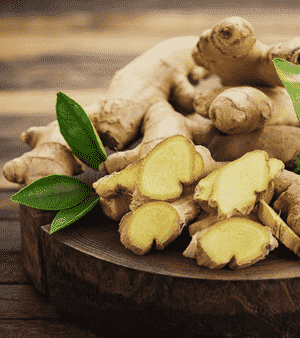
For ginger, the ideal period for relocation is the agreeable interval spanning from late spring to early summer. Select a spot offering dappled sunlight and soil that drains effectively for optimal outcomes. Bear in mind, a delicate approach is crucial when manipulating ginger rhizomes throughout the transplanting procedure.
What Preparations are Needed Before Transplanting Ginger?
What is the Ideal Time for Transplanting Ginger?
For ginger, the optimal period for relocation falls between late spring and early summer. This timeframe provides the plant with a strong start, allowing it to produce beautiful blooms. Planting ginger during this season can lead to not only lush foliage but also a profusion of fragrant flowers. Therefore, ensure your ginger is established in the garden during this season for a long and rewarding plant life.
How Much Space Should You Leave Between Ginger Plants?
When moving ginger, it's best to position them approximately 12 inches (30 cm) apart. This provides ample room for growth and helps prevent overcrowding, ensuring your plants remain robust and thriving.
What is the Best Soil Mix for Ginger Transplanting?
For ginger, it's crucial to have well-draining, loamy soil with a slightly acidic pH (6.0-6.5). A good method to prepare the soil involves incorporating a blend of compost, aged manure, and balanced granular fertilizer to supply essential nutrients.
Where Should You Relocate Your Ginger?
Select a site that receives at least 6 hours of direct sunlight daily for ginger to flourish. However, in very hot climates, consider a location that offers some afternoon shade to shield your ginger from intense heat.
What Equipments Should You Prepare Before Transplantation Ginger?
Gardening gloves
To safeguard your hands while handling soil and ginger.
Garden Spade or Shovel
To carefully excavate the ginger rhizomes from their original spot without causing harm.
Watering Can
For hydrating before and immediately following transplantation.
Pruning Shears
To trim any damaged foliage or roots prior to relocation.
Trowel
To excavate the new planting hole at the transplant destination for the ginger plant.
Garden Fork
To gently loosen the soil in the newly dug hole.
Wheelbarrow or Bucket
For moving the plant to its new position.
How Do You Remove Ginger from the Soil?
How Do You Remove Ginger from the Soil?
From Ground: Start by watering the ginger plant to moisten the soil. Use a spade or shovel to dig a wide trench around the plant, ensuring the root ball (rhizome cluster for ginger) stays intact. Carefully work the spade beneath the root ball and lift the plant from the ground.From Pot: Thoroughly water the plant to loosen the soil. Turn the pot on its side and gently squeeze or tap it to free the soil. Then, carefully extract the root ball from the pot, taking care not to damage the rhizomes. If the ginger plant resists, it might be root-bound, and you may need to break the pot if necessary.From Seedling Tray: Water the ginger seedlings thoroughly, wait a few moments, and use a small trowel or spoon to scoop out each seedling, starting from their edges. Be gentle and try not to harm the delicate emerging roots.
Step-by-Step Guide for Transplanting Ginger
Preparation
Clear the new site of any weeds or debris. Use a garden fork to loosen the soil and improve aeration.
Digging
Using a trowel, dig a hole equal to the depth and twice the width of the ginger plant's root ball you are transplanting.
Placing
Position the ginger plant in the hole. The top of the root ball should be level with the soil surface. Avoid planting it too deeply as rhizomes require air exposure. Ensure the buds on the rhizomes are facing upwards.
Backfilling
Carefully refill the hole, making sure the plant isn't disturbed and the rhizomes are well covered.
Watering
Water the ginger plant immediately after transplanting. This helps settle the soil around the plant roots and reduces transplant shock.
How Do You Care For Ginger After Transplanting?
Watering
Ensure the soil remains consistently moist around the ginger plant for the initial weeks following transplantation. Be cautious not to overwater, as this can lead to root rot.
Pruning
Observe the plant closely and remove any yellow or withered leaves to encourage healthy development.
Inspection
Regularly examine the rhizomes for any indications of disease or pests. Early detection of potential problems will give your ginger the best chance to thrive in its new location.
Troubleshooting Common Issues with Ginger Transplantation.
What is the best time to transplant ginger?
The ideal period to move ginger is from late spring to early summer, when the plant is actively growing.
What is the recommended distance between ginger plants?
To ensure robust growth, maintain at least 12 inches (30.5 cm) of space between your ginger plants.
What should I do if my transplant ginger is wilting?
First, check the moisture level. Ginger requires consistent hydration. If the soil feels dry, your plant needs water. However, avoid overwatering!
Why isn't my transplanted ginger growing?
Ginger prefers rich, well-draining soil. Ensure your soil is fertile and not waterlogged. If not, consider adding organic compost.
My ginger has yellowing leaves after transplanting. What should I do?
Yellowing leaves could indicate insufficient watering or a lack of nutrients. Check the moisture level and consider a slow-release fertilizer.
Should I water ginger right after transplanting?
Yes, after relocating ginger, water it thoroughly. This will help settle the soil around the root ball and aid in quick establishment.
The transplanted ginger looks weak. Is there anything I can do?
Ensure your ginger receives adequate sunlight and nutrients. Consider using a trellis or stake for support until the plant gains strength.
Can ginger be transplanted in containers?
Absolutely, ginger flourishes in containers. Ensure there's proper drainage and the container is large enough for the plant's root system.
The transplanted ginger seems to have pests. How do I address this?
Try organic pest control methods – a homemade soap solution often works effectively. If the issue persists, consider a commercial pesticide.
Do I need to prune ginger after transplanting?
Ginger typically doesn't require pruning. Simply remove any brown or yellowing leaves to maintain its fresh and healthy appearance.



