How to Transplant Japanese zelkova?
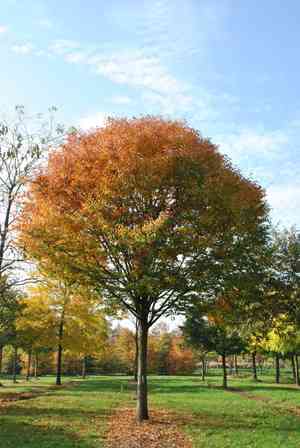
The ideal period for relocating japanese zelkova spans from the beginning of summer to its midpoint, providing ample time for root establishment prior to the colder season. Select a site offering full sun to partial shade, featuring soil that drains effectively. Carefully loosen the root mass during transplantation to encourage robust development.
What Preparations are Needed Before Transplanting Japanese Zelkova?
What is the Ideal Time for Transplanting Japanese Zelkova?
The optimal period to relocate japanese zelkova is early to mid-summer. Why? The warmth enables these Perennials to firmly establish their roots in the new soil. Moving japanese zelkova during these times ensures robust, healthy development. It's a vital preliminary step to prepare this tree for its best survival.
How Much Space Should You Leave Between Japanese Zelkova Plants?
When relocating your japanese zelkova, it's crucial to provide ample room for growth. Position them approximately 25-30 ft (7.6-9 m) apart for optimal development.
What is the Best Soil Mix for Japanese Zelkova Transplanting?
Prepare the new site for your japanese zelkova with soil that drains well and is rich in organic matter. Incorporate some compost and a slow-release granular fertilizer to provide a nutrient-dense foundation.
Where Should You Relocate Your Japanese Zelkova?
Select a new location for your japanese zelkova that receives full sun to partial shade. They will flourish in an area with 6-8 hours of daily sunlight.
What Equipments Should You Prepare Before Transplantation Japanese Zelkova?
Garden Spade
For excavating the planting hole and extracting japanese zelkova from its original spot.
Gardening Gloves
To safeguard your hands while handling the japanese zelkova and soil.
Watering Can
Moisten the japanese zelkova before removal and after replanting to keep the roots hydrated.
Wheelbarrow
For moving japanese zelkova from its initial position to the new site.
Gardening Pruners
Needed for trimming any damaged roots on the japanese zelkova.
Bubble Level
To verify the hole's evenness before placing the japanese zelkova.
How Do You Remove Japanese Zelkova from the Soil?
How Do You Remove Japanese Zelkova from the Soil?
From Ground: Begin by hydrating the japanese zelkova to slightly moisten the soil, which will help keep the root ball intact. Use a garden spade to dig a trench around the japanese zelkova, maintaining a distance from the trunk to avoid cutting into the root ball. Then, gently leverage the spade beneath the root system to lift the japanese zelkova.From Pot: First, water the japanese zelkova to minimize root stress. Turn the pot on its side, hold gently across the base, and tap the rim sharply on a firm surface, such as a potting bench, to loosen the soil and release the plant.From Seedling Tray: Water the japanese zelkova, then invert the tray while holding your hand or a flat plant-label stick over the root area. Press the bottom of each cell to release the plant, ensuring minimal root disturbance.
Step-by-Step Guide for Transplanting Japanese Zelkova
Pre-Preparation
Start by thoroughly watering the japanese zelkova at its current location for easier removal. If it's in a container, water until liquid exits the drainage hole.
Digging the Hole
Excavate a hole at the new site; it should be twice as wide as the root ball but no deeper than its height. The hole's base should be flat, not sloped. Confirm with a bubble level.
Positioning the Plant
Place the japanese zelkova in the center of the hole. The top of the root ball should be level with or slightly above the surrounding soil.
Backfilling the Hole
Gently refill the hole with the excavated soil. Lightly pat the soil around the base of the japanese zelkova to support it upright and eliminate any air pockets.
Watering
Water deeply after planting to settle the soil around the roots and initiate the recovery process.
How Do You Care For Japanese Zelkova After Transplanting?
Regular Watering
Remember to keep the soil consistently moist, using the watering can, for several weeks after transplanting as roots establish themselves in the new ground.
Pruning
Use gardening pruners to remove any broken or damaged branches if present. Unnecessary branches divert nutrients from the rest of the plant.
Mulching
Applying a layer of organic mulch around the japanese zelkova, without touching its trunk, helps retain soil moisture and regulate temperature.
Observing
Watch for any indications of transplant shock, such as wilting, yellowed foliage, or a lack of new growth.
Troubleshooting Common Issues with Japanese Zelkova Transplantation.
What's the best time of the year to transplant japanese zelkova?
The optimal period to move japanese zelkova is from the beginning to the middle of summer. This season offers suitable weather that supports quick recovery and growth.
Can you offer some guidance on spacing while transplanting japanese zelkova?
Ensuring ample room is crucial. Maintain a distance of approximately 25-30 feet (7.6-9.1 meters). This provides space for your japanese zelkova to develop and thrive.
What is the advisable soil condition for transplanting japanese zelkova?
Japanese zelkova prefers well-draining soil. Although it tolerates various soil types, ensuring adequate drainage is essential to prevent waterlogging and associated diseases.
What are the crucial steps to follow while transplanting japanese zelkova?
Begin by preparing a generously sized hole, transfer the seedling carefully, trying not to damage the roots. Next, cover with soil and water thoroughly. After transplantation, irrigate regularly.
How to prevent root damage during transplantation?
Minimize root disturbance when moving japanese zelkova. Try to keep as much of the original soil around the roots during transplantation; this will enhance the plant's establishment post-transplant.
Is there any particular depth the japanese zelkova should be transplanted at?
The hole should ideally be twice as wide and equal in depth to the root ball. This ensures the roots of japanese zelkova have sufficient area to spread and grow.
How often should I water the japanese zelkova after transplantation?
For the initial few weeks after relocating japanese zelkova, consistent watering is vital. Water deeply to ensure moisture reaches the entire root system, but avoid overwatering.
What are the signs that my transplanted japanese zelkova is healthy and adapting well?
New growth on the japanese zelkova indicates it's adapting well post-transplant. However, be patient, as this process might take several weeks to begin.
What care measures should one take after transplanting japanese zelkova?
Regularly check the plant's moisture levels and health, water appropriately, and apply mulch around the base to retain moisture. Also, pruning is not recommended immediately after transplant.
What precautions should I take while transplanting japanese zelkova to protect myself?
Always wear gloves to protect your hands, sturdy shoes for foot protection, and use appropriate tools for digging and moving the plant to prevent injuries.



