How to Transplant Caucasian elm?
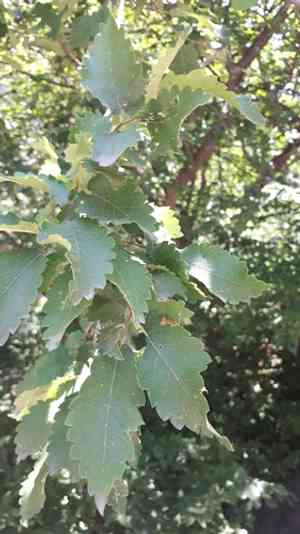
Caucasian elm flourishes most effectively when relocated in the initial to middle periods of spring or autumn, owing to consistent temperatures and sufficient hydration. Select a site that receives full sun or partial shade, featuring soil that drains efficiently, for peak performance.
What Preparations are Needed Before Transplanting Caucasian Elm?
What is the Ideal Time for Transplanting Caucasian Elm?
The best time to move caucasian elm is during early to late spring or early to late autumn. These periods offer mild temperatures and sufficient moisture, fostering robust root development. In spring, new growth aids root establishment, while fall's cooler weather lessens transplant shock. This timing ensures caucasian elm adapts well, boosting its resilience and long-term vitality.
How Much Space Should You Leave Between Caucasian Elm Plants?
Ensure caucasian elm are planted 20-30 feet apart (6-9 meters) to allow ample room for growth. This spacing guarantees each plant has sufficient area for its roots and branches to flourish without competing with adjacent plants.
What is the Best Soil Mix for Caucasian Elm Transplanting?
Prepare the soil by ensuring it drains well and is rich in organic material. A good foundational fertilizer with a balanced formula like 10-10-10 (NPK) will help give your caucasian elm a strong start. Compost or aged manure can also be mixed into the soil for additional nutrients.
Where Should You Relocate Your Caucasian Elm?
Select a location for transplanting your caucasian elm that receives full sun to partial shade. Ideally, the site should get at least 6 hours of sunlight daily. This will ensure the plant receives enough light to grow strong and healthy.
What Equipments Should You Prepare Before Transplantation Caucasian Elm?
Gardening Gloves
To safeguard your hands while handling soil and plants.
Shovel or Spade
Crucial for digging and lifting caucasian elm from its original spot.
Trowel
Useful for working in confined spaces or making minor adjustments during transplanting.
Pruning Shears
To trim any damaged or dead roots or branches prior to planting.
Bucket
To transport water for moistening the soil and the root ball.
Watering Can
For precise irrigation of the plant after it has been transplanted.
Mulch
Helps maintain soil moisture and protect the plant's root system.
How Do You Remove Caucasian Elm from the Soil?
How Do You Remove Caucasian Elm from the Soil?
From Ground: First, hydrate the caucasian elm plant to moisten the soil. Then, excavate a wide trench around the plant using a shovel or spade, ensuring the plant's root ball remains intact. Carefully work the spade beneath the root ball to lift the plant from its initial position.From Pot: Water the caucasian elm plant thoroughly a few hours before extracting it from the container. Gently invert the pot while supporting the plant with your hand and tap the bottom of the pot to release the root ball. If the plant resists, squeeze the pot sides or carefully slide a trowel around the edges.From Seedling Tray: Water the caucasian elm seedlings to dampen the soil. Use a trowel or your fingers to gently lift the seedlings from the tray, taking care to keep the roots and soil undisturbed. Handle the seedlings by their leaves to avoid harming the delicate stems.
Step-by-Step Guide for Transplanting Caucasian Elm
Prepare the New Site
Dig a hole that is twice the width of the root ball and equally deep. This provides the roots ample room to spread and ensures the plant sits at the correct level.
Amend the Soil
If necessary, mix compost or organic material into the soil to enhance aeration and nutrient content.
Place caucasian elm in the Hole
Position the caucasian elm in the hole so that the top of the root ball is flush with the ground surface. Make adjustments as needed, removing or adding soil until the plant is correctly situated.
Fill the Hole
Backfill the hole with the soil you removed, gently tamping it down to eliminate air pockets. Be careful not to harm the roots while doing this.
Water Thoroughly
Water the caucasian elm immediately after planting to help settle the soil around the roots. Ensure the water penetrates to the depth of the root ball.
Apply Mulch
Spread a layer of mulch around the base of the plant to help retain moisture, regulate soil temperature, and suppress weeds.
How Do You Care For Caucasian Elm After Transplanting?
Watering
Keep the soil around the caucasian elm consistently moist, but not waterlogged, for the initial weeks after transplanting to aid in establishing strong roots.
Monitoring
Observe for indications of transplant shock, such as wilting or yellowing leaves, and respond with appropriate watering and care.
Mulching
Ensure the mulch remains a few inches away from the trunk to prevent rot and pests.
Protection
Consider installing a temporary shade cloth if the caucasian elm is in a particularly sunny or exposed location until it adapts.
Troubleshooting Common Issues with Caucasian Elm Transplantation.
When is the best time to transplant caucasian elm?
The ideal period to transplant caucasian elm is from early spring to late spring or early fall to late fall.
How far apart should I plant caucasian elm?
Optimal spacing for caucasian elm should be 20-30 feet (6-9 meters) apart.
What type of soil is best for caucasian elm?
Caucasian elm thrives in well-drained, loamy soil with a slightly acidic to neutral pH.
How much sunlight does caucasian elm need?
Caucasian elm prefers full sun but can tolerate partial shade.
Should I prune caucasian elm before transplanting?
Yes, prune dead or damaged branches to reduce transplant shock and encourage healthy growth.
How much water does caucasian elm need after transplanting?
Water caucasian elm deeply and regularly for the first few months until it establishes roots.
How deep should the hole be for caucasian elm?
Dig a hole twice the width and the same depth as the root ball of caucasian elm.
Do I need to fertilize caucasian elm after transplanting?
Fertilizing is not necessary immediately after transplanting caucasian elm, but compost can help soil health.
Can I transplant caucasian elm during hot summer?
Avoid transplanting caucasian elm in hot summer to prevent stress and increase survival chances.
Will mulching help caucasian elm after transplanting?
Yes, mulching helps retain moisture, regulates temperature, and reduces weed competition for caucasian elm.



