How to Transplant Maize?
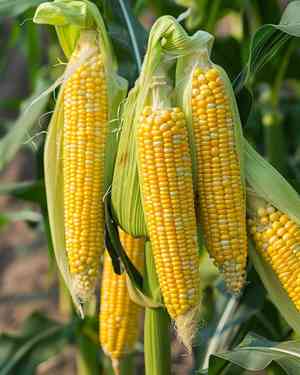
Relocating maize is most effectively carried out in the initial summer period once the ground temperature has risen. Select a bright spot with soil that drains efficiently to guarantee favorable outcomes. Should it be necessary, enrich the soil prior to transplanting for peak performance. Enjoy your gardening endeavors!
What Preparations are Needed Before Transplanting Maize?
What is the Ideal Time for Transplanting Maize?
The optimal period to relocate maize is when temperatures rise in early summer. This season offers conditions most favorable for maize development. Repositioning at this time will encourage robust growth. Moving maize now allows it to benefit from extended daylight, maximizing photosynthesis. Provide your maize with this chance for the best possible start!
How Much Space Should You Leave Between Maize Plants?
To allow your maize ample room to grow, position plants 8-12 inches (20-30 cm) apart during transplanting. This spacing ensures adequate room for strong root systems and proper air circulation among the plants.
What is the Best Soil Mix for Maize Transplanting?
Prepare the ground for your maize using a well-draining, loamy soil rich in organic matter. Incorporate a balanced, slow-release granular fertilizer, such as 10-10-10, to supply essential nutrients for healthy development.
Where Should You Relocate Your Maize?
Select a site that receives abundant sunlight for your maize â at least 6 hours of direct sun daily. This will enable your plants to grow vigorously and yield a good harvest, while avoiding shade that could impede growth.
What Equipments Should You Prepare Before Transplantation Maize?
Gardening gloves
To safeguard your hands while digging and handling maize seedlings.
Garden trowel
For excavating small holes for your maize plants.
Shovel
Utilized for digging larger transplant holes and assisting in mixing compost with the existing soil.
Watering can or hose
It is essential to irrigate your maize immediately after transplanting.
Compost or organic matter
To enrich and condition the soil prior to transplanting.
How Do You Remove Maize from the Soil?
How Do You Remove Maize from the Soil?
From Seedling Tray: First, lightly water the maize seedlings to facilitate their removal. Then, gently press the bottom of the seedling tray to release the young plants or use a pencil to lift them from the soil. Always handle seedlings by their leaves to prevent damage.From Pot: For potted maize, water thoroughly before removal. Tilt the pot sideways and gently tap it to free the plant and soil. Remember to handle the plant carefully, holding it by the root ball, not the stem or foliage.From Field/ Ground: Water the row of maize intended for transplanting. Insert a trowel or shovel into the soil at a distance from the base of the maize plant to avoid root damage. Pry upwards to lift the plant, then carefully extract it from the ground.
Step-by-Step Guide for Transplanting Maize
Site Preparation
Clear the area of weeds and any debris. Amend the soil by incorporating compost or other organic material for improved maize growth.
Hole Digging
Using a trowel or shovel, excavate a hole twice as wide and approximately the same depth as the maize's root ball.
Planting
Carefully position the maize in the hole, ensuring the root ball is level with or slightly deeper than the surrounding soil. Backfill the hole with soil, pressing gently to eliminate air pockets.
Watering
Once planted, water your maize immediately to help settle the roots and the surrounding soil.
How Do You Care For Maize After Transplanting?
Watering
Maintain soil moisture levels appropriate for maize development. Consistent watering is crucial for the initial two weeks post-transplant.
Monitoring
Watch for signs of shock like wilting or yellowing. If your maize exhibits these symptoms, ensure adequate watering, but avoid over-saturation. Also, be vigilant for any pest infestations.
Thinning
If maize plants are too close, consider thinning them. Excessive proximity can lead to competition for resources and stunted growth. Remove smaller, weaker plants to provide the strongest ones room to thrive.
Feeding
A few weeks after transplanting, consider applying an appropriate feed to your maize to encourage vigorous growth.
Troubleshooting Common Issues with Maize Transplantation.
What's the preferable time to transplant maize?
Maize experiences its best growth rate during early summer when temperatures naturally increase.
How far should maize be spaced during transplantation?
Ideally, maintain a distance of 8-12 inches (20-30 cm) between your maize plants to ensure optimal development.
How deep should I plant maize seedlings during transplantation?
Plant maize seedlings about 1-2 inches (2.5-5 cm) deep in the soil to ensure their firm establishment.
Are there special soil needs for effective transplantation of maize?
Maize prefers well-drained, fertile soil for healthy growth. Ensure the soil is neither too sandy nor too clayey.
What happens if my maize is wilting after transplanting?
Wilting may be due to transplant shock or dehydration. Water the maize regularly, but avoid overwatering as it can cause root rot.
My maize has yellow leaves after transplanting, what's the reason?
Yellow leaves could indicate a nutrient deficiency, most likely nitrogen. Consider applying a balanced plant fertilizer.
How often should I water maize after transplanting?
Maize requires consistent irrigation, especially in its early stages. Water once a week or more frequently in hot conditions.
Does maize require any special care after transplantation?
Maize thrives in sunlight. Ensure it receives sufficient daytime light and remain alert for pests that could harm the plant's growth.
Why isn't my maize growing after I transplanted it?
Poor growth could stem from insufficient sunlight, improper watering, poor soil conditions, or pests. Evaluate and rectify these issues as needed.
Can I transplant maize to a bigger pot indoors?
Yes, you can. Ensure the pot has ample soil and is placed in a sun-drenched area as maize loves sunlight.



