How to Transplant Chinese prickly ash?
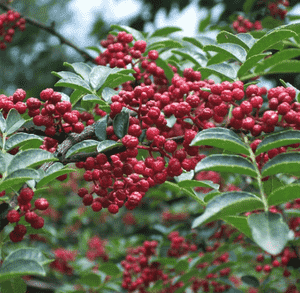
For Chinese prickly ash, the period spanning from the end of spring to the beginning of summer presents the ideal window for relocation, capitalizing on peak growth circumstances. Select a bright spot with soil that drains effectively for its new environment, enhancing successful establishment with careful irrigation following the move.
What Preparations are Needed Before Transplanting Chinese Prickly Ash?
What is the Ideal Time for Transplanting Chinese Prickly Ash?
The most favorable period for relocating chinese prickly ash is when the cold of spring transitions to its milder successor, moving into early summer. This timing allows chinese prickly ash to firmly settle in the warming earth, fostering strong root development before the height of summer. Transplant during this window to take advantage of rising temperatures and balanced rainfall, which supports chinese prickly ash's growth, aiding in recovery from the move while avoiding the stress of midsummer heat. Adopting a supportive approach during this crucial growth phase not only speeds up establishment but ensures chinese prickly ash thrives for seasons to come.
How Much Space Should You Leave Between Chinese Prickly Ash Plants?
When you're ready to introduce chinese prickly ash, aim to provide each plant ample room by spacing them 8-10 feet (2.4-3 meters) apart. This helps ensure they'll flourish and not compete for resources as they mature.
What is the Best Soil Mix for Chinese Prickly Ash Transplanting?
For a thriving chinese prickly ash, prepare a location with well-draining soil, enriched with organic compost. A balanced slow-release fertilizer will create the perfect conditions for healthy growth. Get ready to witness some botanical wonders in your garden!
Where Should You Relocate Your Chinese Prickly Ash?
Choose a sunny spot for your chinese prickly ash that receives abundant sunlight. This will ensure your spiky companion gets the warmth and light it needs to flourish. Ideal for a beginner gardener's bright sanctuary!
What Equipments Should You Prepare Before Transplantation Chinese Prickly Ash?
Gardening Gloves
To safeguard your hands while handling soil and chinese prickly ash.
Shovel or Spade
To excavate around and lift the chinese prickly ash from its initial position.
Garden Fork
To loosen the soil surrounding the chinese prickly ash without harming root structures.
Pruning Shears
To trim away any dead or damaged roots prior to transplanting.
Watering Can or Hose
To hydrate the chinese prickly ash before and after its relocation.
Wheelbarrow or Tarp
To move the chinese prickly ash from one spot to another without causing damage.
Staking Materials
To provide support for the chinese prickly ash in its new location if needed.
How Do You Remove Chinese Prickly Ash from the Soil?
How Do You Remove Chinese Prickly Ash from the Soil?
From Ground: Start by watering the chinese prickly ash to make the soil easier to manage. Carefully dig a wide circle around the chinese prickly ash with your shovel or spade to avoid damaging the root ball. Once you've created enough space, use the garden fork to gently lift the chinese prickly ash, keeping the root ball as intact as possible.From Pot: Begin by watering the chinese prickly ash, which will facilitate the removal process. Tilt the pot to the side, gently tapping and squeezing the sides, if flexible, to help the root ball slide out. If the chinese prickly ash is resistant, you may need to carefully run a knife or spade between the pot and the soil to aid in its release.From Seedling Tray: Moisten the soil to minimize root disturbance. Use a spoon or a small gardening tool to carefully pry the chinese prickly ash seedling from its cell, ensuring to retain as much of the root and surrounding soil as possible for a smooth transition.
Step-by-Step Guide for Transplanting Chinese Prickly Ash
Prepare the New Site
Prepare the new area by loosening the soil and creating a hole large enough to comfortably accommodate the chinese prickly ash's root ball.
Inspect Roots
Gently examine the root ball of the chinese prickly ash to remove any damaged roots with pruning shears and to encourage outward growth.
Placing chinese prickly ash
Carefully position the chinese prickly ash in the center of the hole. The top of the root ball should be level with the surrounding soil surface.
Refill Hole
Backfill the hole around the chinese prickly ash's root ball with soil, gently firming it down to eliminate air pockets.
Water Deeply
Water the chinese prickly ash thoroughly to help settle the soil and provide essential moisture for the roots.
How Do You Care For Chinese Prickly Ash After Transplanting?
Mulching
Apply a layer of mulch around the base of the chinese prickly ash to help regulate soil temperature and moisture levels.
Checking Stakes
If stakes are utilized, ensure they are secure but not overly tight to allow natural growth and movement of the chinese prickly ash.
Observation
Keep a close watch on the chinese prickly ash for signs of stress or dehydration and respond appropriately with care.
Troubleshooting Common Issues with Chinese Prickly Ash Transplantation.
When is the best time to transplant chinese prickly ash?
The optimal period for transplanting chinese prickly ash is from late spring to early summer, promoting ideal root establishment.
How far apart should I plant chinese prickly ash?
Ensure each chinese prickly ash has ample room, ideally positioned 8-10 feet (2.4-3 meters) apart to accommodate mature growth.
Why are my chinese prickly ash seedlings wilting after transplant?
Wilting after transplant could indicate root stress, insufficient water, or shock. Ensure gentle handling and proper hydration.
How deep should I plant chinese prickly ash roots?
The root ball of chinese prickly ash should be comfortably placed in a hole twice its width and the same depth.
What sun exposure is suitable for chinese prickly ash after transplanting?
After transplanting, position chinese prickly ash in a location with full to partial sunlight to encourage vigorous growth.
How much should I water chinese prickly ash after transplanting?
Water generously immediately after transplanting, then establish a routine ensuring the soil remains consistently moist but not waterlogged.
Can I transplant chinese prickly ash on a hot day?
Transplanting on hot days can significantly stress chinese prickly ash. Aim for cooler, overcast conditions or transplant during morning or evening hours.
How do I prepare the soil for chinese prickly ash before transplanting?
Enrich the soil with compost or well-rotted manure, ensuring a nutrient-rich and well-draining environment for chinese prickly ash.
Should I add mulch after transplanting chinese prickly ash?
Mulching helps retain soil moisture and regulate temperature. Apply an organic mulch layer around chinese prickly ash, but avoid stem contact.
What size transplant hole is needed for chinese prickly ash?
Dig a hole that's generously spacious for the root systemâabout twice the root ball's radius and precisely its depth.



