How to Transplant Cardboard palm?
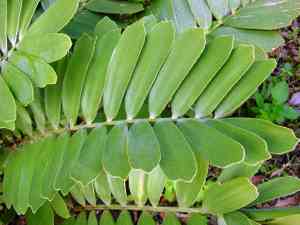
The ideal period for relocating your cardboard palm is throughout the warmer months, generally from late spring to the middle of summer. Select a spot featuring soil that drains effectively and receives filtered sunlight. During the transplanting process, carefully manage the root system and position the plant at its original depth. Enjoy your gardening!
What Preparations are Needed Before Transplanting Cardboard Palm?
What is the Ideal Time for Transplanting Cardboard Palm?
The optimal period to relocate your cardboard palm is during the pleasant days from late spring through mid-summer. This timeframe provides the perfect conditions for the cardboard palm's recovery and rapid development. Utilizing this season can result in a flourishing, healthy cardboard palm, with the warm weather and consistent rainfall nurturing the plant after its move. So, why delay? Begin your transplanting preparations and give your plant a revitalizing start this season.
How Much Space Should You Leave Between Cardboard Palm Plants?
To allow your cardboard palm ample room to develop, maintain a separation of approximately 5-6 ft (1.5-1.8 m) between them. This ensures they have sufficient area to thrive and expand their attractive foliage.
What is the Best Soil Mix for Cardboard Palm Transplanting?
Prepare a soil mixture for your cardboard palm that drains well and is rich in organic material. Incorporating compost or peat moss can enhance soil quality. Add a slow-release granular fertilizer as a base to provide your plant with a robust beginning.
Where Should You Relocate Your Cardboard Palm?
Select a spot for your cardboard palm that receives partial to full sunlight, ideally 4-6 hours of sun daily. Excessive direct sunlight can scorch the leaves, so avoid placing it in an area with intense afternoon sun.
What Equipments Should You Prepare Before Transplantation Cardboard Palm?
Gardening Gloves
Shield your hands while handling soil and any sharp parts of the plant.
Shovel or Spade
Essential for excavating holes and extracting the plant from its initial position.
Watering Can or Hose
To supply the plant with adequate moisture both before and after the relocation.
Wheelbarrow
To aid in moving the plant from its original spot to its new home, especially if it's a larger specimen.
Gardening Knife
Useful for minor root trimming if required.
Organic Mulch
To safeguard the cardboard palm's roots from extreme temperatures and prevent moisture loss.
How Do You Remove Cardboard Palm from the Soil?
How Do You Remove Cardboard Palm from the Soil?
From Ground: First, moisten the soil around the cardboard palm to facilitate digging. Using a spade, excavate a wide and deep trench around the plant, keeping the root system intact. Carefully push the spade beneath the root ball to lift the cardboard palm from the ground.From Pot: If the cardboard palm is grown in a pot, watering it beforehand can assist in its removal. Tilt the pot sideways and gently ease the plant out, handling it by the root ball, not by the stems or leaves.From Seedling Tray: For young cardboard palm plants or sprouts in a seedling tray, moisten the soil and carefully extract the plant with a spoon or similar tool, again being cautious not to harm the roots.
Step-by-Step Guide for Transplanting Cardboard Palm
Digging Hole
Excavate a hole in the new location that is approximately twice as wide and the same depth as the cardboard palm's root ball. The broad hole will allow the roots space to spread and establish in the new spot.
Placing Plant
Position the cardboard palm in the hole, ensuring the top of the root ball is level with the ground. Avoid planting too deeply as this could lead to rot.
Backfilling
Gradually refill the hole with the excavated soil, gently firming it around the root ball as you proceed to eliminate any air pockets.
Watering
Once the cardboard palm is situated and the hole is refilled, thoroughly water the area.
Mulching
Apply a layer of mulch around the base of the cardboard palm to protect the roots and help the soil retain moisture.
How Do You Care For Cardboard Palm After Transplanting?
Watering
The cardboard palm should be watered just enough to keep the soil moist, but not waterlogged. Overwatering can cause root rot and other issues.
Monitoring
For the initial few weeks, closely observe your cardboard palm. Signs of stress, such as yellowing or dropping leaves, might indicate the plant is not adapting well to its new environment. If this occurs, consult a garden expert or local nursery.
Protection
Shield your newly transplanted cardboard palm from harsh weather elements, such as strong winds and excessive sun or heat, during its initial establishment period.
Troubleshooting Common Issues with Cardboard Palm Transplantation.
What's the best time of year to transplant cardboard palm?
The optimal season for transplanting cardboard palm is from late spring to mid-summer.
What spacing should I keep when planting cardboard palm?
Ensure you provide ample room for cardboard palm to grow. Keep them 5-6 ft (1.5-1.8 meters) apart.
Should I water cardboard palm immediately after transplant?
Yes, watering cardboard palm right after transplant helps to settle the plant and reduces shock. However, don't overwater.
What kind of soil conditions does cardboard palm require?
Cardboard palm prefers well-draining soil with a moderate to low nutrient content. It can also tolerate sandy soil.
How much sunlight does cardboard palm need post-transplant?
Cardboard palm ideally needs a spot with partial shade to full sunlight after transplantation, but it should be acclimatized gradually.
How often should I water the cardboard palm post-transplantation?
Water cardboard palm moderately only when you notice the top 1 inch (2.5 centimeters) of soil has dried out.
What if cardboard palm exhibits yellow leaves after transplanting?
Yellow leaves may indicate water stress or nutrient deficiency. Adjust watering and perhaps consider suitable fertilizer.
Does the cardboard palm require regular pruning post-transplant?
Cardboard palm does need occasional grooming, mainly to remove dead leaves and encourage bushy growth. Protect the plant's core while pruning.
What type of pot or container is suitable for transplanting cardboard palm?
A pot with good drainage is paramount. Cardboard palm grows well in large, shallow containers, which help root growth.
How soon should I fertilize cardboard palm after transplantation?
Wait at least a month after transplanting before introducing a slow-release fertilizer. Cardboard palm does not require highly nutritious soil.



