How to Transplant Strawflower?
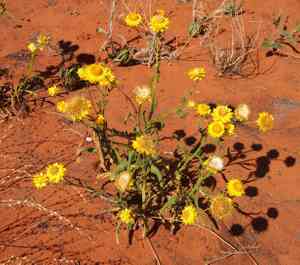
Relocate strawflower during the beautiful period from early spring to late autumn for peak development. Select a bright spot with soil that drains effectively. Carefully untangle its root system prior to moving, and ensure continuous attention throughout its development. Enjoy your transplanting!
Necessary Preparations Before Moving Strawflower?
When is the Best Time to Relocate Strawflower?
For strawflower, the prime relocation period extends from early spring to late autumn. Moving them during this season promotes successful establishment due to the gradually warming earth. This timeframe offers your strawflower ideal growing conditions, ensuring a beautiful display year-round.
How Much Space Should Be Between Strawflower Plants?
When relocating strawflower, ensure a spacing of approximately 12-15 inches (30-38 cm) between them. This provides ample room for each plant to develop and thrive.
What is the Optimal Soil Blend for Strawflower Relocation?
To prepare the soil for your strawflower, select a well-draining mix and incorporate a slow-release, balanced fertilizer. This aids in the development of robust root systems and supports vigorous growth.
Where Should You Replant Your Strawflower?
For peak growth, choose a spot with full sun or partial shade for your strawflower. They will benefit from at least 6 hours of direct sunlight daily.
Equipment Needed Before Transplanting Strawflower?
Gardening Gloves
To protect your hands while working with soil and plants.
Spade or Shovel
To assist in digging the ground and moving the plant.
Gardening Trowel
To aid in extracting the plant from its original spot without harming the roots.
Watering Can
To provide moisture to the plant as needed.
Mulch
To offer extra protection and nutrients to the plant post-transplantation.
Planting Pots (optional)
If you are moving the plant from a container to the ground.
How to Extract Strawflower from the Soil?
How to Extract Strawflower from the Soil?
From Ground: First, water the strawflower plant to slightly moisten the soil. This facilitates easier removal. Using a spade or shovel, dig a wide trench around the plant, ensuring the root ball remains undisturbed. Carefully lift the plant by placing the spade beneath the root ball to remove it from its initial location.From Pot: For removal from a pot, water the pot a few hours prior to moisten the soil. Gently invert the pot and tap the bottom lightly to release the plant. Handle the plant by its root ball to prevent damage to the stem or foliage.From Seedling Tray: Ensure the soil is neither too dry nor overly wet. Use a trowel to carefully lift the seedlings, taking care not to injure their roots. Always handle seedlings by their leaves, not their stems.
Step-by-Step Guide for Relocating Strawflower
Excavating a Hole
After choosing a suitable site, dig a hole twice the size of the root ball. Ensure the hole's sides are loose to allow root penetration.
Positioning the Plant
Place the strawflower plant in the hole, making sure the top of the root ball is level with the ground. This prevents planting too deeply or too shallowly.
Refilling
Backfill the hole with the previously removed soil, gently firming it around the plant's base to eliminate air pockets.
Irrigation
Once the plant is in place, provide a generous amount of water until the soil is thoroughly moist.
Post-Transplantation Care for Strawflower
Watering
Ensure the strawflower plant receives moderate watering, keeping the soil moist but not waterlogged.
Mulching
Apply a layer of organic mulch around the plant, but keep it away from the stem to prevent rot. Mulch helps keep the soil cool and retains moisture.
Pruning
Regularly inspect for any broken or dead branches; remove them to promote healthy growth and prevent disease spread.
Monitoring
Observe for any indications of transplant shock, such as wilting or yellowing leaves. If these signs persist, consult a local nursery or extension service.
Resolving Common Issues with Strawflower Relocation.
When is the best time to move strawflower?
The optimal period to relocate strawflower is from the start of spring to the close of fall.
What spacing should I use for strawflower after relocation?
Allow strawflower ample room to grow by maintaining a 12-15 inch (30-38cm) gap between each plant.
Why are my relocated strawflower wilting?
Wilting post-relocation might be due to shock. Keep the soil consistently moist and ensure indirect, yet bright light.
Why aren't my relocated strawflower growing?
A nutrient-rich soil is crucial. Consider adding compost or a slow-release fertilizer to stimulate growth.
How long until relocated strawflower bloom?
Strawflower needs a few weeks to adjust to its new environment. Expect blossoms within 4-6 weeks after relocation.
What if the relocated strawflower is turning yellow?
Yellowing could signal overwatering or poor drainage. Adjust watering habits, ensuring proper soil drainage.
How much sunlight does a newly relocated strawflower require?
Strawflower thrives in full sunlight but can endure partial shade. Provide 6-8 hours of daily sun for peak growth.
Do I need to enhance the soil for relocated strawflower?
Yes, enriching the soil with compost or slow-release fertilizer supplies essential nutrients for strawflower's healthy development.
How deep should I plant the relocated strawflower?
Bury strawflower's root ball just beneath the soil surface. Planting too deep could lead to stem rot.
What is the ideal watering schedule for a newly relocated strawflower?
Water strawflower thoroughly immediately after relocation. Then, maintain a consistent watering routine of once or twice weekly.



