How to Transplant Shiranji-tea?
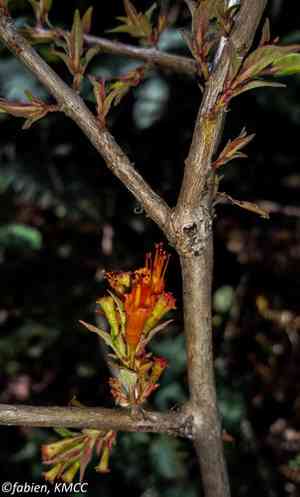
To achieve the most abundant blooms from shiranji-tea, relocate it during the revitalizing period between late spring and early summer. Select a location that receives ample sunlight and has soil that drains effectively. Careful management of the root system is crucial for the successful establishment of this perennial, which thrives in full sun.
Preparations Required Before Relocating Shiranji-tea
Optimal Period for Shiranji-tea Relocation?
The prime time for moving shiranji-tea is at the onset of vigorous growth, specifically from late spring to early summer. This timeframe provides a harmonious blend of warm soil and mild temperatures, perfect for root development and reducing transplant stress. Placing shiranji-tea in your garden during this period leverages the season's growth momentum, offering a supportive environment for roots to expand comfortably before summer's intense heat. This strategic timing capitalizes on the plant's natural growth cycle, ensuring a smooth transition and a thriving start in its new location.
Recommended Spacing Between Shiranji-tea Plants?
When relocating shiranji-tea, it's crucial to provide adequate room for expansion. Aim for a spacing of approximately 3-6 feet (1-2 meters) between plants, allowing sufficient area for their mature size.
Best Soil Blend for Shiranji-tea Relocation?
For shiranji-tea, prepare a soil mixture that drains well and is rich in organic material. Prior to planting, incorporate a balanced fertilizer to give your shiranji-tea a strong startâa 10-10-10 (NPK) blend would be appropriate.
Ideal Location for Your Shiranji-tea?
Select a sunny spot for your shiranji-tea. They flourish in areas where they can receive full to partial sunlight for at least 6 hours daily. Sufficient sun promotes robust growth and abundant flowering.
Equipment to Prepare Before Shiranji-tea Transplantation
Shovel or Spade
For excavating the plant and preparing a new planting site.
Gardening Gloves
To safeguard your hands while handling soil and plants.
Watering Can
To hydrate the plant before and after relocation to minimize stress.
Hand Trowel
For detailed work around the plant's root system and with smaller specimens.
Wheelbarrow
To transport the plant and soil without straining your back.
Pruning Shears
To trim any damaged roots or foliage.
Garden Fork
To loosen and aerate the soil surrounding the root ball.
Mulch
To aid in retaining soil moisture and regulating temperature after transplanting.
Plant Support Stakes
To offer stability to the plant if necessary, following relocation.
How to Extract Shiranji-tea from the Soil?
How to Extract Shiranji-tea from the Soil?
From Ground: First, hydrate the shiranji-tea to moisten the soil, making it easier to manage. Next, use a shovel or spade to dig a wide trench around the plant, being careful not to harm the root ball. Gently slide the spade underneath to lift the plant.From Pot: Water the shiranji-tea thoroughly. Invert the pot and tap the base to dislodge the plant. If it doesn't slide out easily, run a hand trowel along the pot's inner edge to help free the roots.From Seedling Tray: Ensure the soil is damp. Use a hand trowel or fork to carefully loosen the shiranji-tea seedling without disturbing the roots excessively. Handle the delicate plant by its root ball, not the stem or leaves.
Detailed Instructions for Transplanting Shiranji-tea
Prepare the New Location
Select an appropriate spot in the garden that meets the plantâs growth requirements. Clear the area of weeds and debris, then dig a hole twice as wide and as deep as the plant's root ball.
Prepare the Plant
Water the shiranji-tea before beginning the transplant process to ensure it is well-hydrated. Carefully remove the plant from its current spot using the methods described above, taking care to preserve the root ball.
Plant Placement
Center the shiranji-tea in the new hole. The top of the root ball should be level with the surrounding soil surface. Adjust the hole's depth if needed before positioning the plant.
Backfill
Fill in around the plant with soil, gently but firmly pressing it down to eliminate air pockets. Water the plant moderately to settle the soil and help the roots connect with their new environment.
Stabilize the Plant
If the shiranji-tea is top-heavy or in a windy area, use plant support stakes to stabilize it. Tie the plant to the stakes loosely to allow for natural movement and growth.
Mulch Application
Apply a layer of mulch around the plant's base, keeping it a few inches away from the stem to prevent rot. The mulch will help retain moisture and maintain stable temperatures.
Post-Transplanting Care for Shiranji-tea
Monitoring
Observe the shiranji-tea daily for indications of stress, such as wilting or discolored leaves, and address any issues promptly.
Staking
Regularly check the supports to ensure their effectiveness and that they are not harming the shiranji-tea. Adjust as the plant grows.
Watering
Maintain consistent moisture in the soil around the shiranji-tea for the initial weeks after transplanting. Reduce frequency as the plant becomes established.
Pruning
Remove any damaged or dead parts from the plant to direct energy towards healthy growth and minimize disease risk.
Feeding
Once the shiranji-tea shows signs of new growth, a light application of suitable fertilizer can promote healthy development, if not previously covered.
Resolving Common Issues with Shiranji-tea Transplantation.
When is the best time of year to transplant shiranji-tea?
It's ideal to move shiranji-tea during the mild warmth of late spring to early summer.
How much space should I leave between shiranji-tea when transplanting?
Allow each shiranji-tea ample room to thrive by spacing them 3 to 6 feet (1-2 meters) apart.
How deep should the hole be for transplanting shiranji-tea?
Excavate a hole that is twice the width of the root ball and of equal depth.
Why are the leaves of my transplanted shiranji-tea wilting?
Wilting may indicate transplant shock. Ensure adequate watering and initially avoid direct, intense sunlight.
Can I transplant shiranji-tea on a hot day?
It's preferable to transplant shiranji-tea on a cooler, overcast day to reduce plant stress.
How much should I water shiranji-tea after transplanting?
Water thoroughly after transplanting to settle the soil around the roots, then maintain consistent moisture levels.
What should I do if shiranji-tea isn't showing new growth post-transplant?
Be patient, as shiranji-tea may be focusing on root establishment. Confirm it's well-watered and not in overly compacted soil.
Is special soil needed when transplanting shiranji-tea?
Utilize well-draining soil enriched with organic matter to help shiranji-tea establish in its new location.
Why are my transplanted shiranji-tea leaves turning yellow?
Yellowing can signal over-watering or poor drainage. Check soil moisture and adjust accordingly.
Should the soil be fertilized when transplanting shiranji-tea?
It's not necessary immediately. After about a month, lightly fertilize to encourage growth without overwhelming the plant.



