How to Transplant American wisteria?
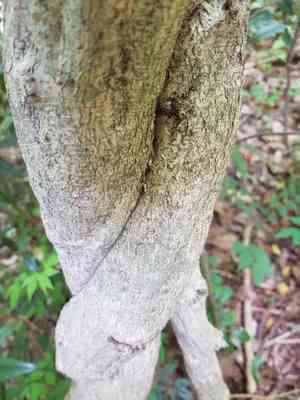
To ensure a thriving American wisteria relocation, select a period from early to late spring, as the elevated temperatures and abundant precipitation create optimal conditions. Secure a favorable spot offering full sunlight to partial shade and soil that drains effectively. Should it be required, carefully trim the roots during the transplanting process.
Necessary Preparations Before Relocating American Wisteria?
Optimal Time for Relocating American Wisteria?
Ideally, american wisteria should be moved from early spring until its conclusion. This timeframe offers the perfect balance of temperature and moisture, vital for root establishment. Relocating during this season leads to a robust and healthier american wisteria as it will have ample time to adapt before the summer heat.
Required Spacing Between American Wisteria Plants?
For relocating american wisteria, it's best to position them approximately 10-15 ft (3-4.5 m) apart. This will provide ample room for growth and ensure a healthy, flourishing plant.
Best Soil Blend for American Wisteria Relocation?
Prepare the soil with a well-draining mixture and incorporate a balanced, slow-release granular fertilizer for american wisteria to develop strongly. Aim for rich, slightly acidic to neutral soil with a pH of 6.0 - 7.0.
Where to Replant Your American Wisteria?
Select a site that offers full sun to partial shade for your american wisteria, but remember that more sunlight will lead to more abundant blooms. Avoid areas with intense afternoon sun and strong winds.
Equipment to Prepare Before Relocating American Wisteria?
Gardening Gloves
To safeguard your hands while handling the american wisteria plant and working with the soil.
Spade or Shovel
To excavate the plant from its current spot and prepare the new planting hole.
Gardening Fork
To carefully extract the plant from a container or seedling tray, minimizing root damage.
Wheelbarrow or Tarp
To transport the american wisteria plant from its original location to the new planting site.
Garden Hose or Watering Can
To hydrate the plant before and after relocation.
Mulch
To safeguard the newly relocated american wisteria and help maintain soil moisture.
Stakes or Plant Supports
Depending on the size of the american wisteria vines, you might require support to maintain its upright posture and guide its growth.
Pruners
To remove dead or damaged vines.
How to Extract American Wisteria from the Soil?
How to Extract American Wisteria from the Soil?
From Ground: Begin by thoroughly watering the american wisteria plant; moist soil lessens root stress and damage. Then, using a spade or shovel, dig a circle around the plant, going deep enough to keep the root ball intact. Carefully lift the plant from the ground ensuring minimal disturbance to the roots.From Pot: If the american wisteria is in a pot, water it beforehand. Turn the pot on its side and gently roll it, tapping to loosen the soil and roots. Gently pull on the base of the plant and slide it out of the pot. Handle with care to prevent root damage.From Seedling Tray: Before removing a american wisteria seedling, water it well. Using a gardening fork or spoon, gently pry the seedling from its cell, supporting the root ball. Handle by the leaves rather than the stem or roots to avoid damage.
Step-by-Step Guide for Relocating American Wisteria
Prepare New Location
Prepare the new spot by digging a hole twice the width and the same depth as the american wisteria root ball. This provides ample space for the roots to spread and become established.
Move Plant
Gently place the american wisteria plant into the hole, ensuring its original soil level aligns with the surrounding ground level.
Backfill Hole
Backfill the planting hole halfway with soil, water thoroughly, then fill in the remainder of the hole. Water again to settle the soil and eliminate any air pockets.
Final Touches
Apply a layer of mulch around the base of the american wisteria plant to help retain soil moisture and suppress weeds. If necessary, install stakes or plant supports to assist the plant's upright position.
Post-Relocation Care for American Wisteria?
Pruning
Once the american wisteria plant has settled into its new location, trim any dead or damaged vines to encourage healthier growth.
Watering
During the initial weeks after relocation, ensure the soil remains consistently moist, but not overly saturated.
Frost Protection
If a late frost is predicted, cover your american wisteria plant with horticultural fleece to shield it from the cold.
Monitoring
Keep a close watch on your american wisteria plant, looking for signs of disease or pest infestation, and take necessary actions if required.
Ongoing Support
Continue to train the american wisteria plant on its support as it grows. Regularly check the ties securing the plant to the support, adjusting or replacing as needed.
Troubleshooting Common Issues with American Wisteria Relocation.
When is the ideal period for relocating american wisteria?
The best time to relocate american wisteria is from early to late spring when it begins new growth.
What kind of location does american wisteria prefer?
American wisteria thrives in sun or partial shade. Aim to choose an area that offers both.
What should be the spacing between american wisteria plants?
Remember to allow sufficient room. Maintain a gap of 10-15 ft (3-4.5 meters) between each plant.
How deep should I plant american wisteria when relocating?
The hole should be twice as wide as the root ball and equally deep. After placing american wisteria, the top of the root ball should be level with the ground.
How often should I water american wisteria after relocation?
Water american wisteria thoroughly immediately after relocation. Then water regularly to keep the soil moist, but not waterlogged.
Do I need to prune american wisteria after relocating?
You can lightly prune american wisteria after relocation; this often encourages bushier development.
What kind of soil does american wisteria prefer?
American wisteria flourishes best in well-draining soil, rich in organic matter.
How can I encourage american wisteria to flower after relocating?
Use a high-phosphate fertilizer during the first season after relocation to promote blooming.
Should I mulch around the newly relocated plant?
Absolutely! Mulching reduces water loss and keeps the roots of american wisteria cool in summer and warm in winter.
What to do if the relocated american wisteria wilts or turns yellow?
Wilting or yellowing can indicate either too much or too little water. Try adjusting your watering schedule and ensure the soil drains effectively.



