How to Transplant Wine grape?
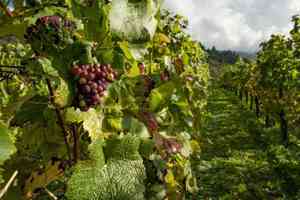
The ideal period for relocating wine grape vines spans from late spring through mid-summer, benefiting from elevated temperatures and abundant solar exposure. Select a bright spot offering well-draining earth. Bear in mind, certain transplanting suggestions are best left unsaid.
Preparations Required Before Moving Wine Grape
Optimal Period for Relocating Wine Grape?
The prime window for relocating wine grape spans from late spring to mid-summer, a time when it benefits from elevated temperatures and abundant sunlight. This duration facilitates rapid establishment and robust development, giving wine grape a strong start in its new spot.
Recommended Spacing Between Wine Grape Plants?
When relocating wine grape, ensure a separation of approximately 6-10 feet (1.8-3 meters) between them. This provides sufficient room for growth and guarantees adequate sunlight and air circulation.
Ideal Soil Blend for Wine Grape Relocation?
For wine grape, a well-drained, slightly acidic soil with a pH of 6.0-6.5 is preferable. Begin by incorporating organic materials, such as compost or aged manure, into the soil as a foundational fertilizer to enrich it and encourage healthy development.
Where to Replant Your Wine Grape?
When selecting a new site for your wine grape, choose a location that receives full sun exposure, ideally around 7-8 hours of sunlight daily. This will aid in producing a plentiful harvest and developing rich flavor.
Equipment Needed Before Relocating Wine Grape?
Gardening Gloves
To safeguard your hands while handling soil and plants.
Shovel or Spade
For excavating a hole at the new site and lifting the wine grape plant if it's being removed from the ground.
Trowel
For relocating the wine grape if it originates from a pot or seedling tray.
Pruning Shears
For any essential trimming prior to relocation.
Watering Can or Hose
To adequately hydrate the wine grape plant during and after relocation.
Soil Amendment (if necessary)
To introduce nutrients into the relocation hole for optimal growth.
How to Extract Wine Grape from the Soil?
How to Extract Wine Grape from the Soil?
- From Ground:First, moisten the wine grape plant to dampen the soil. Then, excavate a wide trench around the plant using a shovel or spade, ensuring the plant's root ball remains intact. Carefully work the spade beneath the root ball to lift the plant from its original position.- From Pot:Hydrate the wine grape plant and allow the soil to settle for a few minutes. Incline the pot on its side, then gently slide the plant out, avoiding damage to the root ball. If the plant is resistant, tap the pot to loosen the soil.- From Seedling Tray:Dampen the soil and use a small trowel to lift the seedling, taking care not to harm the roots. Hold the seedling by its leaves, not the stem, as you remove it from the tray.
Step-by-Step Guide for Relocating Wine Grape
Hole Preparation
Determine the appropriate depth and width for the hole based on the wine grape's current root ball size. The hole should be slightly larger than the root ball and of similar depth, allowing ample space for root expansion.
Soil Preparation
If required, blend additional organic matter, such as compost, with the existing soil to enhance drainage and provide essential nutrients for the wine grape's optimal development.
Plant Placement
Position the wine grape plant in the hole, aligning the top of the root ball with the surrounding soil level. Ensure the plant is correctly oriented, with its most appealing side facing outward.
Fill the Hole
Backfill the hole with the soil mixture, gently tamping it down as you proceed to eliminate air pockets and create a stable base.
Water and Settle
Thoroughly water the wine grape plant to settle the soil around the roots and establish good contact between the root ball and the soil.
Mulch
Apply a layer of mulch around the plant to help maintain consistent moisture levels and inhibit weed growth.
Post-Relocation Care for Wine Grape
Watering
Keep the soil around the wine grape consistently moist, but not waterlogged, for the initial weeks after relocation to aid in developing strong roots.
Pruning
Appropriate pruning will encourage the wine grape plant to develop a robust structure capable of supporting fruit. Remove any dead, damaged, or weak branches during the initial relocation session and continue pruning as needed throughout the growing season.
Fertilizing
Adhere to specific fertilizer guidelines for wine grape, typically applying balanced fertilizers or organic matter throughout the growing season to ensure the plant's optimal health and growth.
Pest Control
Monitor the wine grape plant for indications of pests or disease, and address any issues promptly with suitable treatments.
Resolving Common Issues with Wine Grape Relocation.
When is the best time to relocate wine grape?
The ideal period to relocate wine grape is from late spring to midsummer, ensuring warmer temperatures and proper growth.
What spacing should I consider when relocating wine grape?
Maintain a spacing of 6-10 feet (1.8-3 meters) between plants, providing ample room for growth and healthy development.
How should I prepare the soil prior to relocating wine grape?
Before relocating, enrich the soil with organic matter such as compost, aged manure, or peat moss for proper nutrients.
How deep should I dig holes for relocating wine grape?
Dig holes deep enough to comfortably accommodate the root system, ensuring the plant is well-anchored and rooted.
Should I water wine grape after relocating?
Yes, water the plant generously after relocating to establish good root-soil contact and promote healthy establishment.
What are signs wine grape is not relocated well?
Poor establishment includes wilting, yellowing leaves, slow growth, or plant decline. Address root or watering issues promptly.
How to ensure proper sunlight for wine grape after relocating?
Choose a relocation site with full sun exposure, ensuring 6-8 hours of direct sunlight for optimal growth.
Are there any pests to watch for after relocating wine grape?
Monitor for common pests such as aphids, leafhoppers, and spider mites. Implement natural or chemical treatments when necessary.
How should I maintain wine grape after relocating?
Regularly water, fertilize, and prune the plants. Implement pest control measures and ensure proper sunlight exposure.
When can I expect the first harvest after relocating wine grape?
Expect the first harvest 3-5 years after relocating, based on proper care and plant variety-specific growth rates.



