How to Transplant Riverbank grape?
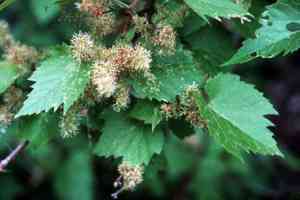
The ideal period for transplanting riverbank grape is during the mild weather of the active growth phase, which offers sufficient warmth for root development. Select a site featuring soil that drains effectively and receives either partial or full sunlight. For best results, ensure the roots remain hydrated and minimize disturbance to facilitate a seamless acclimation.
What Preparations are Needed Before Transplanting Riverbank Grape?
What is the Ideal Time for Transplanting Riverbank Grape?
For riverbank grape, the peak of its active growth period, typically, offers an optimal window for relocation. During these warmer months, plants flourish with extended daylight and generally more stable weather. By transplanting at this time, riverbank grape benefits from nature's prime nurturing conditions, ensuring strong root establishment and vigorous development. A gentle reminder to give riverbank grape a proper head start involves not just selecting this advantageous season, but also fostering early success with attentive pre-transplant care. In doing so, gardeners cultivate future green canopies while avoiding misconceptions about plant care.
How Much Space Should You Leave Between Riverbank Grape Plants?
Let's begin with spacing. Riverbank grape plants require ample room to thrive. Aim for approximately 6-8 feet (1.8-2.4 meters) between each plant. This ensures they have sufficient space for healthy development!
What is the Best Soil Mix for Riverbank Grape Transplanting?
Excellent work on spacing, now let's get the soil ready. Riverbank grape prefers well-draining soil abundant in organic matter. Incorporating compost or a balanced slow-release fertilizer a few weeks prior to planting can enrich the soil!
Where Should You Relocate Your Riverbank Grape?
Almost there! Let's choose a spot. Riverbank grape loves sunlight, so select an area in your garden that receives full sun for most of the day. This way, they'll get the light necessary for robust and healthy growth!
What Equipments Should You Prepare Before Transplantation Riverbank Grape?
Shovel
To excavate the hole where you will replant your riverbank grape.
Gardening Knife
Useful for cleanly cutting roots, if you need to divide the plant or remove any damaged roots.
Gardening Gloves
To safeguard your hands while handling soil and the plant.
Prism
This tool can support the plant upright when it's moved to its new location, especially crucial for riverbank grape as it is a climbing plant.
Wheelbarrow or garden cart
A method to transport the riverbank grape from its original spot to the new site without harming the plant or straining yourself.
Tape measure
To ensure proper spacing between plants during relocation.
Watering Can or Hose
To hydrate the soil before and after moving the plant.
How Do You Remove Riverbank Grape from the Soil?
How Do You Remove Riverbank Grape from the Soil?
From Ground: Once you're prepared to extract the riverbank grape from the ground, water it thoroughly to help minimize shock. Use your shovel to dig a circle around the plant, at least 6 inches away, to avoid damaging the root system. Systematically dig deeper to loosen the soil around the root system. Once it's loose, you can lift the plant. Be sure to scoop out the soil beneath the roots, taking the plant out with a good amount of soil still attached to the roots.From Pot: Removing a riverbank grape from a container can be quite simple. First, water the plant to make the soil and roots more pliable. Turn the pot on its side and gently pull out the plant by its base. If it doesnât come out easily, you can tap the sides or bottom of the pot to help loosen the soil and roots.From Seedling Tray: To remove a riverbank grape from a seedling tray, first water the tray to moisten the soil. Then, gently hold the plant at its base and carefully pull it out. Try to retain as much soil with the roots as possible to reduce plant stress.
Step-by-Step Guide for Transplanting Riverbank Grape
Preparation
Ensure all your tools are ready and accessible. Make sure the new site has a hole wide and deep enough for the riverbank grape's root system. The hole should be approximately twice the width and the same depth as the plantâs root system to allow ample room for expansion and growth.
Placement
Position your riverbank grape into the new hole, being careful not to plant it deeper than its original growing depth. The uppermost part of the root system should be level with, or slightly below, the ground surface.
Filling
Backfill the planting hole with the original soil, gently pressing it around the plantâs roots. Avoid packing it too tightly -- you want enough space for water to reach the roots but also for air to circulate.
Water
After planting, water the riverbank grape generously to settle the soil around the roots, filling in any air pockets.
Support
Since riverbank grape is a climbing plant, you might want to provide supports such as a trellis or stakes; gently tying the plant to these supports can aid its vertical development.
How Do You Care For Riverbank Grape After Transplanting?
Watering
The riverbank grape will require frequent watering after transplanting to establish its roots in the new location. Create a watering schedule, adjusting it based on weather conditions.
Mulching
A layer of mulch around the plant's base can help keep the soil cool, retain moisture, and inhibit weed growth.
Pruning
Itâs essential to prune the riverbank grape regularly to maintain a healthy form and size. Also, remove any dead or damaged leaves to encourage new growth.
Pest Monitoring
Keep a close watch on your riverbank grape for any indications of pests or diseases. Early detection is crucial for maintaining a healthy plant.
Troubleshooting Common Issues with Riverbank Grape Transplantation.
When is the best time to transplant riverbank grape?
The ideal period to move riverbank grape is during its dormant phase in late autumn to early winter. Happy transplanting!
What's the appropriate distance to leave between riverbank grape plants?
Ensure a gap of about 6-8 feet (1.8-2.4 meters) between each riverbank grape planting to guarantee healthy, vigorous growth.
Do transplanting techniques differ for mature and young riverbank grape?
Yes, young riverbank grape typically have a smaller root system, making them easier to transplant. For mature plants, prune the roots and branches before moving to reduce transplant stress.
What's the proper way to care for riverbank grape after transplanting?
After transplanting riverbank grape, water consistently, but ensure good drainage. Use mulch to keep the soil moist and cool. Ideally, monitor growth closely.
Why do the leaves on my transplanted riverbank grape seem wilted?
Wilted leaves could indicate transplant shock. Maintain proper watering and avoid intense sunlight exposure. The plant should recover within a few weeks.
Do I need any special soil to transplant riverbank grape?
Riverbank grape isn't overly particular about soil type. However, well-drained, fertile soil rich in organic matter will promote healthier development.
What should be the depth and width of the hole for transplanting riverbank grape?
The hole should be twice as wide and equal to the height of the root ball. There's no need to dig deeper than the plant's root system.
When transplanting riverbank grape, should the plant be placed at the same depth as before?
Yes, maintaining a similar depth helps riverbank grape acclimate better. Planting too deep can lead to root diseases, and planting too shallow may expose roots.
Do I need to prune riverbank grape before transplanting?
Pruning the roots and branches lessens the plantâs stress during relocation. It speeds up recovery, simplifies transportation, and encourages new growth.
If my transplanted riverbank grape doesn't show signs of growth, should I move it again?
Allow riverbank grape some time to adjust, up to several weeks. If it still shows no signs of recovery or growth, consult a local horticulture specialist.



