How to Transplant Amur grape?
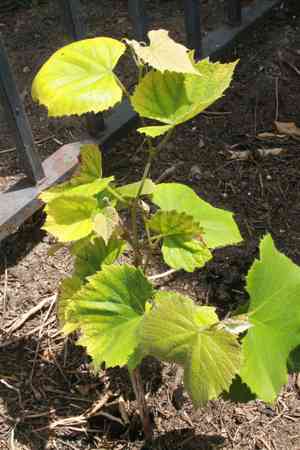
The optimal period for transplanting amur grape extends from the onset of early spring through the conclusion of late spring, allowing root systems to become established prior to the summer season. Choose a location that receives ample sunlight and possesses soil with good drainage. Careful management of the roots facilitates a smooth transition.
What Preparations are Needed Before Transplanting Amur Grape?
What is the Ideal Time for Transplanting Amur Grape?
The optimal period for moving amur grape is during nature's revival, typically once frost is no longer a concern. This timing allows amur grape to settle into the warming ground, benefiting from the entire upcoming growing season. Relocating amur grape during this growth phase ensures roots can expand without extreme temperature stress, leading to a vigorous and flourishing plant. With mild weather, amur grape can focus on root development, vital for its long-term survival.
How Much Space Should You Leave Between Amur Grape Plants?
When relocating your amur grape, aim to provide each plant with approximately 8-10 feet (2.4-3 meters) of clearance. This provides ample room for expansion and air circulation, helping to prevent disease and allowing your amur grape to flourish!
What is the Best Soil Mix for Amur Grape Transplanting?
For an optimal beginning, your amur grape thrives in well-draining soil rich in organic material. Incorporate a balanced, slow-release fertilizer to nourish the root system. Target a pH level between 5.5 and 7.0 for healthy plants!
Where Should You Relocate Your Amur Grape?
Your amur grape will appreciate a location that receives full sun for most of the day! Select a bright spot where your amur grape can absorb at least 6 hours of direct sunlight daily to encourage robust and healthy growth.
What Equipments Should You Prepare Before Transplantation Amur Grape?
Shovel or Spade
For excavating the amur grape from its current spot and preparing the new planting site.
Gardening Gloves
To safeguard your hands while handling soil and the plant.
Watering Can or Hose
To hydrate the amur grape before and after its relocation.
Pruning Shears
To trim any damaged roots or excessive growth prior to transplanting.
Wheelbarrow or Garden Cart
For moving the amur grape and soil to and from the planting area.
Stakes or Trellis
To offer structural support for the amur grape as it matures.
Mulch
To aid in retaining soil moisture around the amur grape after transplant.
Measuring Tape
To ensure correct spacing between plants if relocating multiple amur grape.
How Do You Remove Amur Grape from the Soil?
How Do You Remove Amur Grape from the Soil?
From Ground: First, hydrate the amur grape to moisten the soil. Next, excavate a wide trench around the plant using a shovel or spade, ensuring the plant's root ball remains intact. Carefully work the spade beneath the root ball to lift the amur grape from its original position.From Pot: Thoroughly water the amur grape to make the soil damp. Incline the pot sideways and gently tap or squeeze the sides to loosen the soil. Carefully slide the plant out of the pot, ensuring support for the plant by its root ball rather than its stems or foliage.From Seedling Tray: Begin by watering the soil to make it moist. Use a spoon or a small tool to gently lift the edge of the plant cell. Support the seedling by its leaves rather than its more delicate stems and roots, and carefully remove it from the tray.
Step-by-Step Guide for Transplanting Amur Grape
Preparation
Ensure all necessary tools and supports are ready. Water the amur grape in its current location before removal, making the soil more pliable and simplifying the process.
Removal
Select the appropriate category from the 'removal process' and follow the instructions to carefully extract the amur grape. Aim to keep the root ball as undisturbed as possible.
Transport
If the new planting site is not directly adjacent to the old one, use the wheelbarrow or garden cart to carefully move the amur grape, avoiding any unnecessary disruption to the root ball.
Plant Hole
Dig a hole in the ground that is twice the width of the root ball but the same depth, so that amur grape can sit at the identical level it occupied previously. Loosen the soil on the sides of the hole to facilitate root expansion.
Placement
Position the amur grape in the center of the new hole, ensuring it is upright and oriented as desired, adjusting the depth if needed by adding or removing soil beneath the root ball.
Backfill
Gently refill the hole with the excavated soil. Firm the soil around the amur grape with your hands or feet to eliminate air pockets, being careful not to compact it excessively.
Stake
If the amur grape requires support, install stakes appropriately or set up a trellis now before the roots spread and become difficult to navigate.
Watering
Thoroughly water the amur grape after planting to settle the soil and provide moisture for the roots. Use the watering can or hose for a deep soak.
Mulching
Apply a layer of mulch around the base of the amur grape, avoiding direct contact with the stem, to help retain soil moisture and regulate temperature.
How Do You Care For Amur Grape After Transplanting?
Regular Watering
Maintaining consistent soil moisture is vital for the amur grape to establish itself. Water regularly and adjust based on weather conditions and soil dampness levels.
Mulch Refreshment
Periodically inspect the mulch and replenish as necessary to maintain a consistent layer, which aids in moisture retention and weed suppression.
Staking
Monitor and adjust the stakes or trellis as the amur grape grows to ensure it has adequate support throughout its development.
Pruning
Prune the amur grape to remove any dead or damaged growth that might occur post-transplant, encouraging healthy new growth and a strong structure.
Troubleshooting Common Issues with Amur Grape Transplantation.
How do I know when it's the best time to transplant amur grape?
The optimal period is during the mild weather of early to late spring, which allows amur grape to establish before hot conditions.
What's the ideal spacing for amur grape when transplanting?
Space amur grape plants approximately 8-10 feet (2.4-3 meters) apart to ensure ample growth room and air circulation.
Why are my amur grape plants not thriving after transplanting?
Stress factors such as insufficient hydration, shock, or nutrient deficiencies can impact amur grape post-transplant. Evaluate care routines and modify as needed.
How deep should I dig to transplant amur grape?
Prepare a hole roughly twice the root ball's width and equal in depth to accommodate growth without bending roots.
Can amur grape be transplanted in the fall?
Relocating amur grape in autumn is not ideal due to early frosts. Best outcomes are observed during the suggested spring timeframe.
How much water does amur grape need after transplanting?
Initially, water amur grape generously to help roots settle. Then, continue with regular watering to keep soil moist but not waterlogged.
Do I need to prune amur grape when transplanting?
Minor pruning to remove damaged or diseased sections can benefit amur grape health, but significant cuts should be avoided during transplant.
Should I fertilize amur grape immediately after transplanting?
It's better to allow amur grape time to acclimate before fertilizing. After a few weeks, use a balanced, slow-release fertilizer.
What type of soil is best for transplanting amur grape?
Well-draining soil enriched with organic matter suits amur grape, fostering strong root development and proper nutrient absorption.
How can I protect my newly transplanted amur grape?
Mulch around amur grape to retain moisture, regulate soil temperature, and suppress weeds. Avoid piling mulch against stems to prevent rot.



