How to Transplant Johnny jump up?
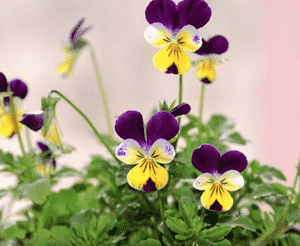
The ideal period for relocating johnny jump up is from mid-spring to late spring, when atmospheric conditions are most favorable for growth. Select a location offering partial sun exposure for johnny jump up and maintain consistent soil dampness. Promote robust root establishment by moving young plants when they have reached a moderate stature.
What Preparations are Needed Before Transplanting Johnny Jump Up?
What is the Ideal Time for Transplanting Johnny Jump Up?
The optimal period for relocating johnny jump up spans from mid-spring to its conclusion. This timing promotes robust development, more vibrant blossoms, and healthier specimens, fostering a pleasant and supportive garden atmosphere.
How Much Space Should You Leave Between Johnny Jump Up Plants?
For johnny jump up, I'd recommend providing each plant with adequate room to expand, approximately 4-6 inches (10-15 cm) apart. This should allow for sufficient growth and prevent excessive crowding.
What is the Best Soil Mix for Johnny Jump Up Transplanting?
Prior to transplanting, prepare the soil by ensuring it is a well-draining, loamy type. Incorporate some organic matter or compost as a foundational fertilizer to supply essential nutrients for your johnny jump up.
Where Should You Relocate Your Johnny Jump Up?
The perfect spot for your johnny jump up would be an area that receives partial to full sun exposure. They can endure some shade as well, so don't be concerned if they don't get direct sunlight throughout the entire day.
What Equipments Should You Prepare Before Transplantation Johnny Jump Up?
Gardening Gloves
To safeguard your hands while handling the soil and johnny jump up plant.
Shovel or Spade
To excavate holes in the ground for the transplanting process.
Trowel
For more precise digging and planting tasks.
Garden Fork
To assist in loosening the soil and encouraging root development.
Watering Can or Hose
To hydrate johnny jump up before and after its relocation.
Organic Compost
To enrich the soil and supply nutrients for johnny jump up.
Mulch
To aid in moisture retention and inhibit weed growth around the transplanted plants.
How Do You Remove Johnny Jump Up from the Soil?
How Do You Remove Johnny Jump Up from the Soil?
- From Ground:If johnny jump up is already situated in the ground, first water the plant to moisten the soil. Then, excavate a wide trench around it using a shovel or spade, ensuring its root ball remains intact. Carefully work the spade beneath the root ball to lift the plant from its original position.- From Pot:If johnny jump up resides in a pot, begin by watering the plant to dampen the soil. Turn the pot on its side and gently tap the edges to dislodge the plant and soil. Carefully slide the plant out of the pot, taking care not to harm the roots.- From Seedling Tray:If johnny jump up is growing in a seedling tray, water the soil to facilitate the removal of the delicate seedlings. Utilize a small trowel to scoop out each seedling, being mindful of its fragile roots. Lift it by grasping a leaf rather than the stem to prevent damage.
Step-by-Step Guide for Transplanting Johnny Jump Up
Preparation
Water johnny jump up in its initial location to moisten the soil and simplify its removal.
Site Preparation
Dig a hole twice as wide and as deep as the root ball in the designated planting area, and loosen the soil at the base of the hole using a garden fork.
Compost
Incorporate some organic compost into the bottom of the hole to provide johnny jump up with additional nutrients.
Transplanting
Carefully lower the johnny jump up plant into the hole, ensuring its root ball is level with the surrounding soil. Backfill the hole with soil and gently firm it around the roots to eliminate air pockets.
Watering
Water the transplanted johnny jump up generously to help it settle into its new environment and establish roots.
Mulching
Spread a layer of mulch around the base of johnny jump up to assist in moisture retention and weed suppression. Keep the mulch a few inches away from the stem to prevent rot.
How Do You Care For Johnny Jump Up After Transplanting?
Watering
Thoroughly water johnny jump up after transplanting, and maintain consistently moist soil for the initial few weeks, but avoid waterlogging, to aid in establishing strong roots.
Monitoring
Observe johnny jump up for indications of transplant shock, such as wilting or yellowing leaves. If these symptoms appear, provide the plant with extra water, and consider adding a rooting hormone to stimulate root growth.
Pruning
As johnny jump up develops, remove any dead or dying foliage to encourage healthy growth and minimize disease risk.
Fertilizing
Apply a slow-release fertilizer around the base of johnny jump up a few weeks post-transplanting, adhering to the manufacturer's instructions for application rate and frequency.
Troubleshooting Common Issues with Johnny Jump Up Transplantation.
When is the best time to transplant johnny jump up?
The optimal period for transplanting johnny jump up is from mid-spring to late spring, ensuring a successful growth cycle.
What's the proper spacing for transplanting johnny jump up?
Space johnny jump up plants approximately 4-6 inches (10-15 cm) apart to promote healthy development and prevent overcrowding.
How should I prepare the soil for transplanting johnny jump up?
Ensure well-draining soil, enriched with compost or organic matter. An optimal pH range is between 6.0 and 7.0.
What's the best way to water johnny jump up after transplanting?
Water the transplants thoroughly, keeping the soil moist but not saturated. Excessive watering may lead to root decay.
How much sunlight does johnny jump up need after transplanting?
Johnny jump up thrives in full sun to partial shade. Provide at least 6 hours of daily sunlight to ensure vigorous growth.
Should I fertilize johnny jump up after transplanting?
Yes, apply a balanced, slow-release fertilizer during planting. Follow the label instructions for correct application.
How to properly handle johnny jump up seedlings during transplant?
Handle seedlings with care by their leaves, avoiding damage to the stems and roots, to ensure healthy development.
How deep should the planting hole be for transplanting johnny jump up?
Dig a hole slightly larger and deeper than the root ball, allowing ample space for the roots to expand.
What should I do if my transplanted johnny jump up looks wilted?
If johnny jump up appears wilted after transplanting, provide shade and water to alleviate stress and encourage recovery.
How can I protect johnny jump up from pests and diseases during transplant?
Regularly inspect seedlings, remove affected parts, and use organic or chemical controls if necessary to prevent spread.



