How to Transplant Common blue violet?
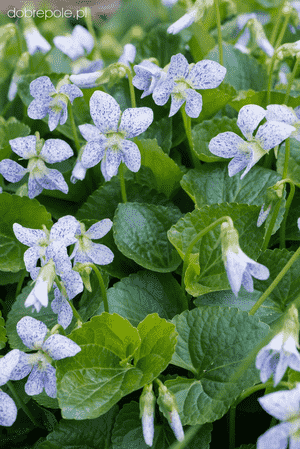
Relocating common blue violet flourishes optimally from mid-spring through early summer. Select a partially shaded, damp spot with soil that drains effectively for superior outcomes. Carefully loosen the root mass during the transfer to foster robust development in its new environment.
What Preparations are Needed Before Transplanting Common Blue Violet?
What is the Ideal Time for Transplanting Common Blue Violet?
Moving common blue violet during the pleasant period of mid-spring to early summer is recommended! Benefit from vigorous development, early blooms, and enhanced adaptability. Don't miss out!
How Much Space Should You Leave Between Common Blue Violet Plants?
When relocating common blue violet, aim for a separation of approximately 0.5-1 feet (15-30 cm). This ensures each plant has ample room to develop and flourish without competing for space or resources.
What is the Best Soil Mix for Common Blue Violet Transplanting?
For common blue violet, select a soil type that drains well and is rich in organic matter. Incorporate compost or a balanced, slow-release fertilizer to enrich the soil and supply vital nutrients.
Where Should You Relocate Your Common Blue Violet?
Choose a spot for common blue violet that gets partial shade to full sunlight. This will guarantee your plant receives sufficient light for healthy growth while also shielding it from intense heat during the warmest part of the day.
What Equipments Should You Prepare Before Transplantation Common Blue Violet?
Gardening Gloves
To safeguard your hands while handling soil and plants.
Trowel or Spade
For digging holes and lifting the plant from its initial spot.
Watering Can or Hose
To maintain consistent soil moisture during and after relocation.
Pruner or Gardening Scissors
To trim any damaged or dead leaves and stems.
Organic Compost or Fertilizer
To supply nutrients to the plant and enhance soil structure.
How Do You Remove Common Blue Violet from the Soil?
How Do You Remove Common Blue Violet from the Soil?
- From Ground:First, hydrate the common blue violet plant to moisten the soil. Next, excavate a wide trench around the plant using a shovel or spade, ensuring the plant's root ball remains intact. Carefully work the spade beneath the root ball to lift the plant from its original position.- From Pot:Water the plant thoroughly, then gently loosen the soil around the pot's edges by tapping or massaging the sides. Hold the base of the common blue violet stem and carefully invert the pot to slide the plant and root ball out, preserving as much of the root system as possible.- From Seedling Tray:Dampen the soil and carefully lift the common blue violet seedling from the tray by grasping the plant's base. Avoid pulling on the stem or leaves, as this can harm the seedling. Gently brush away any excess soil from the root ball.
Step-by-Step Guide for Transplanting Common Blue Violet
Site Selection
Pick a location with suitable sunlight and room for your common blue violet plant to reach its mature size.
Soil Preparation
Dig the planting hole twice as wide and at the same depth as the root ball. Amend the soil with organic compost or fertilizer to provide necessary nutrients for the common blue violet plant.
Placing the Plant
Carefully position the common blue violet plant into the hole, ensuring the top of the root ball is level with the soil surface. Gently backfill the hole with soil, firming it around the root ball to eliminate air pockets.
Water Thoroughly
After transplanting, water the common blue violet plant deeply, ensuring the soil around the root ball is evenly moist. This helps settle the soil and establish good root-to-soil contact.
Initial Pruning
Use a pruner or gardening scissors to remove any damaged or dead leaves and stems. This helps the common blue violet plant to focus its energy on new growth.
How Do You Care For Common Blue Violet After Transplanting?
Watering
Keep the soil around the common blue violet consistently moist, but not waterlogged, for the first few weeks after transplanting to help establish strong roots.
Mulching
Apply a layer of mulch around the plant's base to help retain moisture and regulate soil temperature.
Pruning
Regularly remove any damaged or dead foliage to promote healthy growth and minimize the risk of disease.
Fertilizing
Apply an organic, slow-release fertilizer after the initial establishment period, according to package directions, to promote healthy growth of your common blue violet plant.
Monitoring
Keep an eye on your common blue violet plant for any signs of pests or diseases, and address them promptly to minimize potential damage.
Troubleshooting Common Issues with Common Blue Violet Transplantation.
When is the best time to transplant common blue violet?
The ideal time to relocate common blue violet is during mid-spring to early summer, when temperatures are mild and consistent.
What is the proper spacing for transplanting common blue violet?
Ensure a distance of 0.5-1 feet (15-30 cm) between each common blue violet plant to provide adequate space for growth.
What's the optimal soil type for common blue violet transplanting?
Common blue violet thrives in well-draining, humus-rich soil with a pH of around 6.0-7.5 for strong, healthy growth.
Do I need to water common blue violet immediately after transplanting?
Yes, water the plant gently right after transplanting to help it settle in and establish its roots.
How deep should I dig the hole for transplanting common blue violet?
Dig a hole at least 6 inches (15 cm) deep to accommodate common blue violet's root system and ensure proper growth.
How can I avoid transplant shock in common blue violet?
To lessen transplant shock, transplant on a cloudy day, keep the roots moist, and water regularly after transplanting.
Do I need to add fertilizer during the transplanting process?
Incorporate a slow-release fertilizer or compost into the planting hole to provide essential nutrients for common blue violet's growth.
How much sunlight does common blue violet need after transplanting?
Common blue violet prefers partial to full shade. Ensure it receives filtered sunlight or about 3-4 hours of direct sun.
What should I do if my transplanted common blue violet is wilting?
Ensure consistent watering, provide partial shade, check for pests, and consider applying a mild liquid fertilizer.
How long does it take for common blue violet to establish after transplanting?
Generally, common blue violet takes 2-4 weeks to establish after transplanting. This may vary depending on growing conditions.



