How to Transplant Downy Yellow Violet?
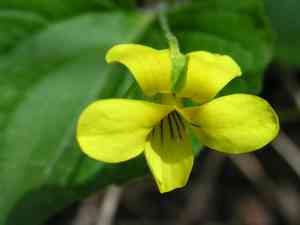
The optimal period for relocating Viola pubescens is amidst the pleasant temperatures of mid to late spring, facilitating strong root development prior to the colder season. Select a shaded spot featuring damp, adequately draining earth. Should it be required, augment the area with compost to foster vigorous growth.
What Preparations are Needed Before Transplanting Downy Yellow Violet?
What is the Ideal Time for Transplanting Downy Yellow Violet?
The best time to move downy Yellow Violet is during the peak of mid to late spring. This period perfectly aligns with downy Yellow Violet's natural growth cycle, ensuring a smooth transition. Relocating downy Yellow Violet in this lush window promotes strong root establishment, takes advantage of mild weather, and prepares it for vigorous summer growth. Choosing this season offers an excellent chance for downy Yellow Violet to adapt and flourish in its new spot before summer heat intensifies. It's a gardening tactic that ensures a vibrant start for lasting health.
How Much Space Should You Leave Between Downy Yellow Violet Plants?
To help your downy Yellow Violet thrive, it's best to give it ample room to spread. Aim for a spacing of approximately 1-2 feet (30-60 cm) between each plant. This provides sufficient space for development!
What is the Best Soil Mix for Downy Yellow Violet Transplanting?
For your downy Yellow Violet, a well-draining soil rich in organic matter is the optimal choice. Preparing the soil with a balanced granular fertilizer, such as a 10-10-10, will give your plant an excellent start!
Where Should You Relocate Your Downy Yellow Violet?
Your downy Yellow Violet will perform best in a partially shaded location. Full sun might be too intense, so finding a spot beneath taller plants or structures can ensure it receives the appropriate amount of sunlight.
What Equipments Should You Prepare Before Transplantation Downy Yellow Violet?
Trowel
To excavate the hole for your new downy Yellow Violet plant. It is compact and useful for handling delicate roots.
Gardening Gloves
To safeguard your hands while working with soil and plants. They also keep your hands clean and prevent infections.
Pruning Shears
To trim any damaged or decaying roots prior to transplanting, which can help the plant establish better in its new location.
Shovel
To be utilized when extracting a plant from its original spot, especially if it is currently in the ground.
Garden Hose with Sprinkler Attachment
To water the plant both before and after the transplanting process.
Organic Mulch
Applying mulch to the downy Yellow Violet after transplanting will help maintain soil moisture and provide some nutrients.
How Do You Remove Downy Yellow Violet from the Soil?
How Do You Remove Downy Yellow Violet from the Soil?
From Ground: Start by thoroughly watering the downy Yellow Violet plant to moisten the soil, which will facilitate removal. Using a shovel, dig a trench at least six inches away from the plant's stem to avoid root damage. Carefully work the shovel beneath the root ball, lifting the plant from its original position. Be sure not to pull or yank the plant, as this may cause unnecessary stress.From Pot: Begin by adequately watering the downy Yellow Violet. Gently invert the pot and tap it to loosen the plant, ensuring you support the plant's base with your other hand. If the plant is stuck, run a trowel around the pot's edge to free the roots.From Seedling Tray: Using your fingers or a small tool, carefully separate each downy Yellow Violet seedling from the tray. Be cautious not to harm the delicate roots during this process. This method typically applies to downy Yellow Violet plants started from seeds.
Step-by-Step Guide for Transplanting Downy Yellow Violet
Digging the Hole
With your trowel, dig a hole that is twice as wide and just as deep as the downy Yellow Violet's root ball. Remember, planting too deeply can harm the plant.
Placement
Position the downy Yellow Violet in the center of the hole. Ensure that the top of its root ball is level with the soil surface.
Backfilling
Fill the hole around the roots with soil, pressing down gently to eliminate any air pockets. Make sure the downy Yellow Violet is held firmly in place, but not compacted too tightly, as this could impede root growth.
Watering
Use your garden hose with a sprinkler attachment to provide the newly transplanted downy Yellow Violet with a generous amount of water. This prevents initial transplant shock and ensures proper root establishment.
How Do You Care For Downy Yellow Violet After Transplanting?
Mulching
Apply a thin layer of organic mulch around the base of the downy Yellow Violet. This will suppress weeds, retain moisture, and keep the soil temperature stable.
Pruning
Trim any dead or damaged leaves and stems after transplanting to direct the downy Yellow Violet plant's energy towards root development.
Protection from Elements
Shield the downy Yellow Violet from harsh weather conditions like strong winds or heavy rain until it establishes in its new location. You could use a plant guard or a cloche if necessary.
Observation
Monitor the downy Yellow Violet frequently for signs of distress, such as yellowing or wilting leaves, and take prompt action.
Troubleshooting Common Issues with Downy Yellow Violet Transplantation.
When is the perfect bracket to move downy Yellow Violet to another location?
Ideally, downy Yellow Violet should be transplanted during S2-S3 (mid to late growing season) to ensure the best survival rate.
What is the suitable distance between each downy Yellow Violet while transplanting?
To avoid overcrowding, maintain a space of about 1-2 feet (30-60 cm) between each downy Yellow Violet. This gives the plant ample room for growth.
How can I ensure the survival of downy Yellow Violet after transplanting?
Regularly monitor the health of your downy Yellow Violet. Water it thoroughly after transplanting and try to maintain moist soil conditions.
Does the size of the transplant hole affect the growth of downy Yellow Violet?
Yes, the hole should be wide and deep enough to comfortably accommodate the entire root system of the downy Yellow Violet. This promotes healthy root development.
What should I do if the leaves of downy Yellow Violet start turning yellow after transplantation?
Yellowing leaves might indicate overwatering or a lack of nutrients. Adjust your watering schedule and consider enriching the soil with organic compost.
Is it necessary to prune downy Yellow Violet during the transplanting process?
Pruning is not always essential. However, trimming back the plant can reduce stress and help downy Yellow Violet establish more quickly after transplanting.
Does downy Yellow Violet require any special soil mix while transplanting?
Downy Yellow Violet adapts to most soil types but prefers well-draining soil. Boost your transplant success with soil enriched with organic compost.
What steps should I take if downy Yellow Violet doesn't show new growth after transplanting?
Patience is key. However, if there is no new growth for several weeks, try adjusting the lighting conditions, watering, or soil nutrients.
How should I handle the root ball of downy Yellow Violet during transplantation?
Handle very gently to avoid damaging the roots. Loosen the root ball a little before placing it in the new hole to promote root growth.
Should I fertilize downy Yellow Violet immediately after transplanting?
No, wait for at least 2-4 weeks before fertilizing newly transplanted downy Yellow Violet to avoid burning the roots. Use a balanced, slow-release fertilizer.



