How to Transplant Marsh violet?
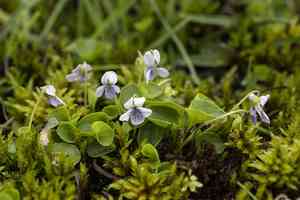
The ideal period for relocating marsh violet spans from the initial days of late spring through the bright mornings of early summer, or alternatively, during the temperate stretch from late autumn to the sharp beginning of early winter. Provide a damp, shaded location to replicate its natural wetland environment. Careful manipulation is crucial to safeguard its fragile root structure.
What Preparations are Needed Before Transplanting Marsh Violet?
What is the Ideal Time for Transplanting Marsh Violet?
The best time to move marsh violet is during the gentle shift from late spring to early summer, or the calm start of late autumn to early winter. This period allows marsh violet to establish its root system when soil conditions are optimal for growth, avoiding the extremes of summer heat or winter cold. Transplanting marsh violet during these favorable times significantly boosts its chances of flourishing, aligning with nature's perfect rhythm for a smooth transition.
How Much Space Should You Leave Between Marsh Violet Plants?
For your marsh violet, ensure adequate room for development. Aim for a comfortable, yet not overly tight, spacing of approximately 6 to 8 inches (15 to 20 cm) between plants. This provides each marsh violet with sufficient area to expand and grow robustly.
What is the Best Soil Mix for Marsh Violet Transplanting?
Marsh violet prefers a consistently damp, well-draining soil, ideally amended with peat or organic compost. Prior to planting, enrich the soil with a balanced, slow-release fertilizer to give your marsh violet an excellent start in its new location.
Where Should You Relocate Your Marsh Violet?
Select a location for your marsh violet that receives partial sun to filtered light; they do not tolerate harsh, direct sunlight well. An ideal spot might be beneath the light canopy of a tree, where they can absorb the soft morning rays.
What Equipments Should You Prepare Before Transplantation Marsh Violet?
Gardening Gloves
To safeguard your hands while handling soil and plants.
Shovel or Spade
For digging and lifting the marsh violet plant's root ball.
Garden Trowel
Useful for precise tasks or smaller transplanting efforts.
Watering Can or Hose
To hydrate the marsh violet plant before and after its relocation.
Pruning Shears
To remove any dead or excessive foliage.
Wheelbarrow or Garden Cart
For moving the marsh violet plant and soil.
Measuring Tape
To determine planting depth and spacing between plants.
How Do You Remove Marsh Violet from the Soil?
How Do You Remove Marsh Violet from the Soil?
From Ground: Begin by watering the marsh violet plant to loosen the surrounding soil. Dig a wide circle around the plant with a shovel or spade to protect the root ball, then carefully lift the marsh violet from its spot.From Pot: Thoroughly water the marsh violet plant. Turn the pot on its side and gently tap it to dislodge the plant. Holding the base of the plant, carefully ease it out, ensuring the root ball remains intact.From Seedling Tray: Moisten the soil to facilitate the removal of marsh violet seedlings. Use a garden trowel or your fingers to gently lift each seedling by its leaves, not the delicate stem, making sure the roots come out with some soil.
Step-by-Step Guide for Transplanting Marsh Violet
Preparation
Before moving the marsh violet plant, ensure all necessary tools are at hand and the new planting site is prepared.
Layout
Mark the position for each marsh violet plant, considering their mature size for appropriate spacing.
Digging
Excavate a hole roughly twice the width of the marsh violet plant's root ball, but no deeper, to prevent settling.
Transplanting
Carefully place the marsh violet plant into the hole, spreading its roots outwards without excessive disturbance.
Backfilling
Refill the hole with soil, gently firming it around the marsh violet plant to eliminate air pockets without compacting the soil too much.
Watering
Water the marsh violet plant generously immediately after transplanting to moisten the roots and help the soil settle.
How Do You Care For Marsh Violet After Transplanting?
Watering
After relocating your marsh violet, provide consistent moisture while avoiding saturation. This balance promotes robust growth.
Mulching
Applying a layer of mulch can help retain moisture, stabilize soil temperature, and reduce weed competition around the marsh violet.
Monitoring
Observe your marsh violet for indications of transplant shock, such as wilting or discolored leaves, and address them with appropriate care.
Pruning
Removing any damaged or dead foliage will direct the marsh violet plant's energy towards establishing new growth.
Troubleshooting Common Issues with Marsh Violet Transplantation.
Why is my marsh violet not thriving after transplanting?
Ensure marsh violet is transplanted during its optimal periods: late spring to early summer or the transition from late fall to early winter. Confirm proper spacing of 6 to 8 inches (15 to 20 cm) apart and provide adequate water and shade.
How deep should I plant marsh violet when transplanting?
Transplant marsh violet at the same depth it was growing in its previous spot. Planting too deep or too shallow can stress the plant.
How often should I water marsh violet after transplanting?
Water marsh violet thoroughly after transplanting, then maintain consistent soil moisture without waterlogging, especially during the initial weeks.
What type of soil is best for transplanting marsh violet?
Utilize moist, well-draining, rich soil with ample organic matter. Marsh violet thrives in slightly acidic to neutral pH conditions.
How much sun does marsh violet need after transplanting?
Provide marsh violet with partial to full shade after transplanting, particularly if located in a region with intense sunlight.
Can marsh violet be transplanted in containers?
Absolutely! Just ensure the container has good drainage and is filled with a suitable potting mix.
When can I start fertilizing marsh violet after transplanting?
Wait until marsh violet displays signs of new growth before applying a balanced, slow-release fertilizer.
Should I mulch around marsh violet after transplanting?
Applying mulch around marsh violet will help retain soil moisture and regulate temperature, but ensure the mulch does not touch the stem.
How do I handle root-bound marsh violet when transplanting?
Gently separate the roots before transplanting. If severely root-bound, vertical cuts may be necessary.
What should I do if leaves of marsh violet wilt after transplanting?
Wilting can indicate transplant shock. Keep the soil moist and provide shade, avoiding overwatering and fertilizing until recovery is evident.



