How to Transplant Common violet?
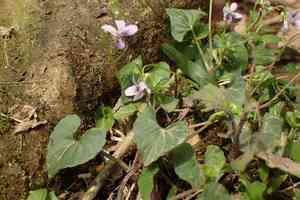
The most favorable periods for transplanting common violet are the gentle breezes of early to mid-spring or the tranquil dusk of late autumn. This guarantees the roots can settle in agreeable temperatures. Select a sheltered location featuring damp, well-draining earth to provide common violet with a fresh sanctuary.
Essential Preparations Before Relocating Common Violet
Optimal Period for Moving Common Violet?
The best time to resettle common violet is during the onset of spring or the gentle decline of autumn. This timing allows common violet to settle without the strain of extreme temperatures. Moving common violet in these nurturing seasons ensures a strong beginning or peaceful dormancy, boosting its resilience. A helpful hint: Transplanting common violet during these periods provides it with nature's gradual adjustment, promising a future full of blooms.
Required Spacing Between Common Violet Plants?
When arranging your common violet, aim for approximately 6-8 inches (15-20 cm) between each plant. This provides ample room for each to thrive without crowding, allowing them to reach their full potential.
Ideal Soil Blend for Common Violet Relocation?
A rich, loamy soil enhanced with organic compost works wonders for common violet. Before moving, incorporate a balanced, slow-release fertilizer to give your common violet a healthy start. Ensure the soil drains well to prevent water accumulation.
Where to Replant Your Common Violet?
Select a location for your common violet that receives partial sunlight, as these small treasures prefer some shade. Steer clear of direct, intense afternoon sun to safeguard their delicate leaves and flowers. Morning light with filtered afternoon shade is perfect.
Tools Required Before Transplanting Common Violet?
Gardening Gloves
To shield your hands while handling soil and plants.
Shovel or Spade
For excavating and carefully lifting the common violet's root ball.
Watering Can or Hose
For hydrating the common violet before and after its move.
Trowel
For minor adjustments and creating small holes when dealing with young or smaller plants.
Garden Fork
To loosen the soil around the plant's root system if needed.
Mulch
To aid in moisture retention and regulate soil temperature around the common violet post-planting.
Pruners or Sharp Scissors
To trim any damaged roots or foliage.
Wheelbarrow or Garden Cart
For transporting the plant and soil, especially if the common violet is larger.
Measuring Tape
To ensure correct spacing between newly transplanted common violets.
How to Extract Common Violet from the Ground?
How to Extract Common Violet from the Ground?
From Ground: First, hydrate the common violet plant to moisten the soil. Next, dig a wide trench around the plant using a shovel or spade, ensuring the plant's root ball remains intact. Carefully work the spade beneath the root ball to lift the plant from its original spot.From Pot: Start by watering the common violet to facilitate its removal. Turn the pot on its side, grasp the plant by its base, and gently tap the pot's bottom and sides to loosen the plant. Slide the plant out, supporting its root ball.From Seedling Tray: Lightly water the seedlings to dampen the soil. Use a trowel or your fingers to carefully lift each common violet seedling from its compartment, taking care not to harm the delicate roots.
Step-by-Step Guide for Relocating Common Violet
Preparation
Begin by gently watering your common violet to reduce stress and ease the removal process.
Dig Hole
At the new site, excavate a hole that is twice as wide and equally deep as the common violet's root ball to provide ample room for expansion.
Root Inspection
Examine the common violet's roots. Trim any damaged roots with pruners or sharp scissors and gently untangle if necessary.
Placement
Position the common violet in the center of the hole. The top of the root ball should be level with or slightly above the surrounding soil to allow for settling.
Refilling Soil
Carefully backfill around the root ball with soil, gently tamping down to eliminate air pockets.
Water Deeply
Thoroughly water the common violet to settle the soil and provide hydration. This will also help to remove any remaining air pockets.
Mulch Application
Apply a layer of mulch around the base of your common violet, keeping it away from the plant's stems to prevent rot and maintain moisture.
Support
If your common violet is tall or top-heavy, consider staking it for additional support. Drive the stake into the ground at the edge of the root ball and loosely tie the plant to the stake.
Post-Transplant Care for Common Violet
Watering
Establish a consistent watering schedule to keep the soil around the common violet continuously moist, being careful not to overwater.
Mulching
Maintain the mulch layer to conserve moisture and inhibit weed growth. Replenish as needed but keep the mulch from touching the common violet's stems.
Monitoring
Observe your newly transplanted common violet for signs of transplant shock, such as wilting or discolored leaves, and respond appropriately.
Pruning
Remove any dead or damaged foliage to help the common violet direct its energy towards root establishment and new growth.
Staking
Check any supports or stakes to ensure they are secure and not harming the common violet as it develops.
Resolving Common Issues with Common Violet Relocation.
When is the best time to move common violet?
The ideal period for relocating common violet is when temperatures are mild, typically early to mid-spring or during late autumn.
What distance should I keep between common violet plants?
Space common violet plants approximately 6-8 inches (15-20 cm) apart to ensure healthy development and adequate air circulation.
How do I prepare common violet for its move?
Gently loosen the soil around common violet, carefully lift the plant, and trim any excessively long roots.
Why is my common violet wilting after being moved?
Wilting post-transplant may be due to shock. Ensure sufficient watering and avoid direct sun until it recovers.
How much should I water common violet after moving?
Water common violet thoroughly after transplanting to settle the soil, then maintain consistent moisture without overwatering.
What soil type is best for relocating common violet?
Common violet thrives in well-draining, rich soil. Amend with compost to enhance fertility and structure.
Should I fertilize common violet immediately after moving?
Avoid fertilizing common violet right after transplanting. Allow it to establish in its new location first.
What light conditions do common violet need after moving?
Common violet prefers partial to full shade. Protect from harsh sunlight to prevent stress after transplanting.
How deep should the hole be for moving common violet?
Dig a hole as deep as the root ball and twice as wide to give common violet a good start.
Can I divide common violet during its relocation?
Yes, when transplanting, it's an excellent opportunity to divide common violet if it has grown large. Separate carefully and replant.



