How to Transplant Greater periwinkle?
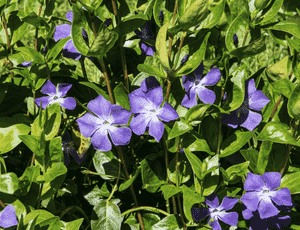
For optimal results, relocate greater periwinkle during the pleasant window from mid-spring to early summer. This timing guarantees robust development, as environmental factors offer sufficient warmth and illumination. When moving the plant, select a site featuring dappled light and soil that drains effectively.
What Preparations are Needed Before Transplanting Greater Periwinkle?
What is the Ideal Time for Transplanting Greater Periwinkle?
The optimal period for relocating greater periwinkle is from mid-spring to early summer. This timeframe allows ample opportunity for root establishment, promoting vigorous development and a thriving plant. Your greater periwinkle will appreciate it!
How Much Space Should You Leave Between Greater Periwinkle Plants?
When moving greater periwinkle, provide each plant with adequate room to expand! Aim for a separation of approximately 12-18 inches (30-45 cm) between them. This spacing will enable them to flourish and create a stunning garden display!
What is the Best Soil Mix for Greater Periwinkle Transplanting?
A well-draining soil, comprising a blend of sand, silt, and clay, is ideal for greater periwinkle. To give your plants an excellent start, incorporate some organic material like compost. Adding a slow-release, balanced fertilizer will further nourish and support their growth.
Where Should You Relocate Your Greater Periwinkle?
For optimal outcomes, transplant your greater periwinkle to a spot that receives at least 6 hours of sunlight daily. They can also endure some shade, particularly in warmer regions. A sunny location with filtered shade is an excellent choice for greater periwinkle.
What Equipments Should You Prepare Before Transplantation Greater Periwinkle?
Gardening Gloves
To safeguard your hands while handling soil and plants.
Trowel or Hand Fork
For excavating small holes or loosening the earth around the plant.
Shovel or Spade
Essential for digging larger holes and moving the plant.
Garden Knife
Can be useful for severing roots or trimming damaged roots during relocation.
Watering Can or Hose
To hydrate the plant before and after its move.
Stakes or Supports (optional)
If greater periwinkle needs extra stability to help it settle in its new spot.
How Do You Remove Greater Periwinkle from the Soil?
How Do You Remove Greater Periwinkle from the Soil?
- From Ground:First, moisten the greater periwinkle plant to dampen the surrounding soil. Next, excavate a wide trench around the plant using a shovel or spade, ensuring the plant's root ball remains intact. Carefully work the spade beneath the root ball to lift the plant from its original position.- From Pot:Hydrate the greater periwinkle plant to help loosen the soil within the container. Then, tilt the pot sideways and gently tap its edges to release the plant. If the plant seems stuck, use a garden knife to trace along the inner rim of the pot, being careful not to harm the roots.- From Seedling Tray:Gently loosen the soil around the greater periwinkle seedling using a small trowel or hand fork. Then, carefully lift the seedling from the tray by its base, taking care not to damage the roots or stem.
Step-by-Step Guide for Transplanting Greater Periwinkle
Hole Preparation
Dig a hole twice as wide and deep as the greater periwinkle's root system to provide ample room for roots to expand.
Amending Soil (if necessary)
If your soil is heavy clay or sandy, amend it with organic matter, such as compost, to improve drainage and fertility.
Positioning the Plant
Carefully place the greater periwinkle plant in the hole, ensuring the root ball is sitting at the same depth as it was in its original location. Spread out the roots so they can easily establish themselves in the new soil.
Filling the Hole
Fill the hole with soil, gently firming it down around the plant to eliminate air pockets. Take care not to bury the greater periwinkle plant too deep, as this can lead to root rot.
Watering
Thoroughly water the transplanted greater periwinkle to help settle the soil around the roots and reduce transplant shock.
How Do You Care For Greater Periwinkle After Transplanting?
Monitoring
Observe the greater periwinkle closely for the initial weeks post-transplant, checking for any indications of stress or wilting.
Watering
Keep the soil around the greater periwinkle consistently moist, but not waterlogged, for the first few weeks after transplanting to help establish strong roots. Then, adjust your watering schedule according to the greater periwinkle's specific requirements.
Mulching
Consider applying a layer of mulch around the base of the greater periwinkle to help retain moisture and regulate soil temperature.
Pruning
Remove any dead or damaged leaves or branches from the greater periwinkle after transplanting to encourage healthy new growth.
Troubleshooting Common Issues with Greater Periwinkle Transplantation.
When is the ideal time to transplant greater periwinkle?
The perfect season for transplanting greater periwinkle is mid-spring to early summer, offering the most suitable growing conditions.
What is the correct spacing for transplanting greater periwinkle?
When transplanting greater periwinkle, maintain a distance of 12-18 inches (30-45 cm) between each planting hole to ensure healthy growth.
What soil type suits greater periwinkle best for transplanting?
Greater periwinkle thrives in well-drained soil, preferably a mixture of loam, peat moss, and sand to facilitate healthy growth.
What is the ideal depth for planting greater periwinkle?
When transplanting greater periwinkle, dig a hole slightly deeper than the root ball, around 8-10 inches (20-25 cm) for adequate support.
How should I prepare the planting site for greater periwinkle?
Choose a location with partial sun or light shade, clear away debris, loosen the soil, and mix in some organic matter.
How should I water greater periwinkle after transplanting?
Water greater periwinkle thoroughly after transplanting, then maintain regular watering, keeping the soil consistently moist but not soggy.
How do I protect transplanted greater periwinkle from pests?
Prevent pest issues by keeping the planting area clean, checking greater periwinkle regularly for signs of infestation, and removing affected leaves.
What should I do if the transplanted greater periwinkle shows signs of wilting?
In case of wilting, ensure adequate watering, protect greater periwinkle from direct sunlight, and avoid over-fertilizing. Adjust as needed.
Should I add fertilizer when transplanting greater periwinkle?
Mix a balanced, slow-release fertilizer into the planting hole's soil to provide vital nutrients for the transplanted greater periwinkle.
How do I encourage healthy growth in transplanted greater periwinkle?
For healthy growth, ensure a suitable location, proper spacing, adequate watering, and occasional pruning to encourage bushiness.



