How to Transplant Mung bean?
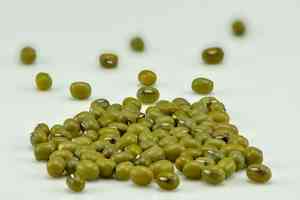
Spring provides an optimal period for mung bean to develop strong root systems, requiring a sunny, adequately drained location. Careful handling during this stage promotes successful relocation and vitality in mung bean's development.
What Preparations are Needed Before Transplanting Mung Bean?
What is the Ideal Time for Transplanting Mung Bean?
The optimal period for relocating mung bean seedlings is the vibrant season of Spring, when growth and vigor are at their peak. During this time, mild temperatures and increasing daylight combine to create perfect growing conditions for mung bean. Moving mung bean during this window allows it to benefit from the natural seasonal cycle, improving its ability to establish and flourish in new locations. This strategic timing capitalizes on the plant's inherent growth patterns, promising a successful transition and a robust harvest.
How Much Space Should You Leave Between Mung Bean Plants?
When preparing to transplant your mung bean, ensure each plant has ample room to develop. Ideally, they should be spaced approximately 1.5-2 feet (45-60 cm) apart. This spacing permits root expansion and prevents overcrowding.
What is the Best Soil Mix for Mung Bean Transplanting?
For your mung bean to thrive, it requires soil that drains effectively. Incorporate a generous amount of organic compost into the soil before transplanting. A slow-release, low-nitrogen fertilizer will also provide a solid nutritional foundation for the plant.
Where Should You Relocate Your Mung Bean?
Your mung bean thrives in sunlight, so select a garden location that receives at least 6 hours of direct sun daily. They can also tolerate partial shade if full sun exposure is not feasible.
What Equipments Should You Prepare Before Transplantation Mung Bean?
Hand Trowel
This tool is ideal for the initial step of digging holes in your garden where the mung bean will be transplanted.
Watering Can
It is crucial to keep the mung bean well-hydrated during the transplanting process; a watering can is necessary to gently irrigate your plants.
Gardening Gloves
To safeguard your hands from soil and potential thorns during the transplanting procedure.
Garden Shears
To trim the mung bean if needed, assisting in its recovery and development after transplant.
Compost or Organic Matter
To enrich the soil's nutrients at the transplant site, fostering the mung bean's recovery and growth.
How Do You Remove Mung Bean from the Soil?
How Do You Remove Mung Bean from the Soil?
From Ground: Moisten the mung bean to keep the soil around its roots damp. Carefully dig around the plant with a hand trowel, leaving ample space to avoid root damage. Gently lift the plant from its original spot, preserving as much of the root system as possible.From Pot: Similar to ground removal, water the mung bean first. Then, tilt the pot sideways and carefully slide the plant out. Be cautious not to pull too hard on the stems, as this could cause harm.From Seedling Tray: Water the tray and gently push the mung bean seedlings out from the bottom. Take care not to damage the roots while extracting the seedlings.
Step-by-Step Guide for Transplanting Mung Bean
Hole Preparation
Excavate a hole twice the width and approximately the same depth as the mung bean's root ball.
Adding Compost
Incorporate some compost or other organic material into the hole. This will help supply the necessary nutrients for plant growth.
Planting
Carefully position the mung bean in the hole, ensuring it is not planted deeper than it was in its initial location.
Filling the Hole
Backfill the hole with the original soil and compost. Press down gently to eliminate air pockets without overly compacting the soil.
Watering
Thoroughly water the plant using a watering can.
How Do You Care For Mung Bean After Transplanting?
Initial Watering
Water the mung bean immediately after transplanting to help settle the soil around its roots. This should be done gently to prevent washing away the soil.
Monitoring and Care
Regularly inspect the mung bean for any indications of stress, such as wilting or yellowing leaves. Address issues promptly upon identification.
Pruning
If the mung bean exhibits signs of stress, pruning might be necessary. Use your garden shears to sparingly remove parts of the plant, encouraging new growth and recovery.
Continued Watering
Maintain regular watering, but ensure the mung bean is not waterlogged to prevent root rot.
Troubleshooting Common Issues with Mung Bean Transplantation.
When is the best time to transplant mung bean?
For optimal results, mung bean should be transplanted between Season1 and Season3. You'll definitely notice a difference!
What's the ideal spacing between mung bean plants during transplant?
To ensure proper growth, mung bean plants require their own space, ideally around 1.5 to 2 feet apart – roughly 45-60 cm. Trust me, it works!
Why are my transplanted mung bean not growing well?
Ensure your mung bean has sufficient room for root development – remember the 1.5 to 2 feet rule (45-60 cm). Also, confirm adequate sunlight and nutrient-rich soil.
Why are my mung bean leaves turning yellow after transplant?
Yellowing leaves often indicate overwatering or poor drainage. Make sure the mung bean isn't waterlogged and the soil drains well. It can make all the difference.
How can I prevent transplant shock in mung bean?
To increase the transplant success of mung bean, water thoroughly before and after transplanting. Acclimate them gradually to outdoor conditions. It might require a bit more attention, but it's worth it!
What kind of soil does mung bean require for successful transplanting?
Mung bean needs well-draining and nutrient-rich soil. Ideally, you should blend garden soil with organic compost. It's a simple step, but it makes a huge difference!
Do mung bean need direct sunlight after transplant?
Actually, mung bean prefers indirect sunlight or dappled sun to avoid leaf burn. A little shade is perfect. It's a minor detail, but crucial for your plant's health.
How often should I water mung bean after transplant?
Water mung bean thoroughly immediately after transplanting. Afterward, keep the soil consistently moist but not saturated. Your mung bean will truly appreciate it!
Can I transplant my mung bean in a pot?
Absolutely! Just ensure the pot is large enough for the root system, and that there's ample drainage. It's as simple and important as that!
Why are my transplanted mung bean dying?
Factors such as insufficient watering, incorrect sunlight exposure, poor soil conditions, or not providing your mung bean enough space (1.5-2 feet or 45-60 cm) can cause it to die. Let's get this right!



