How to Transplant Common vetch?
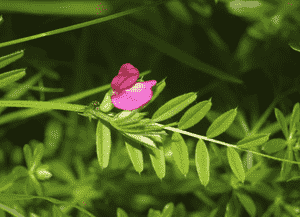
The optimal period for relocating common vetch is amidst the active development of mid to late spring, facilitating strong rooting. Select a location bathed in sunlight featuring soil that drains effectively. Should relocation be necessary, proceed gently to safeguard fragile root structures.
Essential Preparations Before Relocating Common Vetch
Optimal Timing for Common Vetch Relocation?
The best time to move common vetch is during the vibrant period of mid to late spring. This timeframe allows common vetch to establish its root system prior to the intense summer heat. Transplanting within this window boosts common vetch's development, utilizing mild temperatures and extended daylight, which collectively foster a prime growth surge for the plant. Introducing common vetch to your garden during this season sets the stage for vigorous and abundant growth!
Recommended Spacing Between Common Vetch Plants?
When preparing to transplant your common vetch, remember to provide ample room for its development. A good guideline is to aim for a separation of 2-3 feet (60-90 cm) between each plant. This spacing will help your plants grow robustly and healthily!
Ideal Soil Blend for Common Vetch Transplanting?
Before planting common vetch, ensure the soil is well-prepared. It thrives in well-drained soil, preferably loamy or sandy. Incorporate a suitable base fertilizer into the soil to supply essential nutrients. Be sure to mix it in thoroughly before transplanting!
Optimal Location for Relocating Your Common Vetch?
Sunlight is crucial for common vetch. Select a spot where it can receive full sun exposure for optimal growth. However, it can also endure partial shade. Plan accordingly to ensure your transplanting is successful!
Equipment Needed Before Transplanting Common Vetch
Gardening Gloves
To safeguard your hands while handling soil and common vetch.
Shovel or Spade
These are vital for excavating the new planting site and can also assist in extracting the plant from its original spot.
Garden Trowel
This tool is useful for managing small quantities of soil or for carefully digging around the roots.
Watering Can or Hose
These will be necessary to moisten the soil both before and after the transplanting process.
Wheelbarrow
This item is optional, but it can be helpful for transporting the common vetch to its new location.
Method for Extracting Common Vetch from the Ground?
Method for Extracting Common Vetch from the Ground?
From the Ground: Start by hydrating the common vetch plant and the surrounding earth. This will facilitate easier digging and provide the plant with moisture before its move. Use a shovel or spade to dig a wide trench around the plant, ensuring the root system remains intact. Gently lift the plant from the ground, keeping as much soil attached to the roots as possible.From a Pot: Water the common vetch and the soil within the pot. Then, tilt the pot sideways and carefully pull out the plant. If the plant is resistant, you can use a trowel to gently loosen the soil along the pot's edges.From a Seedling Tray: Water the common vetch and the soil in the seedling tray. This will make the seedlings simpler to remove. Gently lift the common vetch from the tray, taking care not to harm the delicate roots.
Step-by-Step Guide for Transplanting Common Vetch
Site Preparation
Clear any existing plant life from the new planting area, then dig a hole that is twice as wide and the same depth as the common vetch's root ball.
Planting
Position the common vetch in the center of the hole, ensuring the top of the root ball is level with the soil surface. Adjust the hole's depth if needed. Backfill the hole with the soil you previously excavated.
Watering
After planting, thoroughly water the common vetch to settle the soil around its roots. Avoid wetting the leaves or stem to prevent disease development.
Monitoring
Observe the common vetch closely over the subsequent weeks. Look for signs of stress or illness, and also confirm it receives adequate water as it establishes new roots in its new spot.
Post-Transplant Care for Common Vetch
Monitoring
For the initial weeks following transplant, common vetch will require regular checks to ensure it is adapting to its new surroundings. Indicators of successful transplant include new growth and vibrant, healthy foliage.
Watering
Consistent watering is vital in helping common vetch develop strong roots in its new location. Aim to keep the soil uniformly moist but prevent waterlogging.
Maintenance
After a couple of weeks, once common vetch appears well-adjusted in its new spot, begin pruning to maintain the plant's shape and size. Address pests and diseases immediately upon noticing any signs. Neglect can lead to irreversible damage.
Resolving Common Issues with Common Vetch Transplantation.
When is the best time to transplant common vetch?
The optimal season for relocating common vetch is during the intermediate stages S2-S3, typically late spring or early summer.
How much space should I leave between each common vetch when transplanting?
Ensure you allow approximately 2-3 feet (60-90cm) between each common vetch. This provides sufficient room for growth and good air circulation.
What should I look for in a transplanting spot for common vetch?
Select a site where common vetch receives ample sunlight. The soil should be well-draining, fertile, and rich in organic matter.
How deep should I plant common vetch while transplanting?
Bury the root system, making sure the top of the rootball is flush with the soil surface. Avoid planting too deeply.
What should I do if the leaves of common vetch start to wilt after transplanting?
Wilting often indicates transplant shock. Maintain consistent watering but avoid overwatering. The plant should recover over time.
Can I transplant common vetch during a hot day?
Transplanting in extreme heat can stress common vetch. It is best to transplant on a cooler, overcast day or in the late afternoon.
I think my common vetch is not growing after transplantation. What should I do?
Ensure common vetch receives sufficient water and sunlight. Also, consider a balanced fertilizer to encourage growth.
Should I prune common vetch before or after transplanting?
It's beneficial to lightly prune common vetch after transplanting. This will encourage healthier new growth and reduce water stress.
What should I do if insects are attacking common vetch after transplantation?
Use an organic or mild pesticide to treat the plant. Remember, healthy plants often have better resistance to pests and diseases.
How often should I water common vetch after transplanting?
Water common vetch thoroughly immediately after transplanting. Afterward, follow a regular watering schedule, ensuring the soil does not completely dry out.



