How to Transplant Broad bean?
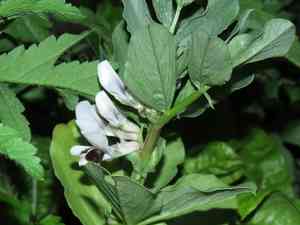
Choose mid-spring, when the sun's warmth graces the ground, to transplant broad bean. Place them in a sunny, protected location, and if cold persists, contemplate insulating them with mulch. This period is ideal for roots to establish themselves vigorously.
Essential Preparations Before Relocating Broad Bean
Optimal Timing for Broad Bean Transplant?
The best time to move broad bean is during mid-spring, a period guaranteeing a strong beginning. This is when temperatures are ideal, fostering vigorous growth in young plants. Transplanting then leverages longer days and mild weather, crucial for broad bean's successful development. Selecting this window provides broad bean with gentle adaptation, efficient growth, and a firmer base for future yields. A friendly reminder: this strategic timing will lead to a plentiful harvest, allowing broad bean to establish well before summer's heat arrives.
Required Spacing Between Broad Bean Plants?
New gardeners, it's vital to provide broad bean ample room for development. Aim for approximately 6-10 inches (15-25 cm) between each plant during transplantation. This prevents competition for nutrients and allows them to reach their full potential.
Best Soil Blend for Broad Bean Transplanting?
Soil preparation is critical for broad bean! They flourish in well-drained, fertile soil rich in organic matter. Before transplanting, enrich your soil with a foundational fertilizer to give them an advantage. Compost or aged manure works excellently!
Where to Replant Your Broad Bean?
When choosing a new spot for your broad bean, ensure the location receives abundant full sunlight daily. They love the sun and will reward you with robust growth and a generous harvest if they get enough! So, find the sunniest area in your garden.
Equipment Needed Before Transplanting Broad Bean?
Gardening Gloves
To safeguard your hands while handling the plant and soil.
Shovel Or Spade
Used for excavating broad bean from its original spot and preparing the new site.
Trowel
Useful for minor adjustments when preparing the new hole or extracting the broad bean plant from a smaller container.
Watering Can
For hydrating broad bean before and after its relocation.
Wooden Stakes and Gardening Twine
To provide support for broad bean stems as they begin to lengthen.
How to Extract Broad Bean from the Soil?
How to Extract Broad Bean from the Soil?
From Ground: First, lightly water the broad bean plant to moisten the soil. Use a gardening spade to dig around the plant, ensuring the root ball remains intact. Gently work your spade beneath the root ball to lift the plant from its initial position.From Pot: If broad bean is in a pot, ensure it's watered beforehand. Invert the pot while supporting the plant's stem and tap the rim until the plant slides out. Carefully cradle the root ball to prevent it from disintegrating.From Seedling Tray: For seedlings, water the tray and carefully separate each broad bean plant from its cell. Do this by pushing up from the bottom—avoid pulling on the stem or leaves.
Step-by-Step Guide for Relocating Broad Bean
Location Selection
Identify a site that meets broad bean's specific requirements and your garden's characteristics. Ensure it complements broad bean's growth habit and neighboring plants.
Digging Holes
Using your shovel, excavate holes twice as wide and slightly deeper than broad bean's root ball. The plant should sit at its previous growing level, or a bit deeper.
Transplanting
Position the broad bean plant in the center of the hole. Gently spread out the roots if necessary. Backfill the hole with the soil removed from it or a mixture of soil and compost.
Thorough Watering
Water the newly transplanted broad bean generously immediately after planting. This helps settle the soil around the roots and ensures the plant begins absorbing essential nutrients right away.
Support Installation
If needed, install supports using wooden stakes and gardening twine. This helps stabilize broad bean while its roots strengthen.
Post-Transplant Care for Broad Bean?
Watering
Keep broad bean well-hydrated, but avoid overly saturated conditions. The soil should stay moist, but not boggy.
Weed Management
Maintain a weed-free area around broad bean. Weeds may compete with your plant for nutrients, water, and light.
Disease and Pest Inspection
Regularly check broad bean's leaves for any indications of disease or pests. Early detection and treatment improve your plant's chances of survival.
Protection From Extreme Weather
Depending on weather conditions, you might need to shield young broad bean from intense heat or cold.
Support
As broad bean grows, verify that the supports are still effective. Adjust as needed.
Troubleshooting Common Broad Bean Transplantation Issues.
When is the best time to transplant broad bean?
The ideal period to transplant broad bean is during seasons 2 and 3. This aids the plant in establishing roots before temperature fluctuations.
What is the optimal spacing for transplanting broad bean?
Provide each broad bean approximately 6-10 inches (15-25 cm) of space. This ensures they receive sufficient sunlight and nutrients from the soil.
Are there specific soil requirements for transplanting broad bean?
Broad bean prefers well-drained soil with a pH between 6.0 and 7.0. Amend your soil with compost to enhance its nutrient content if necessary.
What if my transplanted broad bean droops or wilts?
Drooping or wilting after transplanting is a normal stress response. Keep the soil moist, ensure adequate sunlight, and prevent drastic temperature changes.
Why isn't my broad bean growing after transplant?
If your broad bean isn't growing, it might not be getting enough sunlight or nutrients. Root damage during transplanting could also be a factor.
Should I fertilize when transplanting broad bean?
Yes, applying a slow-release fertilizer during transplanting can provide broad bean with the necessary nutrients for a strong start. Avoid excessive fertilization to prevent root burn.
How do I water broad bean after transplanting?
Water thoroughly after transplanting broad bean. Regularly check the soil's moisture level – if the top 1 inch (2.5 cm) is dry, it's time to water.
What's the correct depth to transplant broad bean?
Seedlings should be planted up to their first set of leaves. Deep planting promotes root growth and stabilizes the young plant.
Can I transplant broad bean into a pot?
Absolutely! Just ensure the pot is at least 10 inches (25 cm) deep and has good drainage to prevent waterlogging.
Should I prune broad bean after transplanting?
Typically, broad bean doesn't require immediate pruning after transplanting. Pruning is usually done later to improve shape or remove dead or diseased parts.



