How to Transplant Carolina vetch?
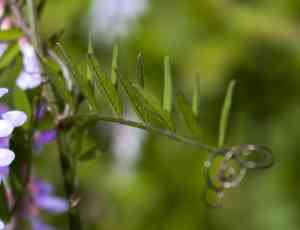
For optimal development of carolina vetch, the ideal period for relocation spans from mid-spring to late spring. This timeframe is characterized by warming earth and consistent atmospheric conditions conducive to root integration. Select a location featuring adequately draining earth and dappled sunlight. Careful manipulation throughout the procedure is crucial for favorable outcomes.
What Preparations are Needed Before Transplanting Carolina Vetch?
What is the Ideal Time for Transplanting Carolina Vetch?
The optimal period to relocate carolina vetch is from the peak of spring until just before summer commences. This timeframe provides carolina vetch with a mild yet warm reception in its new spot, fostering robust root development due to consistent temperatures and increasing daylight. Moving carolina vetch then allows it to establish itself prior to the full heat of summer, ensuring a vigorous growth season ahead.
How Much Space Should You Leave Between Carolina Vetch Plants?
When relocating your carolina vetch, allow ample room for growth by positioning them 10-12 inches apart (25-30 cm). This spacing ensures each plant has sufficient area to develop strongly and healthily!
What is the Best Soil Mix for Carolina Vetch Transplanting?
Prepare an inviting bed for your carolina vetch by utilizing well-draining soil enriched with compost or a balanced slow-release fertilizer. This will establish an excellent foundation for development and vigor!
Where Should You Relocate Your Carolina Vetch?
Locate a sunny area that receives partial shade for your carolina vetch. A spot that gets filtered sunlight throughout the day is perfect, promoting lush growth while shielding the plants from intense midday sun!
What Equipments Should You Prepare Before Transplantation Carolina Vetch?
Gardening Gloves
To safeguard your hands while handling soil and plants.
Shovel or Spade
For excavating and lifting the plant from its initial position.
Pruning Shears
For trimming any damaged roots or excessive top growth prior to relocation.
Wheelbarrow or Garden Cart
To transport the plant and soil.
Watering Can or Hose
To hydrate the plant before and after the move.
Plant Support Stakes
To offer stability for the carolina vetch if required post-transplant.
How Do You Remove Carolina Vetch from the Soil?
How Do You Remove Carolina Vetch from the Soil?
From Ground: First, moisten the carolina vetch plant to soften the soil, making extraction easier. Dig a wide trench around the plant with a shovel or spade, taking care to avoid harming the root ball. Gently work the tool beneath the root ball and carefully lift the plant from the ground.From Pot: Water the carolina vetch thoroughly, then turn the pot on its side and gently tap the edges to loosen the soil. Support the plant's base with one hand and use the other to carefully slide the plant out of the pot.From Seedling Tray: Water the seedlings to ensure the soil is damp, which facilitates removal. Use a gardening tool or your fingers to gently separate individual carolina vetch plants from their cells with minimal root disturbance.
Step-by-Step Guide for Transplanting Carolina Vetch
Preparation
Ensure the new planting location for the carolina vetch is ready to receive the plant, with a hole large enough to accommodate its root ball without constriction. The hole should be as deep as the root ball and twice its width to allow for root expansion. Level the bottom of the hole so the plant will sit at the same depth as it was previously growing. If the ground is very dense, loosen it slightly to allow roots to more easily penetrate the surrounding soil. Consider the plant's mature size for spacing to prevent overcrowding and ensure adequate air circulation. Work in the morning or late afternoon to avoid the day's heat which could stress the plant.
Plant Removal
Using the appropriate method from the 'removal process' section, depending on whether the carolina vetch originates from the ground, a pot, or a seedling tray, extract the plant while preserving as much of the root system as possible.
Root Preparation
Gently inspect the root ball, and if the roots are tightly packed or circling, carefully loosen them a bit to encourage outward growth. Trim away any broken or excessively long roots.
Planting
Position the carolina vetch in the center of the prepared hole, ensuring it is upright and at the correct depth. Begin backfilling the hole with soil. After backfilling halfway, water the hole to settle the soil and eliminate any air pockets. Continue to backfill until the hole is full, and gently firm the soil around the base without over-compacting it.
Support
If the carolina vetch is tall or top-heavy, insert plant support stakes into the soil at this time to provide stability.
Watering
Once the carolina vetch is in place and properly backfilled, water it generously to help alleviate transplant shock and to settle any remaining air pockets in the soil.
How Do You Care For Carolina Vetch After Transplanting?
Initial Watering
Water the carolina vetch thoroughly immediately after transplanting to help settle the soil and ensure good contact between roots and soil. Continue to provide water to maintain consistent moisture without over-saturating, as regular watering is vital in the initial weeks while the plant establishes itself.
Mulching
Apply a layer of organic mulch around the base of the carolina vetch to help retain soil moisture, regulate soil temperature, and suppress weed growth. Keep the mulch a few inches away from the stem to prevent rot.
Observation
Regularly inspect the plant for signs of distress, such as wilting or discolored leaves, and take corrective measures if necessary. Be vigilant for pests or diseases and address them promptly to ensure the health of the carolina vetch.
Adjusting Support
Check and adjust any plant supports as the carolina vetch grows to ensure it remains stable and secure.
Troubleshooting Common Issues with Carolina Vetch Transplantation.
What's the best time to transplant carolina vetch for optimal growth?
Relocate carolina vetch when spring is in full swing, ideally from mid to late spring for best establishment.
How far should I space carolina vetch when transplanting?
Allow each carolina vetch ample room to thrive by spacing them 10-12 inches (25-30 cm) apart.
What should I do if carolina vetch wilts after transplanting?
Ensure carolina vetch remains hydrated with gentle watering and protection from intense midday sun for recovery.
Why are my transplanted carolina vetch plants not thriving?
Examine soil drainage, sunlight exposure, and watering habits to diagnose health issues with carolina vetch.
How deep should I dig the hole for transplanting carolina vetch?
Excavate a hole for carolina vetch that is as deep as the root ball and twice as wide to encourage growth.
Can I transplant carolina vetch on a hot day?
Avoid high temperatures. Choose a cool, overcast day or late afternoon for relocating carolina vetch to minimize stress.
Is it necessary to amend the soil when transplanting carolina vetch?
Yes, enriching the soil with compost can provide carolina vetch with nutrients for a healthy start.
How do I prepare carolina vetch for transplanting?
Water carolina vetch thoroughly the day before moving to ease the transition and reduce transplant shock.
What's the sign of overwatering carolina vetch after transplanting?
Look for yellowing leaves or a soft base, which could indicate excessive moisture for carolina vetch.
Should I prune carolina vetch when transplanting?
Pruning is generally not required when relocating carolina vetch, but remove any damaged or diseased foliage.



