How to Transplant Cheder ebs?
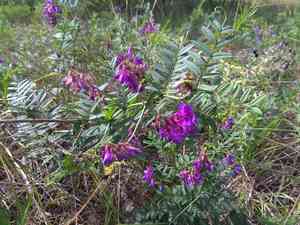
Cheder ebs, a perennial species, flourishes when relocated between early and mid-spring. Choose a bright location featuring soil that drains effectively. Should it be required, handle the root system with care to guarantee proper integration.
Necessary Preparations Before Relocating Cheder Ebs?
Optimal Period for Relocating Cheder Ebs?
For cheder ebs, the best time for relocation spans from early spring to its mid-point. This timing enables the plant to establish its root system prior to the summer heat. Moving it during this period offers the benefit of cooler temperatures and increased soil moisture, promoting smoother adaptation and vigorous growth of cheder ebs.
Required Spacing Between Cheder Ebs Plants?
When relocating cheder ebs, aim for a spacing of 12-18 inches (30-45 cm) between them. This provides sufficient room for the plants to grow and flourish without overcrowding.
Best Soil Blend for Cheder Ebs Relocation?
Prepare soil that drains well and is rich in organic material for cheder ebs. Incorporate a balanced and nourishing base fertilizer to support healthy development.
Where to Replant Your Cheder Ebs?
Select a location with full to partial sun exposure for relocating cheder ebs. Target an area that receives at least 4-6 hours of sunlight daily to ensure the plants get adequate energy for growth.
Equipment to Prepare Before Relocating Cheder Ebs?
Gardening Gloves
To safeguard your hands while handling soil and plants.
Shovel or Spade
For excavating around and lifting the plant.
Watering Can or Hose
To moisten the soil before extraction and hydrate the plant post-relocation.
Trowel
For managing smaller plants or working in confined areas.
Wheelbarrow
To move the plant if the distance to its new spot is considerable.
Mulch
To aid in moisture retention and weed control around the relocated plant.
Stakes and Ties
To provide support to the plant in its new setting if required.
How to Extract Cheder Ebs from the Soil?
How to Extract Cheder Ebs from the Soil?
From Ground: First, hydrate the cheder ebs plant to moisten the soil. Then, excavate a wide trench around the plant using a shovel or spade, ensuring the plant's root ball remains intact. Carefully maneuver the spade beneath the root ball to lift the plant from its original position.From Pot: Thoroughly water the cheder ebs plant. Gently tilt the pot on its side and carefully slide out the plant, supporting the main stem. If the plant is root-bound, gently loosen the roots with your fingers before relocating.From Seedling Tray: Ensure the tray's soil is damp. Use a trowel or your fingers to carefully lift each cheder ebs seedling by its leaves or root ball. Avoid pulling by the stem to prevent damage.
Step-by-Step Guide for Relocating Cheder Ebs
Prepare New Site
Dig a hole twice the size of the cheder ebs's root ball in its new location.
Check Fit
Position the cheder ebs plant in the hole to verify the fit. The top of the root ball should be level with the ground surface.
Add Soil
Backfill the hole with soil around the cheder ebs plant, gently firming it to remove air pockets.
Water
Thoroughly water the cheder ebs plant to help settle the soil around its roots.
Mulch
Apply a layer of mulch around the base of the cheder ebs plant to retain moisture and deter weeds.
Support
If necessary, use stakes and ties to provide support to the cheder ebs plant, especially if it is tall or has a weak stem.
Post-Relocation Care for Cheder Ebs?
Watering
Keep the soil around the cheder ebs consistently damp, but not waterlogged, for the initial weeks after relocation to aid in root establishment.
Monitoring
Regularly inspect your cheder ebs plant for any indications of stress such as wilting or yellowing leaves, and adjust care as needed.
Pruning
Remove any dead or damaged foliage to help the plant direct its energy towards new growth.
Mulch Maintenance
Ensure the mulch layer remains intact and replenish if necessary to continue protecting soil moisture and reducing weeds.
Resolving Common Issues with Cheder Ebs Relocation.
When is the optimal time to relocate cheder ebs?
Early to mid-spring is ideal due to favorable growth conditions and reduced stress.
What spacing should I use for cheder ebs during relocation?
Space cheder ebs 12-18 inches (30-45 cm) apart for optimal growth and air circulation.
Which soil type is best for cheder ebs during relocation?
Cheder ebs thrives in well-drained, fertile soil enriched with organic matter for robust root development.
How do I prepare cheder ebs for relocation?
Water cheder ebs thoroughly a day before and gently remove it, keeping the root system intact.
What depth should I plant cheder ebs during relocation?
Plant cheder ebs at its previous growing depth to prevent stem stress.
What if cheder ebs wilts after relocation?
Provide ample water and partial shade to help cheder ebs recover from relocation shock and reestablish roots.
How can I prevent cheder ebs from relocation shock?
Relocate in cooler weather, water well, and mulch around cheder ebs to retain soil moisture.
Should I fertilize cheder ebs immediately after relocation?
Wait a few weeks before fertilizing cheder ebs; this allows roots to acclimate without burning them.
Is it necessary to prune cheder ebs before relocation?
Prune any damaged or leggy growth to help cheder ebs focus energy on establishing a new root system.
What tools are essential for relocating cheder ebs?
Use a trowel, gardening gloves, and a watering can for a smooth relocation process.



