How to Transplant Laurustinus?
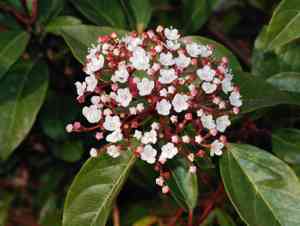
The ideal period for relocating laurustinus is from late spring to early summer, enabling the plant to develop robust roots. To achieve optimal outcomes, select a new site for laurustinus that features soil with good drainage and receives partial to ample sunlight. Crucially, ensure delicate treatment of its root structure!
What Preparations are Needed Before Transplanting Laurustinus?
What is the Ideal Time for Transplanting Laurustinus?
The optimal period to relocate laurustinus is from late spring through early summer. This timeframe provides an excellent mix of warmth and moisture, fostering root development. Moving laurustinus during this season leads to more robust and vigorous growth, improving its overall look. Remember, proper timing for relocation significantly contributes to laurustinus's success!
How Much Space Should You Leave Between Laurustinus Plants?
When moving laurustinus, ensure a spacing of approximately 3-4 feet (90-120 cm) between them. This distance supports proper development and guarantees sufficient access to resources for flourishing.
What is the Best Soil Mix for Laurustinus Transplanting?
To prepare the ground for laurustinus, incorporate well-draining, loamy soil with some organic material or compost. Add a slow-release, granular base fertilizer to enrich the earth and supply vital nutrients for healthy development.
Where Should You Relocate Your Laurustinus?
Select a spot with partial to full sun exposure for your laurustinus transplant. Morning sun with afternoon shade is perfect, but don't fret too much – this resilient plant can adapt to various light conditions!
What Equipments Should You Prepare Before Transplantation Laurustinus?
Gardening Gloves
To safeguard your hands while handling soil and the plant.
Spades or Shovel
These are necessary to carefully excavate and remove the laurustinus from its initial spot and create a new space for it in the ground at its new location.
Garden Trowel
You'll need this for more precise digging around the root system.
Pruning Shears
These might be required to trim any damaged roots or branches during the transplanting process.
Watering Can
For adequately hydrating laurustinus during and after the procedure.
Wheelbarrow or Container
To move the plant from one place to another.
Bubble Wrap or Burlap
These materials can be used to encase the root ball of the laurustinus during transit for added protection.
How Do You Remove Laurustinus from the Soil?
How Do You Remove Laurustinus from the Soil?
From Ground: First, hydrate the laurustinus plant to moisten the soil. This facilitates the extraction process. Next, using a spade or shovel, dig a wide trench around the laurustinus, being careful not to harm the root ball. Work the spade beneath the root ball to gently lift the plant from its original position. After extraction, wrap the root ball with bubble wrap or burlap to ensure it stays moist and intact during transport.From Pot: If your laurustinus is in a container, ensure the soil is slightly damp, then attempt to remove the plant along with the soil by inverting the pot and giving it a gentle tap. Try to retain as much of the original soil as possible. If the plant seems stuck, carefully run a knife or trowel along the inner edge of the pot to loosen it.From Seedling Tray: If the laurustinus plant is still small from propagation, use a trowel or your fingers to loosen the soil and lift the seedling with its root system intact. Be gentle and avoid touching the stem or roots as much as possible.
Step-by-Step Guide for Transplanting Laurustinus
Preparation
Begin by getting the new site ready. Dig a hole that is twice as wide and the same depth as the laurustinus's root ball.
Placement
Position the laurustinus in the hole. Ensure the top of the root ball is level with the ground. Adjust the soil beneath the root ball if needed.
Backfill
Fill the space around the plant with soil, gently firming it down as you proceed. Avoid over-compacting the soil, as this could impede laurustinus's growth.
Watering
Water thoroughly after planting, making sure the soil is moist but not waterlogged. Ensure the water penetrates deeply into the hole to encourage root growth and establishment.
Mulching
Finally, apply a layer of organic mulch (keeping it away from the stem) to help retain moisture and control weeds.
How Do You Care For Laurustinus After Transplanting?
Watering
Maintain consistent soil moisture for the initial few weeks or until new growth indicates laurustinus is settling in. Afterward, water less often but deeply, saturating the entire root zone.
Pruning
It's best to avoid pruning immediately after transplanting to allow the plant to prioritize root establishment. Once the laurustinus is settled and shows signs of growth, feel free to trim to maintain a desired form.
Disease and Pest Control
Always watch for any signs of distress such as wilting, yellowing, or disease. Address any pest or disease issues promptly to ensure your plant's health. If uncertain about any symptoms, consult a local nursery or extension service.
Troubleshooting Common Issues with Laurustinus Transplantation.
When is the best time to transplant laurustinus?
Relocate laurustinus in the latter part of spring or the initial weeks of summer for optimal development.
How much space should I leave between laurustinus plants during transplanting?
Provide laurustinus plants ample room to grow by spacing them approximately 3-4 feet (90-120 cm) apart.
Is it important to provide plenty of water to laurustinus after transplanting?
Yes, absolutely! Watering laurustinus generously after transplanting is crucial for root establishment.
Can laurustinus plants handle transplant shock? What precautions should I take?
Laurustinus can experience transplant shock like any plant. Ensure minimal root damage and consistent aftercare.
What is the ideal soil for transplanting laurustinus?
Laurustinus prefers well-draining soil but can adapt to various soil types. Ensure the soil is fertile and well-aerated.
How deep should the hole be for transplanting laurustinus?
The planting hole should be about twice as wide and just as deep as the laurustinus's root ball.
Can laurustinus be divided for transplanting?
Laurustinus can be propagated by semi-hardwood cuttings or seed, but dividing for transplanting is not typical.
How to care for laurustinus post-transplant?
Keep laurustinus hydrated, especially during dry periods. Mulch around the base to retain moisture and suppress weeds.
Will laurustinus still bloom after transplanting the same year?
Blooming depends on the plant's stress level and overall health. Ensure proper post-transplant care to encourage flowering.
Can laurustinus be transplanted in containers?
Absolutely, laurustinus can adapt well to pots. Ensure good drainage and sufficient space for growth, however.



