How to Transplant Leatherleaf viburnum?
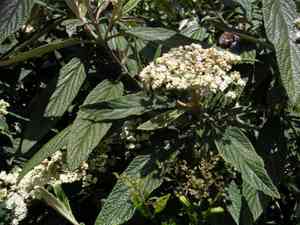
The optimal period for transplanting leatherleaf viburnum is from early to mid-spring, utilizing the temperate conditions for root development. Select a location offering partial shade to full sunlight and soil that drains effectively. Provide steady hydration after moving the plant to facilitate successful adaptation.
Necessary Preparations Before Relocating Leatherleaf Viburnum?
Optimal Timing for Moving Leatherleaf Viburnum?
The ideal time for transplanting leatherleaf viburnum is during nature's revival â early to mid-spring. This period offers leatherleaf viburnum the best chance to establish itself in a new location, utilizing the cooler, moist spring weather to foster strong root development. With reduced stress from heat and intense summer sun, your plant can focus on comfortable settling. It's a prime opportunity for leatherleaf viburnum to flourish, maximizing the upcoming long growing season. Moving leatherleaf viburnum as frost recedes and soil warms ensures a smooth transition between garden spots.
Required Spacing Between Leatherleaf Viburnum Plants?
When preparing the soil area for leatherleaf viburnum, allow approximately 10 to 15 feet (3 - 4.5 meters) of distance between each plant. This will provide leatherleaf viburnum ample room to grow and thrive.
Best Soil Mixture for Leatherleaf Viburnum Transplanting?
Before transplanting leatherleaf viburnum, ensure the soil is well-draining and rich in organic material. A foundational fertilizer, such as compost or aged manure, will provide a nutrient-rich beginning for leatherleaf viburnum.
Where to Replant Your Leatherleaf Viburnum?
When selecting a site for leatherleaf viburnum, remember it prefers partial to full sun exposure. However, leatherleaf viburnum also tolerates shaded conditions. Choose the most suitable spot based on available sunlight in your garden.
Equipment to Prepare Before Transplanting Leatherleaf Viburnum?
Gardening Gloves
These are essential for protecting your hands from scrapes and dirt while handling the plant and working with soil.
Shovel or Garden Spade
You'll need this tool to excavate the leatherleaf viburnum from its original spot and to prepare the new planting hole.
Garden Fork
It can be useful for aerating the soil around the plant to loosen it, especially if it's compacted.
Wheelbarrow or Plant Pot
For transporting the leatherleaf viburnum from its initial location to the new one.
Watering Can or Garden Hose
To hydrate the plant both before and after the transplanting process.
Pruners
To trim away any damaged roots or growth prior to transplanting.
Mulch
To help retain soil moisture after placing the leatherleaf viburnum in its new position.
How to Extract Leatherleaf Viburnum from the Soil?
How to Extract Leatherleaf Viburnum from the Soil?
From Ground: Start by watering the leatherleaf viburnum to moisten the soil, making digging easier and protecting the roots from harm. Dig a trench around it with a garden spade, ensuring its root ball remains intact. Aim to retrieve as much of the root ball as possible, as this will aid the plant's quicker recovery after transplanting. From Pot or Seedling Tray: If the leatherleaf viburnum is in a pot or seedling tray, water it thoroughly first. Then, turn the pot sideways, gently hold the plant by its base, and tap the bottom of the pot to loosen it. If feasible, try to keep the root ball and soil undisturbed for minimal disruption. Note: If the roots are 'root bound' (circling within the pot), you might need to gently untangle them before planting.
Step-by-Step Guide for Transplanting Leatherleaf Viburnum
Digging the Hole
Begin by excavating a hole in your chosen spot, making it 2-3 times wider than the leatherleaf viburnum's root ball but no deeper.
Plant Placement
Position the plant in the hole, ensuring the top of the root ball is level with or slightly above the ground to prevent water accumulation around the stem.
Backfilling
Use the excavated soil to refill around the plant, gently firming the soil with your hands to eliminate large air pockets.
Watering
Water thoroughly after planting to settle the soil around the roots and give the leatherleaf viburnum a strong start in its new location.
Mulching
Apply a layer of mulch around the plant's base (without touching the stem) to help retain moisture and suppress weeds.
Post-Transplant Care for Leatherleaf Viburnum?
Root Care
Minimizing root disturbance during transplanting is crucial for leatherleaf viburnum's faster recovery. If roots were trimmed, avoid fertilizing until new growth appears.
Watering
Consistent and ample watering is vital as the leatherleaf viburnum establishes its root system. The soil should always stay moist, but not waterlogged.
Pruning
Remove any dead or damaged branches that might deplete the plant's energy. Note that pruning immediately after transplanting can help reduce water loss through transpiration.
Pests and Disease Monitoring
Regularly inspect the plant for signs of disease or pest infestation. Early detection allows for effective treatment and quick recovery of the leatherleaf viburnum.
Patience
Remember, it's normal for the plant to exhibit signs of transplant shock, such as wilting and leaf drop. Provide it with time and proper care, as it may take up to a year for the leatherleaf viburnum to fully adapt to its new home.
Resolving Common Issues with Leatherleaf Viburnum Transplantation.
When is the best time to transplant leatherleaf viburnum?
The optimal period to move leatherleaf viburnum is from early to late spring (S1-S2). Transplanting during this window allows the plant sufficient time to establish roots before winter.
How should I space leatherleaf viburnum during transplant?
When relocating leatherleaf viburnum, provide each plant ample room to grow. Ideally, each should have 10-15 feet (3-4.5 meters) between them to accommodate full development.
What should be the depth of the hole when transplanting leatherleaf viburnum?
The hole for leatherleaf viburnum should be twice the size of the root ball but not any deeper. Maintain a planting depth similar to its original position to prevent root rot.
What soil conditions does leatherleaf viburnum prefer?
Leatherleaf viburnum thrives in well-draining soil. If your soil retains too much water, consider amending it with organic matter to enhance drainage and prevent root rot.
What to do if roots of leatherleaf viburnum are bound in the pot?
If leatherleaf viburnum's roots are pot-bound, gently untangle them before planting. This will encourage the roots to spread and establish quickly in their new spot.
How to water leatherleaf viburnum after transplanting?
Thoroughly soak the soil around leatherleaf viburnum after transplanting. Keep it consistently moist but not waterlogged. Adjust watering based on rainfall and the plant's needs.
Why are my transplanted leatherleaf viburnum leaves wilting?
Wilting in leatherleaf viburnum after transplant is common as the plant adjusts to its new environment. Consistent care, watering, and patience should lead to the plant's recovery over time.
Do I need to trim leatherleaf viburnum after transplanting?
Trimming isn't essential after transplanting leatherleaf viburnum. However, you might want to remove any damaged or diseased branches to promote overall health and better growth.
Should I fertilize leatherleaf viburnum after transplanting?
Avoid fertilizing leatherleaf viburnum immediately after transplanting. Wait until you observe new growth in the plant, indicating it's settling into its new home.
How can I minimize transplant shock in leatherleaf viburnum?
To minimize transplant shock in leatherleaf viburnum, properly prepare the new site, handle the plant gently during the move, and provide adequate water and care after planting.



