How to Transplant Japanese snowball?
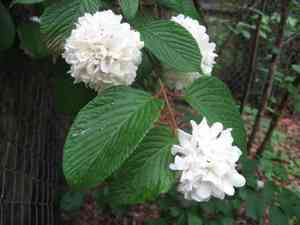
The ideal period for relocating japanese snowball is in late spring, as its vigorous development commences. Select a partially shaded spot with soil that drains effectively for its new placement. Bear in mind, tender and continuous attention is crucial for a thriving transplant.
Essential Preparations Before Relocating Japanese Snowball?
When is the Optimal Time to Move Japanese Snowball?
The ideal period for relocating japanese snowball is during the latter part of spring. This is when the plant is emerging from winter dormancy but hasn't yet encountered the intense summer heat. This timing offers japanese snowball prime conditions to establish its root system in the new spot before facing summer's full stress. Additionally, the soil is often most manageable in late spring, simplifying the transplanting process. By moving it during this recommended window, the chances of success are greatly enhanced. Cultivate your garden with care, and it will flourish in return!
What is the Recommended Spacing Between Japanese Snowball Plants?
To ensure your japanese snowball has ample room to develop, position them 6-10 feet (1.8-3 meters) apart when transplanting. This spacing will support a robust root system and abundant blooms.
What is the Best Soil Mixture for Japanese Snowball Transplanting?
For optimal outcomes, select a well-draining loamy or sandy soil. Enhance it with a generous quantity of organic matter and a balanced, slow-release fertilizer to promote vigorous growth.
Where Should You Replant Your Japanese Snowball?
Relocate your japanese snowball to a spot with partial to full sun exposure. It will thrive with approximately 4-6 hours of sunlight daily, ensuring vibrant flowers and overall vitality.
What Tools Are Necessary Before Transplanting Japanese Snowball?
Gardening Gloves
To safeguard your hands while working with soil and handling japanese snowball.
Garden Shovel or Spade
Needed to loosen the earth and excavate holes and trenches.
Pruning Shears
To trim excess branches of japanese snowball before transplanting, reducing stress on the plant.
Garden Hose or Watering Can
For hydrating the plant once it has been moved.
Mulch
To apply a layer around the plant after transplanting for moisture retention.
Rooting Hormone
Aids in stimulating root development in japanese snowball during the transplanting procedure.
How Do You Extract Japanese Snowball from the Ground?
How Do You Extract Japanese Snowball from the Ground?
From Ground: Thoroughly water the japanese snowball plant the day before transplanting. This will facilitate easier removal and minimize stress. The following day, carefully dig a wide trench around the plant using a garden spade, ensuring the root ball remains intact. Work the spade beneath the root ball to lift the plant from its original position.From Pot: First, water your japanese snowball in its container to moisten the soil. Place your hand at the base of the stem, then gently tip the pot and ease the plant out, trying not to disturb the roots excessively.From Seedling Tray: Water the seedlings well before transplanting. Confirm your japanese snowball seedlings are ready by checking for 2-3 leaves. Then, squeeze the tray to loosen the soil and carefully lift them out, gently holding the leaves rather than pulling the stem or roots.
Step-by-Step Guide for Relocating Japanese Snowball
Pruning
Utilize pruning shears to trim a few of the japanese snowball branches. This will reduce the amount of stress the plant experiences during the move.
Prepare the New Location
Dig a hole at your chosen site using a garden spade. The hole should be twice the width of the plantâs root ball and of the same depth.
Plant Placement
Carefully position japanese snowball in the hole. It should rest at the same soil level as it did in its previous spot.
Secure the Plant
Backfill the hole with soil, gently firming it around the base of japanese snowball with your hands.
Watering
Use your garden hose or watering can to thoroughly hydrate the plant.
Apply Mulch
Spread a layer of mulch around the plant to help maintain soil moisture and inhibit weed growth.
How Do You Care For Japanese Snowball After Relocation?
Monitoring
Regularly check on the japanese snowball to observe its adaptation to the new environment. Look for any indications of transplant shock such as wilting, yellowing, or shedding leaves.
Additional Watering
The recently transplanted japanese snowball will require more water than established plants, particularly in warm weather â but be cautious not to overwater. Only irrigate when the soil feels dry to the touch.
Avoid Immediate Fertilization
Wait at least one month before fertilizing your transplanted japanese snowball to prevent root burn.
Weather Protection
If harsh weather is anticipated soon after transplanting, you might need to provide temporary protection using a plant guard or cover.
Troubleshooting Common Issues with Japanese Snowball Transplantation.
What is the best time of year to transplant japanese snowball?
The optimal period to reposition japanese snowball is late spring, after blooming has finished but while the weather remains mild.
How much space should be left between japanese snowball plants?
Ensure japanese snowball are planted 6-10 feet (approximately 1.8-3 meters) apart. This provides them adequate room to grow and spread.
How deep should I dig a hole when transplanting japanese snowball?
Excavate a hole that is twice as wide and equally as deep as japanese snowball's root ball. This allows ample space for the roots to expand and establish.
How should I prepare the soil for japanese snowball?
Incorporate organic matter such as compost into the soil. This significantly enhances soil fertility, and japanese snowball will establish more healthily and quickly in nutrient-rich soil.
What's the best method to lift japanese snowball for transplantation?
Carefully dig around the root ball, then lift japanese snowball from the ground. Avoid damaging the roots as they are crucial for the plant's recovery.
What should I do if the transplanted japanese snowball wilts after planting?
Don't be concerned, slight wilting after transplanting japanese snowball is normal. Keep it well-watered and ensure it's not exposed to extreme sun or wind until it stabilizes.
What steps should I take to care for japanese snowball after transplantation?
Water japanese snowball deeply after transplanting to give it a strong start. Continue to water regularly, especially during dry spells, and closely monitor its development.
What if japanese snowball doesn't thrive after transplantation?
Unsatisfactory growth might indicate a lack of fertilizer. Apply a balanced slow-release fertilizer around the base of japanese snowball, adhering to package instructions.
How crucial is sunlight for japanese snowball's growth after transplantation?
Japanese snowball requires ample sun, ideally 6 or more hours daily. However, some partial shade can be beneficial in regions with hot and arid climates.
Should I prune japanese snowball after transplanting?
Only prune damaged or diseased branches after transplanting. Retain healthy ones, as these will assist japanese snowball in acclimating and stabilizing in its new location.



