How to Transplant Sweet viburnum?
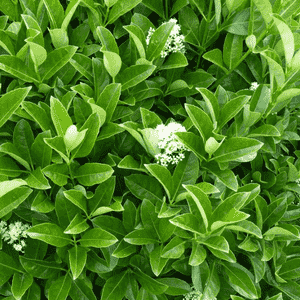
The optimal period for relocating sweet viburnum is from mid to late summer, a time of vigorous development. Confirm that the new site offers ample sunlight and soil with good drainage. Maintain consistent moisture levels for sweet viburnum's root system to facilitate a smooth adjustment. Enjoy your transplanting!
What Preparations are Needed Before Transplanting Sweet Viburnum?
What is the Ideal Time for Transplanting Sweet Viburnum?
The period from 'peak summer to late warm season' is best for relocating sweet viburnum. This timing benefits sweet viburnum by coinciding with its active growth phase, ensuring a smoother adjustment and successful establishment. Remember, good preparation makes a big difference!
How Much Space Should You Leave Between Sweet Viburnum Plants?
When moving sweet viburnum, it's best to position them approximately 5-10 ft (1.5-3 m) apart. This ensures ample room for their development and root expansion!
What is the Best Soil Mix for Sweet Viburnum Transplanting?
For sweet viburnum, well-draining soil is optimal, featuring a blend of clay, sand, and loam. Enrich the soil with organic matter like compost and incorporate a slow-release, balanced fertilizer (10-10-10) for an excellent start!
Where Should You Relocate Your Sweet Viburnum?
Select a spot that receives full sun to partial shade for your sweet viburnum! Ideally, it should get about 4-6 hours of sunlight daily, but it can also endure some shade.
What Equipments Should You Prepare Before Transplantation Sweet Viburnum?
Spade or Shovel
For excavating holes and loosening the earth around the sweet viburnum.
Gardening Gloves
To safeguard your hands while handling the soil and plant.
Pruning Shears
For trimming any damaged or dead roots prior to relocation.
Watering Can
To hydrate the sweet viburnum both before and after its move.
Wheelbarrow
For moving the sweet viburnum (if it is large) from its original spot to its new one.
Organic Mulch
To aid in retaining soil moisture around the plant following transplantation.
Stake and Ties
These might be necessary to offer extra support to the sweet viburnum after transplanting, especially for bigger or taller specimens.
How Do You Remove Sweet Viburnum from the Soil?
How Do You Remove Sweet Viburnum from the Soil?
From Ground: Begin by watering the sweet viburnum the day before to moisten the soil. This will facilitate keeping the plant's root ball intact during the relocation process. Dig a wide trench around the plant using a spade or shovel, ensuring the plant's root ball remains undisturbed. Be as gentle as possible to prevent root damage.From Pot: Water the sweet viburnum thoroughly to loosen the soil, then carefully tip the pot and slide the plant out. Avoid pulling on the plant as this can harm the root system.From Seedling Tray: Water the tray well before starting. Hold the sweet viburnum by its leaves (not the stem) and gently push it from beneath the tray. The seedling and its roots should easily emerge.
Step-by-Step Guide for Transplanting Sweet Viburnum
Preparation
Moisten the soil in the new planting site, then dig a hole twice as wide and equally deep as the sweet viburnum's root ball.
Inspection
Examine the sweet viburnum's roots for any indications of disease or damage. Use your gardening shears to trim away any dead or unhealthy-looking roots.
Planting
Position the sweet viburnum in the hole, ensuring the top of the root ball is level with the surrounding soil surface. Backfill the hole with the excavated soil, pressing down gently to stabilize the plant.
Watering
Water the sweet viburnum immediately after planting, allowing the water to absorb before adding more. This will help the soil settle around the roots.
Mulching
Apply a layer of organic mulch around the base of the sweet viburnum to help retain soil moisture and regulate soil temperature. Be careful not to pile the mulch against the plant's stem as this can promote rot.
How Do You Care For Sweet Viburnum After Transplanting?
Watering Guide
During the initial weeks after transplanting, ensure the soil around the sweet viburnum is consistently damp but not waterlogged. Afterward, gradually decrease watering as the plant establishes itself.
Pruning
Lightly prune the sweet viburnum after transplanting to reduce its water needs and help it establish roots more quickly. Regular pruning in later growth stages will also be necessary to maintain the plant's health and appearance.
Frost Protection
If a late frost is anticipated, covering the sweet viburnum with a cloth or plastic sheet at night can help shield it. Remove the cover each morning once the frost has melted.
Troubleshooting Common Issues with Sweet Viburnum Transplantation.
What is the best time to transplant sweet viburnum?
The optimal period for relocating sweet viburnum is from mid to late summer. This offers an ideal climate for the plant to develop its root system.
How much space should I give when planting multiple sweet viburnum?
When planting several sweet viburnum, maintain a distance of approximately 5 to 10 feet (1.5 to 3 meters) between them. This provides ample room for the plants to expand without overcrowding.
How should I prepare the soil before transplanting sweet viburnum?
The soil should be well-draining, loamy or sandy. You can enhance the soil by incorporating organic matter or compost. It's best to adjust the pH to be slightly acidic.
What's the proper way to remove sweet viburnum from its original pot for transplanting?
Attempt to slide sweet viburnum out with as much soil as possible still attached to the roots. If it's stuck, gently tap the sides and bottom of the pot until the plant dislodges.
How deep should the hole be when transplanting sweet viburnum?
The hole should be about twice the width of sweet viburnum's root ball and the same depth. This allows space for roots to spread comfortably and establish properly.
What are the watering needs of sweet viburnum after transplanting?
Sweet viburnum requires consistent watering after transplanting, but avoid saturating the soil. Allow the top 2 inches (5 cm) of soil to dry out between waterings to prevent root rot.
What type of environment does sweet viburnum prefer post-transplant?
Sweet viburnum thrives in a sunny or lightly shaded location. It can tolerate some frost, but for optimal growth and flower production, a mild to moderately warm environment is ideal.
How long should I wait to fertilize sweet viburnum after transplanting?
Allow sweet viburnum about 4-6 weeks to settle after transplanting, then begin applying a balanced, slow-release fertilizer to encourage healthier growth.
Why are the leaves of my transplanted sweet viburnum turning yellow?
Yellowing leaves might indicate overwatering or inadequate drainage. Double-check your watering routine and ensure the plant is not sitting in water, which could lead to root damage.
How can I encourage my transplanted sweet viburnum to flower?
Ensuring ample sunlight, sufficient water, and providing a balanced fertilizer increases the likelihood of your sweet viburnum flowering post-transplant. Pruning old growth can also help stimulate blooming.



