How to Transplant Mapleleaf viburnum?
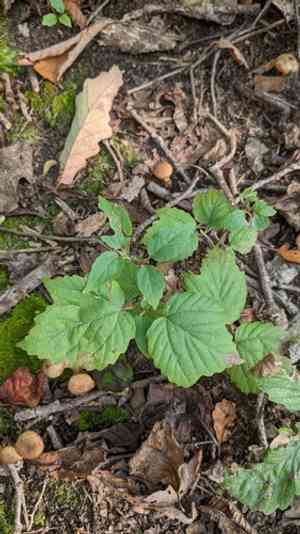
To ensure successful integration, the ideal period for relocating mapleleaf viburnum is during the vibrant early to mid-spring, when its growth capacity is maximized. Select a shaded location featuring soil that drains effectively. Careful management of the root system will aid in a more seamless adjustment.
What Preparations are Needed Before Transplanting Mapleleaf Viburnum?
What is the Ideal Time for Transplanting Mapleleaf Viburnum?
The best time to move mapleleaf viburnum is during early to mid-spring, as the season begins. This period offers damp soil and cooler temperatures, which promote root development before summer's heat. Relocating mapleleaf viburnum during this revitalizing time of year ensures a smooth transition, as the mild weather aids root growth and lessens transplant shock, setting the stage for a flourishing growing season.
How Much Space Should You Leave Between Mapleleaf Viburnum Plants?
New gardener, you're doing great! When preparing to transplant mapleleaf viburnum, ensure ample room for each plant to thrive. It's advisable to maintain a separation of approximately 7-10 feet (2.1-3 meters) between them.
What is the Best Soil Mix for Mapleleaf Viburnum Transplanting?
Keep up the good work! The soil for mapleleaf viburnum must be fertile and drain well. A foundation blend of organic compost and loamy soil will be ideal. And remember to incorporate a slow-release fertilizer to jumpstart growth.
Where Should You Relocate Your Mapleleaf Viburnum?
Almost there, pal! Mapleleaf viburnum prefers partially shaded spots but can handle some morning sun. Make sure to find a location where the plant will receive indirect sunlight for most of the day. Happy gardening!
What Equipments Should You Prepare Before Transplantation Mapleleaf Viburnum?
Gardening gloves
To safeguard your hands while handling soil and mapleleaf viburnum.
Shovel or Spade
This tool will be used to excavate the new planting site for the mapleleaf viburnum and can also assist in extracting the plant from its current spot.
Gardening Trowel
This smaller implement can help loosen the soil around the mapleleaf viburnum during removal, offering more precision than a shovel.
Watering Can or Hose
Crucial for keeping the mapleleaf viburnum hydrated throughout the transplanting process.
Mulch
A material to spread around the mapleleaf viburnum after it's transplanted, helping to retain moisture and prevent weeds.
Wheelbarrow
Useful for moving the mapleleaf viburnum to its new location, especially if it's large or the distance is considerable.
Pruning Shears
These will be used to trim excess foliage or dead branches from the mapleleaf viburnum before and after transplanting, promoting healthier development.
How Do You Remove Mapleleaf Viburnum from the Soil?
How Do You Remove Mapleleaf Viburnum from the Soil?
From Ground: Start by thoroughly watering the mapleleaf viburnum to moisten the surrounding soil. This will facilitate digging it up without harming the roots. Use your shovel to dig a wide circle around the mapleleaf viburnum, aiming to keep the plant's root ball intact. Once you've encircled the plant, carefully work the spade beneath the root ball, and lift the plant from its original spot.From Pot: Water the plant in its container to loosen the soil. Then, tip the pot sideways and gently ease the mapleleaf viburnum out, being careful not to pull forcefully. If the plant is stuck, you might need to tap the pot's sides to free it.From Seedling Tray: Water the tray generously until the soil is damp. Using the trowel, carefully lift the seedling from its individual compartment. Hold the mapleleaf viburnum by its true leaves to avoid damaging the stem and roots.
Step-by-Step Guide for Transplanting Mapleleaf Viburnum
Inspect
Begin by thoroughly examining the mapleleaf viburnum. Remove any dead or diseased leaves and branches using pruning shears.
Dig Hole
Use your shovel to excavate a hole at the new site that is twice as wide and as deep as the mapleleaf viburnum's root ball.
Plant
Place the mapleleaf viburnum into the hole, ensuring the top of its root ball is level with the surrounding soil. Adjust the soil beneath the root ball if needed.
Backfill
Gradually refill the hole with the original soil, gently firming it around the base of the mapleleaf viburnum.
Water
Thoroughly water the mapleleaf viburnum after planting. Wait for the water to absorb, then add more soil if necessary.
Mulch
Spread a layer of mulch around the base of the mapleleaf viburnum, making sure not to pile it against the stem.
How Do You Care For Mapleleaf Viburnum After Transplanting?
Watering
Ensure consistent watering for the mapleleaf viburnum after its relocation. While the plant establishes, it requires regular moisture to develop a robust root system.
Pruning
Once the mapleleaf viburnum has settled in its new spot, feel free to prune it to maintain its shape or remove any branches that don't recover well after transplanting.
Monitoring
Observe the overall health of the mapleleaf viburnum. Signs of transplant shock can include wilting foliage or a lack of new growth. If your plant appears stressed, seek advice from your local nursery.
Troubleshooting Common Issues with Mapleleaf Viburnum Transplantation.
When is the ideal time to transplant mapleleaf viburnum?
The optimal period to transplant mapleleaf viburnum is during the S1-S2 seasons. This timing provides the plant with an excellent start.
How much space should be between each mapleleaf viburnum plant when transplanting?
You should allow a spacing of 7-10 feet (2.1-3 meters) between each mapleleaf viburnum. This will ensure healthy development.
What kind of soil does mapleleaf viburnum need for successful transplanting?
Mapleleaf viburnum thrives in well-drained soil rich in organic matter. Therefore, before transplanting, enrich the soil with compost.
What's the appropriate depth for transplanting mapleleaf viburnum?
Transplant mapleleaf viburnum at the same depth it was growing in its original location. Avoid covering the stem too deeply.
How much water does mapleleaf viburnum need immediately after transplanting?
Mapleleaf viburnum requires thorough watering immediately after transplanting. Maintain moisture without oversaturating the soil or causing waterlogging.
How much sunlight does mapleleaf viburnum need after transplanting?
Mapleleaf viburnum should be situated in a location where it can receive partial to full sun, depending on its acclimatization.
What should I do if the transplanted mapleleaf viburnum shows signs of wilting?
Check the soil moisture. If dry, water it. If too wet, you might need to move it to a better-drained area.
How to ensure survival of mapleleaf viburnum during the first winter after transplanting?
You can help mapleleaf viburnum adapt to winter by adding mulch around its base to conserve warmth and maintain soil moisture.
Why are the leaves of my transplanted mapleleaf viburnum turning yellow?
This could be due to over-watering or poor soil conditions. It might require less water, improved drainage, or more nutrient-rich soil.
How do I maximize growth of mapleleaf viburnum after transplanting it?
Keep the area around mapleleaf viburnum free of weeds, ensure it gets sufficient sunlight, and feed it with a slow-release fertilizer to promote maximum growth.



