How to Transplant Spiked speedwell?
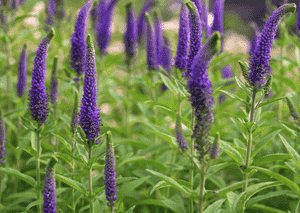
The optimal period for relocating Veronica spicata is in the vibrant phase of early to mid-spring. Select a site featuring adequately draining earth and ample sunlight. Ensure sufficient spacing between individual plants to facilitate their robust development. Enjoy your transplanting endeavor!
What Preparations are Needed Before Transplanting Spiked Speedwell?
What is the Ideal Time for Transplanting Spiked Speedwell?
The optimal period to move spiked speedwell is from early to mid-spring. This timing allows roots to properly establish before the onset of hot weather. Spring rains facilitate easy soil penetration and provide necessary moisture for spiked speedwell's development, making it perfect for relocation.
How Much Space Should You Leave Between Spiked Speedwell Plants?
For transplanting spiked speedwell, provide ample room for growth and flourishing. Position them approximately 8-12 inches (20-30 cm) apart to achieve a lush, healthy garden display.
What is the Best Soil Mix for Spiked Speedwell Transplanting?
Prior to planting spiked speedwell, prepare the soil by incorporating well-draining, loamy soil with a pH between 6.0 and 8.0. Add a generous amount of organic compost or slow-release granular fertilizer to give the plants an excellent start.
Where Should You Relocate Your Spiked Speedwell?
When it's time to transplant spiked speedwell, select a location where they will receive full sun or partial shade. This will encourage abundant blooms and ensure a long, healthy life in your garden.
What Equipments Should You Prepare Before Transplantation Spiked Speedwell?
Gardening Gloves
To safeguard your hands from thorns and rough soil during digging and handling spiked speedwell.
Shovel
A useful tool for excavating holes and lifting the spiked speedwell plant from its initial spot. Ensure it's sharp to easily cut through soil and roots.
Garden Trowel
It assists in creating precise holes and removing the plant from its container or seedling tray.
Watering Can
Crucial for maintaining plant hydration before, during, and after the transplant process.
Mulch
This is necessary to retain soil moisture and regulate temperature around the spiked speedwell, promoting its healthy growth post-transplant.
How Do You Remove Spiked Speedwell from the Soil?
How Do You Remove Spiked Speedwell from the Soil?
From Ground: Moisten the soil surrounding the spiked speedwell plant one day prior to removal. This facilitates keeping the root ball intact, which is vital for successful transplanting. Dig a wide trench around the spiked speedwell using your shovel, being careful not to harm the root ball. Gently lift the spiked speedwell with the shovel.From a Pot: Water the plant the day before transplanting. Carefully tip the pot sideways and support the main stem of spiked speedwell with your hand. Then gently extract the plant while pressing the pot's sides.From Seedling Tray: Water the seedlings. Use a garden trowel or similar implement to carefully separate each cell or block holding the young spiked speedwell plant. Exercise extreme caution to avoid damaging delicate roots.
Step-by-Step Guide for Transplanting Spiked Speedwell
Digging Hole
Determine the placement for spiked speedwell in your garden. Excavate a hole twice as wide and equal in depth to the plant's root ball.
Preparing Plant
Carefully extract spiked speedwell from its original location (ground, pot, or seedling tray) ensuring you preserve as much of the root system as possible.
Planting
Place spiked speedwell in the prepared hole, spreading its roots outwards. The top of the root ball should be level with or slightly above the ground to prevent waterlogging.
Backfilling
Gently begin refilling the hole, making sure no air pockets remain. Carefully firm down the soil around the base of the spiked speedwell.
Watering
Water the spiked speedwell immediately after planting. The water will help the soil settle around the roots.
How Do You Care For Spiked Speedwell After Transplanting?
Watering
Water spiked speedwell regularly, especially during the initial weeks, to aid in establishing strong roots. Avoid overwatering and ensure good soil drainage to prevent waterlogging.
Mulching
Apply a layer of mulch around the plant's base to conserve moisture and suppress weed growth.
Pruning
Remove any damaged or diseased growth on spiked speedwell to encourage abundant flowering.
Regular Check
Inspect spiked speedwell frequently for pests/diseases and treat as needed to maintain plant health.
Troubleshooting Common Issues with Spiked Speedwell Transplantation.
When's the best time of the year to transplant spiked speedwell?
The most opportune time to transplant spiked speedwell is from early spring to mid-spring. This provides the plant with a robust head-start for the growing season.
What's the ideal spacing when transplanting spiked speedwell?
An optimal spacing for spiked speedwell, promoting healthy development, ranges between 7.9 inches to 11.8 inches (20-30 cm). This allows ample room for growth and prevents overcrowding.
How should the soil be prepared before transplanting spiked speedwell?
The soil should be well-drained, rich in organic matter, and slightly acidic. Ensure to enrich the soil by mixing in compost or well-rotted manure before planting.
How deep should the holes be when transplanting spiked speedwell?
Dig a hole twice as wide and equal in depth to the root ball. This facilitates easy root spread in the soil, promoting vigorous growth.
Should spiked speedwell be watered immediately after transplanting?
Yes, you should water spiked speedwell promptly after transplanting. This helps settle the soil around the roots and eliminates air pockets, encouraging better root contact with the soil.
How much sunlight does the transplanted spiked speedwell need?
Though spiked speedwell tolerates partial shade, it flourishes best in full sunlight. Therefore, choose a sunny location when transplanting for the most vibrant growth.
What if the leaves of transplanted spiked speedwell start wilting?
If the leaves of spiked speedwell wilt after transplanting, it may indicate transplant shock. Keep the plant adequately watered but avoid waterlogging, and trim any yellowing leaves.
Are there any pests or diseases to watch out for after transplanting spiked speedwell?
While spiked speedwell is generally pest-resistant, be vigilant for aphids and powdery mildew. Use a mild insecticidal soap for aphids and a fungicide for powdery mildew if necessary.
Should I feed the transplanted spiked speedwell immediately?
Avoid fertilizing immediately after transplanting spiked speedwell as it can harm the roots. Wait a few weeks, then apply a balanced, slow-release plant food for consistent growth.
How to care for spiked speedwell after transplanting until it's well-established?
Monitor soil moisture, ensure it receives sufficient sunlight, and protect against pests. Prune any dead or diseased branches, and provide a wind-shield for young plants if necessary.



