How to Transplant Ironweed?
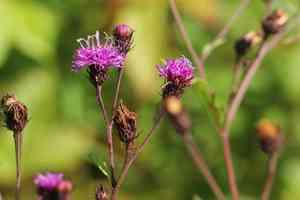
The optimal period for transplanting ironweed is amidst the vigorous energy of early to mid-spring. Select locations that receive ample sunlight to partial shade, featuring damp, adequately draining earth to encourage robust development.
What Preparations are Needed Before Transplanting Ironweed?
What is the Ideal Time for Transplanting Ironweed?
The best time to move ironweed is during the initial warmth of early to mid-spring. This period aligns with the plant's natural growth cycle, promoting strong root development and adaptation before summer's peak. Transplanting when the soil is workable and frost risk has passed, but before intense heat, offers the benefits of cooler temperatures and spring rains, aiding root establishment without heat stress.
How Much Space Should You Leave Between Ironweed Plants?
When preparing a new spot for ironweed, ensure each plant is spaced approximately 2-3 feet (60-90 cm) apart. This spacing allows ample room for each plant to grow and spread comfortably.
What is the Best Soil Mix for Ironweed Transplanting?
Ironweed prefers rich, well-draining soil. Before planting, enrich the soil with a slow-release base fertilizer to support its long-term growth. This provides a beneficial boost for your plants from the start.
Where Should You Relocate Your Ironweed?
Remember that ironweed thrives in full sun. Therefore, select a garden location where it will receive at least 6 hours of sunlight daily. Sufficient sunlight will encourage beautiful blooms.
What Equipments Should You Prepare Before Transplantation Ironweed?
Spade or Shovel
Used for digging the plant from its original spot and preparing the new planting hole.
Gardening Gloves
To safeguard your hands while handling soil and plants.
Trowel
This tool assists in digging small holes or trenches, ideal for young plants.
Gardening Fork
Helpful for loosening the soil around the plant without harming its roots.
Bucket or Wheelbarrow
For moving the plant from its initial location to the new one.
Water Hose or Watering Can
For hydrating the ironweed both before and after transplantation.
Mulch
Helps maintain moisture around the ironweed following transplanting.
How Do You Remove Ironweed from the Soil?
How Do You Remove Ironweed from the Soil?
From Ground: Begin by watering the ironweed to loosen the surrounding soil. This facilitates an easier, less stressful removal process for the plant. Use a gardening fork to gently loosen the ground around the plant, ensuring the root ball remains intact. Then, carefully work a spade beneath the root ball to lift the plant from its original spot. Place it in a bucket or wheelbarrow for transport.From Pot: Gently invert the pot, supporting the ironweed between your fingers with its stem passing through the opening. Lightly tap the pot's bottom or gently squeeze it to release the plant. Be sure to catch the plant without damaging its root ball.From Seedling Tray: Water the seedlings, then gently loosen the soil. Lift the ironweed seedlings from their cells by holding their leaves, not the stems or roots, to prevent damage. Carefully separate any tangled roots to simplify the transplanting process.
Step-by-Step Guide for Transplanting Ironweed
Ground Preparation
Prepare the new planting area by clearing any weeds or debris. Dig a hole that is twice as wide and the same depth as the ironweed's root ball using a spade or shovel.
Transfer the Plant
Carefully place the ironweed into the planting hole, ensuring it sits at the same depth as it was in its previous location. Backfill the hole with the excavated soil, gently firming it around the root ball.
Watering
Thoroughly water the ironweed immediately after transplanting to help settle the soil around its roots. Avoid excessive watering, as this can lead to waterlogged soil and root damage.
How Do You Care For Ironweed After Transplanting?
Watering
Ensure the soil stays moist but not waterlogged during the initial weeks post-transplantation. This promotes the establishment of strong roots.
Mulching
Apply mulch around the base of the ironweed, keeping it away from the stem, to help retain soil moisture and control weeds.
Pruning
Remove any dead, brown, or yellow leaves and stems to encourage new growth and overall plant health. Do this gently to avoid stressing the ironweed.
Regular Check
Inspect the ironweed regularly to promptly detect pests and diseases. A mild soap spray can help deter common insects. If any serious issues arise, consult a local nursery or extension service.
Troubleshooting Common Issues with Ironweed Transplantation.
What's the best time to transplant ironweed?
Transplant ironweed during S1-S2, when temperatures are cooler. This aids in successful root establishment and reduces plant stress.
How much space should be left between each ironweed during transplantation?
Maintain an optimal spacing of 2-3 feet (60-90 cm) between each plant. This provides ironweed with sufficient room for root and foliage growth.
Should ironweed be watered before or after transplanting?
It is advisable to water ironweed thoroughly both before and after transplanting. This helps the root system settle and minimizes shock.
What type of soil is best for transplanting ironweed?
Ironweed prefers well-draining soil, rich in organic matter. Consult a nursery or horticulturist if you are uncertain about your soil quality.
Do I need to add compost/fertilizer when transplanting ironweed?
Fertilizer is not immediately necessary. Focus on quality, well-draining soil. You can introduce compost/fertilizer a few weeks later to support growth.
What sun exposure does ironweed need after transplantation?
Ironweed thrives in full sunlight to partial shade. Post-transplantation, it's wise to provide some shade for a period to lessen shock and stress.
How deeply should I plant ironweed during transplantation?
Ironweed should be planted so that the top of its root ball is level with the soil surface. Avoid planting it deeper.
How soon can I expect ironweed to establish after transplantation?
Generally, ironweed may take several weeks to establish itself after transplantation. Be patient and ensure it is well-watered and protected from harsh conditions.
What to do if leaves of ironweed start yellowing after transplanting?
Yellowing leaves may signal stress, possibly from over or under watering. Evaluate your watering routine and adjust as needed. Also, ensure the plant is not exposed to extreme temperatures.
Why isnât ironweed flowering even after successful transplantation?
Remember, ironweed may not bloom immediately. It prioritizes root establishment in its first year. Consistent care over time will eventually lead to flowering.



