How to Transplant Gulf vervain?
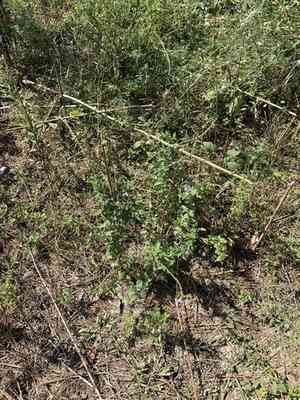
The most favorable period for relocating gulf vervain is after spring has concluded and early summer has begun, as this timeframe supports robust root development. Gulf vervain flourishes best in areas receiving full sun to partial shade, provided the soil drains effectively. Careful placement into its new environment promotes successful growth.
What Preparations are Needed Before Transplanting Gulf Vervain?
What is the Ideal Time for Transplanting Gulf Vervain?
The perfect time to move gulf vervain is at the start of spring and early summer. During this period, the weather is favorable, promoting robust root development without the stress of intense summer heat. Transplanting gulf vervain then improves its ability to adapt, ensuring it settles well in its new spot, benefiting from longer daylight hours and mild temperatures. A friendly reminder that by choosing this transplanting window, you give gulf vervain a splendid start to flourish in its new home!
How Much Space Should You Leave Between Gulf Vervain Plants?
For gulf vervain, allow ample room for growth by planting them 12-18 inches (30-46 cm) apart. This spacing enables each plant to expand and develop fully, fostering healthy growth and abundant blooms.
What is the Best Soil Mix for Gulf Vervain Transplanting?
Your gulf vervain will flourish best in soil that drains well and contains a good amount of organic matter. Before transplanting, incorporate a balanced, slow-release fertilizer to provide nutrients as your plants establish.
Where Should You Relocate Your Gulf Vervain?
Choose a sunny location for your gulf vervain as they thrive in direct sunlight. A spot that receives at least 6 hours of sun daily is perfect to ensure your plants grow strong and produce vibrant flowers.
What Equipments Should You Prepare Before Transplantation Gulf Vervain?
Gardening Gloves
To safeguard your hands while handling soil and plants.
Shovel or Spade
For digging up the plant and its root ball when removing it from its initial spot.
Watering Can or Hose
To hydrate gulf vervain before and after the transplanting process.
Wheelbarrow or Garden Cart
For moving the plant and soil if necessary.
Plant Supports or Stakes
To offer stability to gulf vervain in its new location until its roots are firmly established.
Pruning Shears
To trim any damaged roots or foliage during the transplant procedure.
How Do You Remove Gulf Vervain from the Soil?
How Do You Remove Gulf Vervain from the Soil?
From Ground: First, water gulf vervain to moisten the soil. Use a shovel or spade to dig a wide trench around the plant, making sure to preserve the root ball. Gently work the spade underneath to lift the plant from the ground.From Pot: Water gulf vervain thoroughly to facilitate removal. Tilt the pot sideways and tap the bottom to help loosen the root ball. Carefully pull the plant by its base to extract it from the pot.From Seedling Tray: Water the seedlings to keep the soil intact. Use a spoon or a small tool to lift the seedling from the tray. Handle gulf vervain by the leaves to prevent stem damage.
Step-by-Step Guide for Transplanting Gulf Vervain
Preparation
Ensure all necessary tools and equipment are readily available before starting the transplanting process for gulf vervain. Wear gloves for protection and prepare the new planting site in advance.
Root Ball Integrity
When extracting gulf vervain from its current spot, keep the root ball as intact as possible. This minimizes stress on the plant and aids in faster recovery after transplant.
Plant Removal
Follow the appropriate removal method based on whether gulf vervain is being taken from the ground, a pot, or a seedling tray, as previously described.
Transportation
If needed, use a wheelbarrow or garden cart to move gulf vervain from its original location to the new planting site.
Staking
Insert plant supports or stakes into the ground at the new site before placing gulf vervain to prevent root damage later.
Planting
Position gulf vervain in the new location at the same depth it was growing before. Backfill the soil around the root ball, gently firming it to eliminate air pockets.
Watering
Water gulf vervain thoroughly after planting to help settle the soil around the roots and provide essential moisture for recovery and growth.
Monitoring
Keep an eye on the stability of gulf vervain, especially if the plant is tall or if the area is windy. Adjust stakes or supports as needed during the initial growth period.
Prune as Needed
Use pruning shears to remove any damaged or diseased leaves or roots from gulf vervain to direct the plant's energy towards establishing new growth.
How Do You Care For Gulf Vervain After Transplanting?
Monitoring Stability
Regularly check the stability of gulf vervain, particularly after watering or rain, and adjust supports if necessary to prevent the plant from leaning or falling.
Consistent Watering
Water gulf vervain as required, depending on weather conditions, to ensure adequate hydration without overwatering.
Observation for Growth
Look for new growth on gulf vervain, which indicates successful transplantation.
Protection from Pests
Monitor gulf vervain for any signs of pest infestation and take prompt action if any are found.
Avoid Fertilization
Refrain from fertilizing gulf vervain immediately after transplanting to prevent root burn. Fertilizer can be introduced once the plant shows signs of new growth and has established itself.
Troubleshooting Common Issues with Gulf Vervain Transplantation.
When is the best time to transplant gulf vervain?
The ideal period for transplanting gulf vervain is from late spring to early summer when the weather is mild.
What spacing should I maintain between gulf vervain plants?
Allow space for development by planting gulf vervain plants 12-18 inches (30-45 cm) apart.
What soil conditions favor gulf vervain after transplanting?
Ensure well-drained soil rich in organic matter for successful gulf vervain transplantation.
How do I water gulf vervain after transplanting?
Water gulf vervain generously post-transplant, then moderately once established, avoiding waterlogged conditions.
Why are my transplanted gulf vervain plants wilting?
Wilting may be due to transplant shock. Allow it time, provide proper watering, and initially avoid direct sunlight.
What sun exposure is ideal for my transplanted gulf vervain?
Transplanted gulf vervain thrives in full sun to partial shade. Observe daily sunlight and adjust its location accordingly.
How deep should I plant gulf vervain during transplant?
Dig a hole as deep as the root ball and twice as wide to comfortably accommodate gulf vervain's roots.
My gulf vervain isn't flowering post-transplant. What's wrong?
Flowering might be delayed due to transplant shock. Ensure ample sunlight, water, and nutrients to encourage blooms.
Should I fertilize gulf vervain right after transplanting?
Wait a few weeks before fertilizing to allow gulf vervain to establish. Then use a balanced, slow-release fertilizer.
What should I do if gulf vervain's leaves turn yellow after transplanting?
Yellow leaves might indicate overwatering or poor drainage. Monitor your watering regimen and improve soil drainage.



