How to Transplant Common vervain?
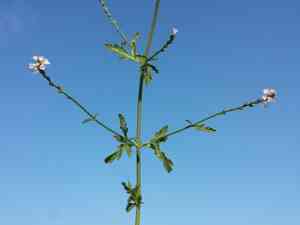
The optimal period for relocating common vervain is during the early weeks of spring, aligning with the plant's inherent developmental rhythm. Select a location bathed in sunlight with soil that drains effectively, and guarantee common vervain receives sufficient hydration after its move to facilitate strong rooting.
What Preparations are Needed Before Transplanting Common Vervain?
What is the Ideal Time for Transplanting Common Vervain?
The optimal periods for relocating common vervain are during the gentle onset of early spring or the revitalization phase of mid-spring. This timing aligns with cooler temperatures and ample moisture, which assist in root establishment prior to the strain of summer heat. This strategic timing allows common vervain to flourish, ensuring it has the best start in its new location with minimal transplant shock.
How Much Space Should You Leave Between Common Vervain Plants?
When transplanting, ensure sufficient spacing for your common vervain plants. Ideally, they should be positioned 2-3 feet (60-90 cm) apart. This provides each plant ample room to spread and develop. This is your initial step towards a vibrant common vervain garden!
What is the Best Soil Mix for Common Vervain Transplanting?
A well-drained, loamy soil is most suitable for common vervain. Prepare your soil by incorporating organic matter such as compost or aged manure – this helps retain moisture and supplies the necessary nutrients for common vervain to thrive. A balanced, slow-release fertilizer should be added to give them a good start!
Where Should You Relocate Your Common Vervain?
Now let's discuss placement – common vervain adore sunlight! Select a planting spot that receives full sun or partial shade. Remember, adequate sunlight ensures robust growth and more vivid blooms. This resilient common vervain is now ready to add a burst of color to your garden!
What Equipments Should You Prepare Before Transplantation Common Vervain?
Gardening Gloves
These are essential for protecting your hands when handling soil and the plant's root system.
Spade
A tool required for digging holes, and can also be used for carefully extracting the plant from its original spot without harming its roots.
Pruning Shears
For trimming any dead or damaged stems on the common vervain plant before transplantation.
Planting Pots
If you plan to transfer the common vervain plant from a bed or tray into a pot before moving it to the ground.
Watering Can
This will be utilized to hydrate the plant both before and after transplantation.
How Do You Remove Common Vervain from the Soil?
How Do You Remove Common Vervain from the Soil?
From Ground: Begin by watering the common vervain plant to moisten the soil. Then, carefully dig a sufficiently wide trench around the plant using the spade, taking care not to damage the root ball. Gently work the spade beneath the root ball to lift the plant, ensuring minimal disturbance to the roots.From Pot: Water the common vervain plant before proceeding to remove it. Then, tilt the pot on its side and gently ease out the plant, grasping its base, and supporting the root ball. Be sure not to pull on the plant's stems as doing so might damage them.From Seedling Tray: If the common vervain plant has been started in a seedling tray, the ideal time for transplantation is when the common vervain seedlings have grown large enough to handle. First, water the seedlings in the tray, wait a moment for the water to soak in, and then carefully ease out the seedlings by gently holding the leaves and not the stem.
Step-by-Step Guide for Transplanting Common Vervain
Digging the Hole
Excavate a hole that's approximately twice the size of the common vervain plant's root ball. The hole should be deep and wide enough to accommodate the roots without them being constricted or bent.
Placement
Position the common vervain plant in the center of the hole. The plant should be planted to the same depth as it was in its previous location. The base of the stems should be level with or slightly above the top of the hole.
Backfilling
Fill in around the rootball with soil, gently firming it with your fingers. Ensure there are no air pockets in the soil as that could dry out the roots.
Watering
Once the common vervain plant is in the ground, water it thoroughly to reduce transplant shock and to help settle the soil around its roots.
How Do You Care For Common Vervain After Transplanting?
Feeding
For the initial few weeks after transplanting, nourish the common vervain plant with a balanced, slow-release granular fertilizer. This will supplement the nutrients in the ground and promote healthier and quicker establishment of the plant.
Watering
Keep the soil around the common vervain plant consistently moist, but not waterlogged, for the first few weeks after transplanting. This is crucial in helping the plant establish strong roots.
Mulching
After watering, apply a 2-3 inch layer of organic mulch around the common vervain plant. Avoid touching the base of the stems with the mulch. Mulching helps conserve moisture and keep the roots cool.
Pruning
Post-transplant, your common vervain plant may direct more energy towards existing foliage rather than establishing its root system in its new location. Lightly prune the plant to reduce this energy expenditure and encourage root development.
Troubleshooting Common Issues with Common Vervain Transplantation.
What's the best time to initiate a transplant for common vervain?
The optimal time to transplant common vervain is between the seasons S1 and S2. This ensures the plant settles into its new spot before the summer heat or winter cold begins.
What spacing should I consider when transplanting common vervain?
When transplanting common vervain, maintain a distance of approximately 2-3 feet (60-90 cm) between each plant. It encourages healthy growth and prevents overcrowding.
How important is soil preparation before transplanting common vervain?
It's absolutely crucial! Ensure you've loosened the soil to about 10 inches (25 cm) deep. This helps common vervain's roots to establish and spread more easily in the new spot.
How much water does common vervain need just after transplantation?
Keep the soil gently moist, but not saturated. Overwatering can lead to root rot, while underwatering can dehydrate common vervain. Monitor the soil condition carefully.
Do I need to trim common vervain before transplantation?
Before transplanting common vervain, it can be beneficial to lightly prune it. This can help the plant focus on establishing its roots in the new environment rather than sustaining extensive top growth.
How deep should I plant common vervain during transplantation?
Dig a hole that's the same depth as common vervain's current pot or root ball. The top of the root ball should be level with or slightly above the surrounding soil.
Can I transplant common vervain in a container?
Yes, you can. Make sure the container is large enough to accommodate common vervain's growth and ensure it has adequate drainage holes to prevent waterlogging.
How can I reduce transplantation shock in common vervain?
Transplantation shock can be minimized by keeping the original soil around the roots during transplantation, watering sufficiently, and providing some initial shade to the plant.
Is it necessary to add fertilizers during common vervain's transplantation?
While it's not strictly essential, adding a slow-release fertilizer during transplantation can support common vervain's initial growth. However, avoid using fast-release fertilizers which might burn the roots.
What should I do if my transplanted common vervain wilts?
If your transplanted common vervain wilts, it may be experiencing transplant shock. Support it, maintain its water needs, give it partial shade, and it should recover with time.



