How to Transplant White mullein?
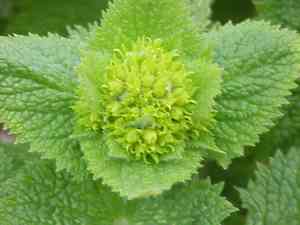
The optimal period for relocating white mullein is from the mild temperatures of late spring through the early part of summer, allowing its root system to become established prior to colder weather. Select a location that receives ample sunlight and has soil that drains effectively, then amend the site with organic matter to boost its vigor.
What Preparations are Needed Before Transplanting White Mullein?
What is the Ideal Time for Transplanting White Mullein?
Moving white mullein during the pleasant period from late spring to early summer is perfect - typically May through June, depending on your region. This timing allows white mullein sufficient opportunity to develop robust roots before winter dormancy. Performing this task during this season leverages the mild temperatures and increasing daylight, which together foster a supportive environment for white mullein. Growth is often more vigorous when the soil has warmed, yet cooler evenings prevent stress on young plants. Furthermore, consistent spring rainfall can lessen the need for extra watering. By establishing white mullein in their new location during this optimal growth phase, you promote strong development and a head start for the subsequent season.
How Much Space Should You Leave Between White Mullein Plants?
When getting ready to move your white mullein, aim for a spacing of approximately 12-15 inches (30-38 cm) between them. This provides each plant ample room to thrive without competing for nutrients or sunlight, promoting healthy growth.
What is the Best Soil Mix for White Mullein Transplanting?
For white mullein, the soil should drain well and be moderately fertile. Incorporate a general-purpose fertilizer into the soil before planting to provide a crucial nutrient boost. A soil pH near neutral is preferred for these plants to flourish.
Where Should You Relocate Your White Mullein?
Select a sunny spot in your garden for the white mullein as it enjoys soaking up the light. Full sun, meaning at least 6 hours of direct sunlight daily, is vital for optimal growth and blooming. Avoid overly shaded areas for the best plant health.
What Equipments Should You Prepare Before Transplantation White Mullein?
Gardening Gloves
To safeguard your hands while handling soil and plants.
Shovel or Spade
To excavate around and beneath the plant's root ball.
Gardening Trowel
To adjust the depth and width of the new planting hole.
Watering Can or Hose
To hydrate the plant after its relocation.
Pruning Shears
To trim any damaged roots or foliage.
Wheelbarrow or Plant Caddy
To move the plant from one spot to another.
Mulch
To help maintain soil moisture and temperature post-transplant.
How Do You Remove White Mullein from the Soil?
How Do You Remove White Mullein from the Soil?
From Ground: First, water the white mullein to moisten the soil. Then, dig a wide trench around the plant using a shovel or spade, ensuring the plant's root ball stays intact. Carefully work the spade under the root ball to lift the plant from its original position.From Pot: Before taking white mullein from its container, water it thoroughly. Tilt the pot and gently tap the sides to loosen the soil. Carefully slide the plant out while supporting the base of the stem.From Seedling Tray: Dampen the soil around the white mullein seedlings to facilitate removal. Use a gardening trowel or a small spoon to carefully scoop out the seedlings, making sure the delicate roots remain undisturbed.
Step-by-Step Guide for Transplanting White Mullein
Preparation
Have all necessary tools and equipment ready for transplanting white mullein. Ensure you've chosen a suitable location in previous steps and prepared the soil according to its needs, without repeating prior information on soil type and location aspects regarding sunlight exposure and spatial requirements for growth. Remember, you've already amended the soil and selected the perfect sunny spot as discussed before. Let's now focus on the transplanting process itself.
Removing the Plant
Carefully follow the removal procedure based on white mullein's current location - ground, pot, or seedling tray. Remember to be gentle to avoid root damage.
Hole Preparation
At the new site, dig a hole with your shovel or gardening trowel that is twice as wide and roughly the same depth as the root ball of your white mullein.
Transplanting
Position the white mullein in the center of the new hole. Ensure the plant sits at the same level it was previously growing, not deeper or above the original soil line.
Soil Refilling
Backfill around the root ball with the excavated soil. Gently firm the soil with your hands to eliminate air pockets without compacting it too much.
Watering
Immediately after transplanting, thoroughly water the white mullein to settle the soil and provide moisture to the roots.
Mulching
Apply a layer of mulch around the base of the white mullein, being careful to keep it from directly touching the stem. This will help retain moisture and regulate soil temperature.
Support
If white mullein is tall or expected to grow significantly, provide staking or other support to prevent it from bending or breaking.
How Do You Care For White Mullein After Transplanting?
Monitoring
Regularly check the soil moisture around the white mullein and water as needed to maintain consistent moisture, especially during the initial growing season.
Adjustments
Observe the white mullein frequently for signs of stress like wilting or discolored leaves, and take corrective action, which might include altering watering frequency, providing shade, or adding more mulch.
Feeding
Apply a balanced, slow-release fertilizer according to the manufacturer's instructions after the white mullein has become established, unless previously specified in the soil preparation section.
Pruning
Trim away any damaged or dead foliage to encourage healthy growth and improve air circulation around the white mullein.
Protection
If you notice pests or diseases, take appropriate measures. Use organic methods whenever possible, and avoid chemical treatments unless absolutely necessary.
Enjoyment
Remember to be patient as white mullein adjusts to its new home and begins to grow. Gardening is a journey with rewards at every stage, so enjoy caring for your white mullein, and watch it flourish.
Troubleshooting Common Issues with White Mullein Transplantation.
When is the best time to transplant white mullein for optimal growth?
The ideal period for transplanting white mullein is during the mild warmth of late spring to early summer.
What's the ideal spacing for white mullein to ensure healthy growth?
Allow white mullein ample space to thrive by planting them 12-15 inches (30-38 cm) apart.
Why are my white mullein not standing upright after transplanting?
Gently staking white mullein can help them stand tall; ensure they are not over-watered or planted too shallowly.
How deep should I plant white mullein during transplantation?
Place white mullein in a hole as deep as their root ball to establish a strong foundation.
Can white mullein be transplanted on a cloudy day?
Absolutely! Overcast and cool days are perfect for moving white mullein as it minimizes transplant shock.
How much should I water white mullein after transplanting?
Satisfy white mullein's thirst with a thorough watering post-transplant, then moderate to keep the soil moist, not waterlogged.
What soil type is best for transplanting white mullein?
White mullein thrives in well-draining soil enriched with organic matter for sustenance.
Should I fertilize white mullein right after transplanting?
Wait 3-4 weeks after transplanting before introducing a balanced, slow-release fertilizer for white mullein.
How do I protect white mullein from transplant shock?
Ensure white mullein has sufficient water, shade from intense sun, and avoid excessive root disturbance.
Could extreme temperatures affect white mullein after transplanting?
White mullein is resilient but performs best when not exposed to frost or hot temperatures above 85°F (29°C) soon after relocation.



