How to Transplant Fever tree?
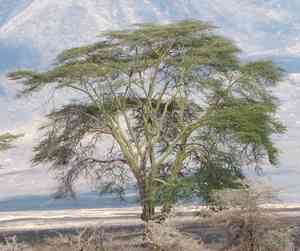
For fever tree, the optimal time for relocation is from early to mid-spring, allowing the roots to settle prior to the summer heat. Select bright spots with soil that drains effectively. Careful handling is essential to safeguard the fragile root structure.
What Preparations are Needed Before Transplanting Fever Tree?
What is the Ideal Time for Transplanting Fever Tree?
The best period for relocating fever tree is when spring begins to stir, typically from the start of spring extending into its peak. Moving fever tree during this time leverages its vigorous growth phase, as the ground warms and frost risk lessens. This timing allows fever tree to develop roots within the nourishing spring soil, fostering strong health and development, which in turn boosts the likelihood of a successful transition and vibrant flourishing throughout the growing season. Ensuring fever tree settles into its new spot during this favorable window sets the foundation for years of healthy, impressive presence, celebrating each subsequent spring as a testament to your gardening skill.
How Much Space Should You Leave Between Fever Tree Plants?
When rehousing your fever tree, make sure to position them 20-30 feet apartâthat's roughly 6-9 meters. This provides each fever tree ample room to thrive without competing for nutrients or sunlight.
What is the Best Soil Mix for Fever Tree Transplanting?
Prepare the soil by making it rich and well-draining; loamy soil works exceptionally well for fever tree. Incorporate a balanced, slow-release fertilizer to give your fever tree an excellent start without overwhelming them.
Where Should You Relocate Your Fever Tree?
Select a sunny location where your fever tree can receive at least 6 hours of direct sunlight daily. This bright exposure will help them flourish and mature into robust, healthy trees.
What Equipments Should You Prepare Before Transplantation Fever Tree?
Gardening Gloves
To safeguard your hands while handling soil and plants.
Shovel or Spade
For excavating at both the original and new planting sites.
Wheelbarrow
To move the fever tree if it's been dug from the ground.
Pruning Shears
For trimming any damaged roots or excessive upper growth.
Watering Can or Hose
For hydrating the fever tree before, during, and after the move.
Garden Trowel
For smaller digging tasks, especially with containers or seedling trays.
Root Pruning Fork or Knife
To untangle or cleanly sever roots from pots or trays, if required.
How Do You Remove Fever Tree from the Soil?
How Do You Remove Fever Tree from the Soil?
From Ground: First, hydrate the fever tree to moisten the soil. Next, excavate a wide trench around the plant using a shovel or spade, ensuring the plant's root ball remains intact. Carefully work the spade beneath the root ball to lift the plant from its initial spot.From Pot: Water the fever tree thoroughly. Turn the container on its side and gently tap or squeeze it to loosen the root ball. Extract the plant by the base of the stem or invert the pot, allowing gravity to assist in releasing the plant while supporting it with your other hand.From Seedling Tray: Water the seedlings well. Use a garden trowel or a planting dibber to gently pry the young fever tree out of its cell, taking care not to harm the roots or stem.
Step-by-Step Guide for Transplanting Fever Tree
Preparation
Before starting, ensure the area where the fever tree will be moved has been cleared of weeds and debris, and the hole is pre-dug to match the root ball's size.
Root Ball Care
Be careful not to disturb the root ball when relocating the fever tree. Use a wheelbarrow if moving it a distance to minimize root disruption.
Placing fever tree
Position the fever tree into the new hole so it stands upright and centered. The top of the root ball should be level with the surrounding soil surface.
Refilling Hole
Carefully backfill the hole with soil, gently firming it to remove air pockets. Ensure the fever tree is planted at the same depth as it was previously growing.
Supporting Plant
If the fever tree is tall or unstable, gently stake it. Use tree ties or soft materials that will not harm the bark or stems.
Watering
After planting, thoroughly water the fever tree to help settle the soil around the roots and reduce transplant shock.
How Do You Care For Fever Tree After Transplanting?
Stabilizing
Ensure the fever tree is firm in its new spot by providing proper staking if necessary.
Watering
Maintain consistent moisture around the fever tree, especially during the initial weeks, without overwatering.
Mulching
Apply a layer of organic mulch around the base to conserve moisture and regulate soil temperature.
Pruning
Trim any damaged branches or leaves as such damaged parts can divert energy from the establishment of new roots.
Monitoring
Keep a close watch on the fever tree for signs of transplant shock, such as wilting leaves, which is common but should be temporary.
Troubleshooting Common Issues with Fever Tree Transplantation.
When is the best time to transplant fever tree?
The ideal transplanting period is from early to mid-spring, promoting root establishment before summer.
How far apart should I space fever tree when transplanting them?
For proper growth, ensure fever tree is spaced at an optimal distance of 20-30 feet (6-9 meters).
Why are my transplanted fever tree not thriving?
Verify if the planting depth is correct; neither too deep nor too shallow, and ensure adequate watering.
How large should the hole be when transplanting fever tree?
The hole should be twice as wide and the same depth as the root ball of fever tree.
What are the signs of transplant shock in fever tree?
Wilting, yellowing leaves, and stunted growth are often indicators of transplant shock in fever tree.
Should I amend the soil when transplanting fever tree?
Yes, mix in compost to the existing soil to enhance nutrients and drainage for the fever tree's root system.
How often should I water fever tree after transplanting?
Water deeply immediately after transplanting and regularly thereafter, but avoid waterlogging the soil.
Can fever tree be transplanted in cooler weather?
Transplanting fever tree in cooler weather outside the ideal spring window might lead to poor establishment.
How can I protect newly transplanted fever tree from wind?
Secure with stakes if exposed to strong winds and ensure you don't damage the root system.
Is it necessary to prune fever tree during transplanting?
Prune damaged or diseased branches to focus the fever tree's energy on root establishment post-transplant.



