How to Transplant Large-flowered bellwort?
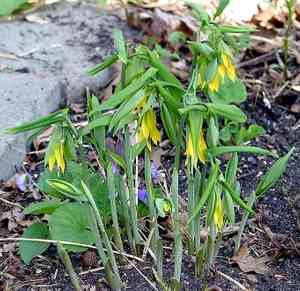
The ideal period for transplanting large-flowered bellwort extends from the middle to the end of spring, leveraging prime growth circumstances. Select a spot with filtered light to replicate their native forest environment. Careful manipulation is crucial—safeguard the fragile root structure to guarantee a seamless acclimatization.
Essential Preparations Before Relocating Large-flowered Bellwort?
Optimal Timing for Relocating Large-flowered Bellwort?
The best period for moving large-flowered bellwort is during the lively days of mid to late spring or the onset of early summer. This timing allows large-flowered bellwort to settle in mild conditions with ample growth time ahead. Transplanting then lets large-flowered bellwort benefit from warm soil, which aids root development, and avoids the intense heat of peak summer. This ensures a strong start, promoting a healthier, more thriving plant. A contented large-flowered bellwort means a more beautiful garden for you!
Recommended Spacing Between Large-flowered Bellwort Plants?
When preparing to move your large-flowered bellwort, proper spacing is crucial. Ideally, each plant should be positioned about 1-2 feet (30-60 cm) apart. This provides sufficient room for the roots to expand and flourish. Keep planting, it will be rewarding!
Best Soil Mixture for Large-flowered Bellwort Relocation?
For large-flowered bellwort, well-draining soil is vital. You might also want to enrich the planting site with some organic compost or aged manure. Add a small amount of a standard base fertilizer – your plant will appreciate the extra nutrients!
Ideal New Location for Your Large-flowered Bellwort?
Now, select a location for your large-flowered bellwort that receives full sun or partial shade. It's quite particular and enjoys sunlight but also benefits from some shade. Observe the sunlight patterns in your garden before choosing the perfect spot.
Tools Required Before Transplanting Large-flowered Bellwort?
Gardening Gloves
To protect your hands while working with soil and the large-flowered bellwort plant.
Spade
To assist in digging the ground and carefully lifting the plant with its root ball from its original spot.
Bamboo Stakes
To offer support to the large-flowered bellwort plant after its relocation.
Trowel
To create small holes and manage the soil in the new planting area.
Watering Can
Aids in hydrating the plant both before and after the transplanting process.
Wheelbarrow
To move the plant from its initial position to its new destination.
Mulch
To help maintain moisture and regulate temperature after the move.
How to Extract Large-flowered Bellwort from the Ground?
How to Extract Large-flowered Bellwort from the Ground?
From Ground: First, water the large-flowered bellwort plant to moisten the soil. Next, dig a wide trench around the plant with a spade, ensuring the root ball remains intact. Gently use the spade beneath the root ball to free the plant from its original location.From Pot: Begin by watering the large-flowered bellwort plant. Carefully tip the pot and slide the plant out, taking care not to harm the root ball. If the plant doesn't come out easily, try tapping the bottom of the pot.From Seedling Tray: Start by watering the large-flowered bellwort seedling. Using a trowel, carefully lift each seedling from underneath, holding it by the leaves, not the stem. Always avoid pulling the seedling, as this can damage the roots.
Step-by-Step Guide for Relocating Large-flowered Bellwort
Preparation
Prepare the new planting site by digging a hole twice as wide and as deep as the large-flowered bellwort plant's root ball.
Positioning the Plant
Place the large-flowered bellwort plant into the hole. Adjust the hole's depth if needed, so the top of the root ball is level with or slightly above the ground surface.
Backfilling
Fill the hole halfway with soil, and gently firm it around the plant's base. Water thoroughly before filling the rest of the hole with soil, keeping the soil level with or slightly below the surrounding ground.
Staking
If the large-flowered bellwort plant is tall or unstable, use bamboo stakes to keep it upright.
Mulching
Apply mulch around the plant's base (but not touching the stem) to help retain moisture.
Post-Transplant Care for Large-flowered Bellwort?
Watering
Water the large-flowered bellwort thoroughly after its relocation. For best results, keep the soil consistently moist for 6-8 weeks following the move.
Support
If your large-flowered bellwort plant is tall or in a windy area, ensure it stays staked until it becomes established.
Pest Protection
Monitor for pests and diseases, as large-flowered bellwort may be more vulnerable due to transplant shock.
Pruning
After transplanting and once the large-flowered bellwort is well-established, prune as necessary to encourage stronger, bushier growth.
Addressing Common Issues with Large-flowered Bellwort Transplantation.
When is the optimal time to move large-flowered bellwort?
The best period to move large-flowered bellwort is from late spring to early autumn (S2-S4). This promotes optimal root development.
What is the ideal spacing when relocating large-flowered bellwort?
When moving large-flowered bellwort, ensure about 1-2 feet (30-60cm) of space between each plant, fostering adequate growth.
What if large-flowered bellwort is wilting after being moved?
The plant might be stressed from the relocation. Consistent watering, without over-saturating the soil, can help large-flowered bellwort recover faster.
Why isn't large-flowered bellwort blooming after being moved?
Flowering might be delayed in the first year post-transplant as large-flowered bellwort prioritizes root development. Patience is key!
How deep should the hole be when moving large-flowered bellwort?
For large-flowered bellwort, the hole should be twice the width of the root ball and equally deep. This provides ample space for roots.
How often should large-flowered bellwort be watered after relocation?
Large-flowered bellwort requires consistent moisture for successful establishment. Water it 1-2 times weekly, adjusting based on rainfall and soil conditions.
What if large-flowered bellwort leaves are yellowing after being moved?
Yellow leaves can indicate over-watering or poor drainage. Ensure your relocated large-flowered bellwort has well-drained soil and avoid excessive watering.
Can large-flowered bellwort be moved into a pot?
Absolutely, large-flowered bellwort can thrive in containers. Select a pot that is wide and deep enough to accommodate the root ball.
Should large-flowered bellwort be pruned after relocation?
There's no need to prune large-flowered bellwort immediately after moving it. Focus on proper watering and soil conditions instead.
How can I ensure the health of large-flowered bellwort after relocation?
Ensure your large-flowered bellwort receives sufficient sunlight, keep the soil moist but well-drained, and use quality compost to boost nutrients.



