How to Transplant Rock elm?
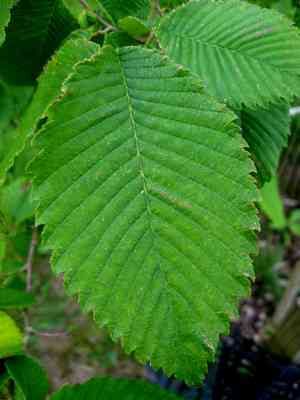
Rock elm flourishes optimally when relocated during the transition from early to mid-spring, capitalizing on mild temperatures and adequate soil hydration. Select sites with good drainage, offering protection from strong gusts. During the transplanting process, manage rock elm gently to prevent root trauma.
What Preparations are Needed Before Transplanting Rock Elm?
What is the Ideal Time for Transplanting Rock Elm?
The best time to move rock elm is during the active growth months of early to mid-spring. This period aligns with new growth, allowing rock elm to settle in the warming soil. As temperatures rise and frost disappears, rock elm's roots recover and expand more effectively. Achieve greater success by choosing this window for relocation, matching the plant's natural cycle. You'll find rock elm is more robust and ready for the upcoming summer when established in its new spot during this lively season of renewal.
How Much Space Should You Leave Between Rock Elm Plants?
When relocating rock elm, proper spacing is crucial. Aim for a distance of approximately 15-20 feet (4.5-6 meters) between each plant to allow them to fully extend their branches and thrive. Remember, adequate space is vital for their well-being!
What is the Best Soil Mix for Rock Elm Transplanting?
For rock elm, soil that drains well is perfect. A soil pH between 6.0 and 7.0 is ideal. Prepare the soil with an organic-based fertilizer, which not only nourishes rock elm but also improves soil structure. Healthy soil leads to thriving plants!
Where Should You Relocate Your Rock Elm?
Rock elm thrives in sunlight, so select a spot where it will receive full sun. However, it can also tolerate some partial shade. In areas with extreme summer heat, a bit of afternoon shade can help rock elm remain healthy and vibrant. You're doing great, keep it up!
What Equipments Should You Prepare Before Transplantation Rock Elm?
Gardening Gloves
To safeguard your hands while handling soil and rock elm.
Shovel or Trowel
To carefully excavate the root ball of the rock elm without causing damage. It can also be used to prepare the new planting site.
Watering Can
An essential tool for hydrating the rock elm before and after the transplanting process to ensure the plant remains moisturized.
Burlap or Heavy-duty Plastic Sheet
To encase the root ball of the rock elm during relocation to prevent root damage.
Garden Pruners
To trim any compromised roots or branches of the rock elm during the relocation process.
Garden Cart or Wheelbarrow
To aid in moving the rock elm from its current spot to its new location, especially if the plant is large or heavy.
How Do You Remove Rock Elm from the Soil?
How Do You Remove Rock Elm from the Soil?
From Ground: Begin by thoroughly watering the rock elm plant a day prior to the scheduled move to moisten the soil, which helps preserve the root ball during relocation. Dig a trench around the plant using a shovel or spade, ensuring you are far enough from the base to avoid cutting into the root system. Once you've encircled the plant, carefully work the spade beneath the root ball, gently loosen the soil, and lift it from its original position. Wrap the root ball in burlap or a plastic sheet to protect it during the move.From Pot: Water the plant the day before the move. To extract the plant, gently tip the pot to the side, and lightly tap the rim on a firm surface like a bench or the ground to loosen the root ball. Carefully grasp the base of the plant and ease it out, making sure to avoid pulling on the stem or trunk.From Seedling Tray: Water the seedlings adequately and allow them to rest. To remove the seedlings, squeeze the bottom of each cell, pushing the root ball upwards more than usual. Gently grasp the seedling by its leaves, not the stem, and carefully lift it out.
Step-by-Step Guide for Transplanting Rock Elm
Preparation
Prepare the new planting site before extracting the rock elm from its current spot. The hole should be twice as wide and as deep as the root ball. This is done to loosen the soil around the hole and allow the roots to spread and grow.
Removal
Extract the plant from its previous location following the provided guidelines based on its current setting. Wrap the root ball in burlap or heavy-duty plastic to safeguard it during transport.
Planting
Position the rock elm in the planting hole and ensure it stands upright. The top of the root ball should be level with or slightly above the surrounding soil surface. Gradually backfill the hole, firming the soil around the plant's base. Water the plant after planting.
Finishing
After planting, create a small ridge of soil around the outer edge of the root ball. This will help direct water towards the roots during the initial weeks.
How Do You Care For Rock Elm After Transplanting?
Watering
Water the rock elm immediately after transplanting and keep the soil moist for the first few weeks. The plant may require more water than usual during this initial period as it establishes its roots.
Pruning
Prune the rock elm if necessary after transplanting to remove any broken or damaged branches. Avoid extensive pruning which might stress the plant.
Monitoring
Closely observe the rock elm after transplanting. Look for signs of stress such as wilting or yellowing leaves. Transplant shock is common in plants, but with proper care, it should recover.
Mulching
Apply mulch around the base of the rock elm to maintain soil moisture and temperature, and to suppress weed growth.
Troubleshooting Common Issues with Rock Elm Transplantation.
What is the ideal time of year for transplanting rock elm?
It's best to move rock elm during late fall to early spring. This period offers the most suitable environmental conditions for successful transplanting.
What distance should I keep between rock elm when transplanting?
Good question! The optimal spacing when relocating rock elm is between 15-20 feet (4.5-6 meters).
What size should the digging hole be when transplanting rock elm?
The hole should be approximately twice the width and the same depth as the rock elm's root ball.
When transplanting rock elm, do I need to water it right away?
Yes, absolutely! Water rock elm thoroughly immediately after transplanting to help it settle and minimize shock.
Do I need to prune rock elm before transplanting?
Absolutely yes! Pruning is necessary before relocating rock elm. This helps to balance the top growth with root loss.
What kind of soil is best suited for transplanting rock elm?
Rock elm prefers soil that drains well. If planting in heavy clay or sand, consider adding organic matter to improve soil structure.
Do I need to add fertilizer when transplanting rock elm?
It's not necessary to fertilize immediately. It would be best if you fertilize rock elm after it has had time to establish, which typically takes about 3 to 6 months.
Is there any special care rock elm requires after transplanting?
Yes, rock elm requires regular watering in its first year, especially during dry spells. It's also crucial to watch out for pests or diseases.
My rock elm leaves turned yellow after transplanting. What should I do?
Yellow leaves can indicate transplant shock or overwatering. Reduce watering frequency and ensure proper drainage.
What precautions should I take while removing rock elm garden for transplanting?
Be sure to dig deeply to avoid damaging the roots of rock elm when extracting it from the garden for transplanting.



