How to Transplant Slippery elm?
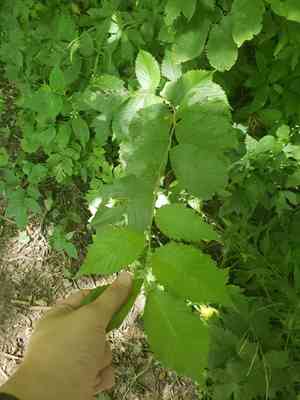
For slippery elm, the ideal time for transplanting is during nature's revival, when warmer ground and extended daylight encourage root development. Select a location with fertile, adequately draining soil, protected from strong gusts. Careful management of the root mass guarantees a smooth adjustment.
What Preparations are Needed Before Transplanting Slippery Elm?
What is the Ideal Time for Transplanting Slippery Elm?
The optimal period for relocating slippery elm is during its spring awakening, as root regeneration occurs rapidly then. Moving slippery elm in this season maximizes root establishment prior to summer's heat. Embracing this natural growth surge ensures slippery elm recovers quickly, boosting survival rates and fostering a strong foundation for vigorous health. This strategic timing, aligning with the plant's life cycle, proves advantageous for a flourishing slippery elm.
How Much Space Should You Leave Between Slippery Elm Plants?
When transplanting slippery elm, allow ample room for its development. Ideally, position each plant approximately 20-30 feet (6-9 meters) apart. Proper spacing is vital since these plants can attain considerable height and width.
What is the Best Soil Mix for Slippery Elm Transplanting?
For slippery elm, prepare well-draining soil enriched with organic matter. Before planting, incorporate a generous amount of compost or aged manure into the soil to enhance its fertility and moisture retention capabilities.
Where Should You Relocate Your Slippery Elm?
Select a site that receives abundant sunlight for slippery elm. It tolerates various light conditions but flourishes best in full sun to partial shade. A sunny location will ensure robust growth for your plant.
What Equipments Should You Prepare Before Transplantation Slippery Elm?
Gardening Gloves
To safeguard your hands from sharp implements and abrasions.
Shovel or Garden Spade
Useful for excavating the slippery elm from its current spot or preparing a hole in the new location.
Garden Trowel
A smaller digging tool, perfect for extracting slippery elm from containers or seedling trays.
Watering Can
Necessary for keeping the slippery elm hydrated throughout the transplanting process.
Mulch
To help maintain moisture around the slippery elm in its new setting.
Pruning Shears
These may be required to trim any damaged roots.
Wheelbarrow
Helpful for transporting the slippery elm plant if it is large.
How Do You Remove Slippery Elm from the Soil?
How Do You Remove Slippery Elm from the Soil?
From Ground: First, use your watering can to moisten the soil surrounding the slippery elm. Next, excavate a trench around the plant with your shovel or spade, taking care not to harm the root ball. Gently lift the plant and place it in the wheelbarrow if needed.From Pot: Water the pot thoroughly beforehand. Use your garden trowel to loosen the soil along the pot's edges. Tilt the pot sideways and carefully extract the plant, keeping the root ball intact.From Seedling Tray: Water the seedling tray and carefully lift the slippery elm plant from its cell using the trowel. Be sure to lift it by the root ball, not the stem.
Step-by-Step Guide for Transplanting Slippery Elm
Digging
Prepare a hole that is twice as wide and equally deep as the slippery elm root ball in the new location. This will provide ample room for the roots to spread.
Planting
Position the slippery elm in the center of the hole, ensuring the top of the root ball is level with the soil surface. Backfill the hole with soil, pressing down gently to eliminate any air pockets.
Watering
Use your watering can to thoroughly irrigate the slippery elm plant after planting. This will help settle the soil around the roots.
Mulching
Encircle the base of the slippery elm with a layer of mulch. This will aid in retaining moisture and preventing weed growth.
How Do You Care For Slippery Elm After Transplanting?
Pruning
Lightly trim the slippery elm plant after transplanting to lessen stress and encourage new growth.
Watering
The newly transplanted slippery elm will require consistent watering. Check the soil's moisture levels regularly, and water when the top inch of soil is dry.
Monitoring
Watch for any indications of transplant shock, such as leaf drop or yellowing foliage. If these symptoms persist, seek advice from a local nursery or extension service.
Troubleshooting Common Issues with Slippery Elm Transplantation.
What's the best time of year to transplant slippery elm?
The most opportune period to transplant slippery elm is between late spring and mid-summer (also known as S1-S3).
How much space does slippery elm need to grow properly?
Slippery elm thrives best when given ample space, ideally arrange saplings 20-30 feet apart (approximately 6-9 meters).
Is it necessary to amend the soil during transplanting of slippery elm?
Yes, it's vital to enrich the soil with organic matter, as this helps to boost its fertility and water retention capacity, which benefits slippery elm's growth.
How do I prepare slippery elm's rootball for transplantation?
Carefully loosen the soil around slippery elm's rootball, keeping as much soil around the roots as possible when lifting the plant for transplantation.
How to plant slippery elm after transplanting?
Dig a hole that is twice as wide and equal to the depth of the rootball. Ensure slippery elm is positioned at the same soil level as before and backfill the hole.
Should slippery elm be watered immediately after transplanting?
Yes, the slippery elm should be watered thoroughly right after transplant, this will help it settle into its new location and prevent dehydration.
Do I need to stake slippery elm after transplanting?
If the transplant is unstable or exposed to strong winds, a stake can provide necessary support until the roots establish in the new location.
What's the best way to care for slippery elm after transplanting?
Keep the soil moderately moist, maintain the ideal spacing, and follow a regular fertilization schedule to ensure healthy growth of the transplanted slippery elm.
Should I trim slippery elm after transplanting?
If slippery elm exhibits signs of stress or illness after relocation, such as wilting or discolored leaves, remove these parts so it can focus its energy on new growth.
Is there any specific temperature slippery elm prefers?
Slippery elm is quite resilient and performs well in a range of climates, but ideally, it favors moderate temperatures.



