How to Transplant European white elm?
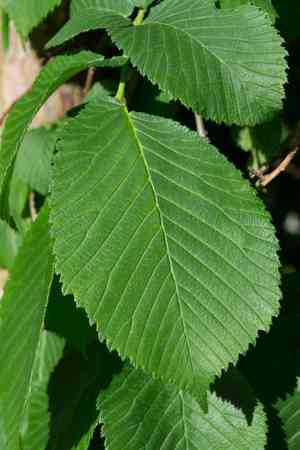
European white elm transplantation flourishes when carried out as the mildness of late spring transitions into the pleasant early summer period, facilitating strong root development. Select sites featuring rich, damp earth and allow sufficient room for expansion to assist in successful acclimation.
What Preparations are Needed Before Transplanting European White Elm?
What is the Ideal Time for Transplanting European White Elm?
The best time to move european white elm is during the lively period from late spring to early summer. This timing allows european white elm to establish its root system before the colder autumn months. Transplanting european white elm then takes advantage of mild temperatures and consistent moisture, which are perfect for root development, ensuring a successful transition to its new spot. Choosing this season for transplantation encourages strong growth and helps european white elm flourish in its new home.
How Much Space Should You Leave Between European White Elm Plants?
Hello there, plant enthusiast! When relocating your european white elm, ensure they have ample room to grow. Aim to space each one approximately 20-30 feet (6-9 meters) apart. This spacing allows them to develop broadly and tall, just as they prefer!
What is the Best Soil Mix for European White Elm Transplanting?
To provide the optimal foundation for your european white elm, prepare a well-draining loamy soil blend with a good balance of sand, silt, and clay. Prior to planting, incorporate an initial application of a balanced, slow-release fertilizer to give your european white elm a nutritional boost.
Where Should You Relocate Your European White Elm?
Your european white elm thrives in bright conditions! Select a sunny location where it will receive at least 6 hours of direct sunlight daily. Ensure it's a spot where it can absorb the sun's rays without any obstruction from shade.
What Equipments Should You Prepare Before Transplantation European White Elm?
Gardening Gloves
To safeguard your hands while handling soil and the plant.
Shovel or Spade
For excavating the plant and preparing the new planting site.
Watering Can or Hose
To hydrate the european white elm before and after its relocation.
Wheelbarrow or Tarp
To move the excavated european white elm to its intended new spot.
Pruning Shears
To trim any damaged roots or branches if necessary.
Stakes and Ties
For providing support to the european white elm in its new location, if needed.
Mulch
To help retain moisture and regulate soil temperature after planting.
How Do You Remove European White Elm from the Soil?
How Do You Remove European White Elm from the Soil?
From Ground: First, water the european white elm plant to moisten the soil, making it easier to manage. Then, dig a wide circle around the plant with your shovel or spade, ensuring the root ball is sufficiently included to prevent damage. Carefully work the spade beneath the root ball to lift the european white elm from its original position.From Pot: Gently tilt the pot sideways and tap the bottom to loosen the european white elm plant. Support the plant's base with one hand, and carefully pull the pot away with the other. Inspect the roots and gently untangle them if they are root-bound.From Seedling Tray: Lightly water the seedlings to aid removal. Use a small tool or your fingers to gently lift each seedling from its compartment, taking care not to harm the delicate roots.
Step-by-Step Guide for Transplanting European White Elm
Preparation
Before extracting european white elm from its current spot, prepare the new planting area by digging a hole that is twice the width of the root ball and of equal depth.
Root Ball Care
When lifting the european white elm, ensure the root ball stays intact to protect the roots. If necessary, trim any damaged roots using pruning shears.
Plant Positioning
Place the european white elm into the prepared hole, making sure it's at the same level it was growing previously. Straighten the plant so it stands upright.
Filling the Hole
Carefully backfill the hole with the excavated soil, gently tamping it down to remove air pockets without overly compacting the soil.
Watering
Thoroughly water the european white elm immediately after planting to settle the soil around the roots and help reduce transplant shock.
Support
If the european white elm is tall or unstable, insert stakes around the plant and loosely tie the trunk to the stakes for support.
Mulching
Apply a layer of mulch around the base of the european white elm to conserve moisture and provide temperature insulation, ensuring some space is left around the trunk.
How Do You Care For European White Elm After Transplanting?
Monitoring
Regularly inspect the european white elm for indications of transplant shock, such as wilting or yellowing leaves, and address them promptly.
Stabilizing
Ensure that the stakes or supports are firm but not too tight, allowing the european white elm some movement to develop strength.
Adjusting
If the european white elm shows signs of distress, modify care as needed, whether it's additional watering during dry periods or protection from strong winds or pests.
Patience
Be patient as the european white elm adapts to its new surroundings. Some plants take longer to establish, so continue consistent care for the best outcomes.
Troubleshooting Common Issues with European White Elm Transplantation.
What's the best time to transplant european white elm?
Transplant european white elm during its active growth season, between late spring and early summer, for optimal results.
How far apart should I space my european white elm saplings?
Allow for ample development by spacing european white elm saplings 20-30 feet apart (6-9 meters).
Why is my european white elm not thriving post-transplant?
Ensure it's not planted too deeply, is adequately watered, and that soil conditions are suitable. Insufficient care could be detrimental.
Can I transplant european white elm in the fall?
While spring to early summer is ideal, early fall can work, but ensure it's established before the first frost.
What soil conditions favor european white elm transplantation?
Aim for fertile, well-drained soil. Test pH levels; european white elm prefers a range from acidic to alkaline.
My european white elm appears wilted post-transplant, what should I do?
Consistent watering is crucial after transplanting. Ensure the soil is moist, not waterlogged, to revive wilted european white elm.
How do I prepare a transplant site for european white elm?
Choose a full-sun to partial-shade area, loosen the soil, and incorporate compost for robust european white elm growth.
What size should the planting hole for european white elm be?
Dig a hole twice the width of the root ball and just as deep to encourage root expansion.
How to protect european white elm after transplanting?
Mulch around the base, avoid fertilizer for the initial year, and stake if necessary to stabilize european white elm.
How often should I water european white elm after transplanting?
Water european white elm every 7-10 days, allowing for deep root saturation. Adjust based on rainfall and soil type.



