How to Transplant American elm?
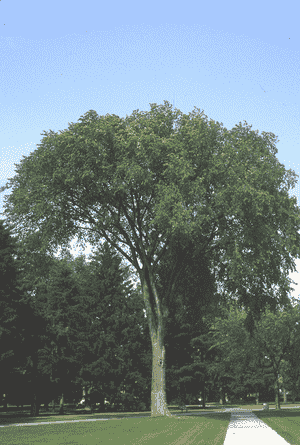
The optimal period for relocating american elm spans from late spring through midsummer, providing sufficient time for root systems to become established prior to colder temperatures. Select a site featuring soil that drains effectively and receives abundant sunlight. To ensure a successful transplant, handle the root ball carefully and sustain appropriate hydration during the initial stage of development.
What Preparations are Necessary Before Relocating American Elm?
What is the Optimal Period for Relocating American Elm?
The best time to move american elm is during the pleasant late spring to mid-summer months. This timeframe allows american elm to develop robust root systems, ensuring a healthy and vigorous beginning in their new spot.
How Much Distance Should You Maintain Between American Elm Plants?
To provide your american elm ample room to flourish, ensure they are spaced approximately 60-80 feet (18-24 meters) apart. This will enable their roots to spread correctly, guaranteeing they have all the resources needed for optimal growth!
What is the Ideal Soil Mixture for American Elm Relocation?
For optimal outcomes, prepare well-draining soil with a loam or sandy loam texture. Be sure to incorporate a base fertilizer containing a balanced blend of nitrogen, phosphorus, and potassium. This will nourish your american elm and encourage vigorous development!
Where Should You Replant Your American Elm?
Select a planting site that receives full sun or partial shade for your american elm. A minimum of 4-6 hours of direct sunlight daily will help your plant grow strong and healthy. Just remember to avoid areas with excessive shade, as this can hinder growth.
What Equipment Should You Prepare Before Moving American Elm?
Gardening Gloves
To safeguard your hands while handling soil and the plant.
Shovel or Spade
To excavate the planting hole and extract the plant from its original position.
Tape measure
To ensure correct spacing between plants and distance from nearby structures.
Garden Fork
To loosen the soil and enhance aeration, drainage, and root development.
Pruning Shears or Scissors
To trim any damaged or dead roots prior to relocation.
Watering Can or Hose
To hydrate the plant before and after moving.
Mulch
To help retain soil moisture, suppress weeds, and regulate temperature around the plant.
Stakes
To offer support and stability to the tree, especially during its initial years of establishment.
How Do You Extract American Elm from the Ground?
How Do You Extract American Elm from the Ground?
- From Ground:First, water the american elm plant to moisten the soil. Then, dig a wide trench around the plant using a shovel or spade, ensuring the plant's root ball remains intact. Carefully work the spade beneath the root ball to lift the plant from its original spot.- From Pot:Begin by thoroughly watering the american elm to dampen the soil. Gently invert the pot and tap its side to release the root ball. Guide the plant out of the pot while protecting the root system and the trunk.- From Seedling Tray:Carefully remove the individual american elm seedling from the tray by holding it by its leaf, taking care not to harm the stem. Gently ease the seedling out of its cell while keeping the roots and soil intact.
Step-by-Step Guide for Relocating American Elm
Site Selection
Choose a location with adequate sunlight and space for your american elm plant to reach its mature size.
Soil Preparation
Use a garden fork to loosen the soil to a depth of at least 12 inches, turning it to improve aeration and drainage.
Digging the Hole
Excavate a hole at least twice the width and slightly deeper than the root ball of the american elm. Keep the removed soil nearby for backfilling later.
Root Inspection
Trim any damaged or dead roots from the american elm plant using pruning shears or scissors.
Placing the Plant
Position the american elm plant in the center of the hole, ensuring the top of the root ball is slightly above the surrounding soil level. Spread out the roots to encourage outward growth.
Backfilling
Refill the hole with the excavated soil, gently firming it around the root ball to eliminate any air pockets.
Watering
Thoroughly water the american elm plant to help settle the soil around the roots and reduce transplant shock.
Mulching
Spread a layer of mulch around the plant's base, about 2-4 inches thick, to help retain moisture and suppress weed growth.
Staking (if needed)
If the american elm requires additional support, insert stakes into the ground and tie the tree loosely to them with soft ties, allowing for movement and growth without causing damage.
How Do You Care For American Elm After Relocation?
Watering
Keep the soil around the american elm consistently moist, but not waterlogged, for the initial few weeks after relocation to help establish strong roots.
Fertilizing
Wait a few weeks after relocating before applying any fertilizer to the american elm. Excessive fertilization of new transplants can burn their roots and cause more harm than good.
Pruning
Annually prune any diseased, damaged, or unproductive branches to encourage a healthy, robust canopy.
Pest and Disease Management
Regularly inspect the american elm for indications of pests or diseases, and address any issues promptly to maintain a healthy plant.
Support
Regularly inspect and adjust tree stakes and ties to prevent damage to the tree as it grows. Generally, stakes can be removed after 2-3 years, once the american elm has become well-established.
Troubleshooting Common Issues with American Elm Relocation.
When is the best time to relocate american elm?
Late spring through mid-summer is the ideal period to relocate american elm. This ensures optimal growth and establishment.
What is the recommended spacing for relocating american elm?
Maintain a spacing of 60-80 feet (18-24 meters) between american elm trees to provide ample room for growth and overall health.
How deep should the relocation hole for american elm be?
Dig a hole 2-3 times the width and the same depth as the tree's root ball, ensuring stability and proper root growth.
Should I amend the soil when relocating american elm?
Yes, incorporate organic matter like compost or peat moss into the backfill soil for improved nutrient content and drainage.
How should I water american elm after relocating?
Water deeply and thoroughly immediately after relocating, then maintain a consistent watering schedule based on local weather conditions.
How can I prevent relocation shock in american elm?
Promote healthy growth by pruning damaged roots, removing broken or crossing branches, and providing proper aftercare, such as watering and mulching.
What kind of support is necessary for relocating american elm?
Use tree stakes or guy wires for the first 1-2 years after relocating american elm to provide structural support and prevent root damage.
How can I protect the roots of american elm during the relocation process?
Keep roots moist during relocation by wrapping them in a damp burlap cloth or placing them in a bucket of water.
What are some signs of a successful american elm relocation?
A successful relocation shows new leaf growth, continued expansion of the tree's canopy, and a strong, healthy root system.
How long will it take for american elm to fully establish after relocation?
American elm generally takes 3-5 years to fully establish after relocating. Signs of establishment include growth and healthy root development.



