How to Transplant Winged elm?
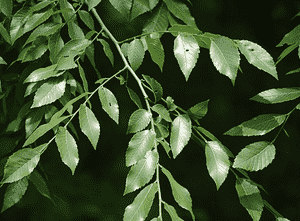
Winged elm flourishes optimally when relocated during the mild temperatures of late spring through mid-summer, facilitating strong root development. Select a site offering full sun to partial shade, featuring soil that drains effectively. Should it be necessary, apply mulch after transplanting to conserve soil moisture.
What Preparations are Needed Before Transplanting Winged Elm?
What is the Ideal Time for Transplanting Winged Elm?
The optimal period for relocating winged elm is from late spring to early summer. This timeframe offers a perfect balance of warmer temperatures and adequate rainfall, crucial for the establishment of winged elm's roots and its recovery post-transplant. Choosing this season maximizes winged elm's vitality and resilience, promoting a strong start before the intensity of peak summer heat.
How Much Space Should You Leave Between Winged Elm Plants?
Here's a tip for you, fellow gardener! To ensure each winged elm has ample room to flourish, they should be spaced approximately 10-15 feet (3-5 meters) apart. Remember, providing sufficient spacing is vital for achieving robust growth in your plants.
What is the Best Soil Mix for Winged Elm Transplanting?
Regarding soil type and initial fertilizer preparation, winged elm thrives in well-drained, fertile soil. It's advisable to enrich the soil with a balanced, slow-release fertilizer to guarantee your plant receives all necessary nutrients!
Where Should You Relocate Your Winged Elm?
Finally, the perfect location for your winged elm would be one that receives full sun to partial shade. This means, ideally, they should be exposed to sunlight for at least 4 hours daily. Happy Gardening!
What Equipments Should You Prepare Before Transplantation Winged Elm?
Gardening Gloves
To safeguard your hands during the physical tasks of digging and handling soil.
Spade
To excavate the winged elm's roots from its original spot and to dig the new planting hole.
Burlap
If the winged elm is large, it helps transport the plant securely without harming the roots.
Wheelbarrow or Trolley
To aid in moving the winged elm from its initial location to the transplanting site.
Watering Can
For moistening the soil and hydrating the plant after transplantation.
Mulch
To assist in retaining soil moisture and regulating soil temperature once the winged elm has been replanted.
How Do You Remove Winged Elm from the Soil?
How Do You Remove Winged Elm from the Soil?
From Ground: Start by watering the winged elm plant to moisten the soil, which facilitates easier removal. Use a spade to dig a trench around it, deep enough to encompass the root ball. Carefully work the spade beneath the root ball, lifting gently to extract the plant. For larger plants, wrap the root ball in burlap to safeguard and support the roots during the move.From Pot: Water the plant in its container; this will help keep the root ball intact when removing the winged elm. Tilt the pot sideways, placing your hand over the soil surface, and gently slide out the plant and root ball.From Seedling Tray: Water the tray to ensure the soil is damp. Carefully extract the winged elm seedling, making sure to include its root system and as much soil as possible. Avoid touching the stem or roots with your fingers to minimize damage.
Step-by-Step Guide for Transplanting Winged Elm
Identify the Plantâs Dripline
The dripline of the winged elm marks the outermost edge of the tree's canopy, where water drips to the ground. Dig the soil approximately one foot beyond this line.
Extract the Tree
Remove the winged elm from the ground after digging the trench. Be careful to preserve as much of the root ball as possible.
Prepare the Planting Hole
Next, dig a hole in the ground where you intend to transplant the tree. The hole should be twice as wide as the root ball but not deeper.
Transplant the Tree
Position the winged elm in the hole and backfill it with soil from the excavation. Ensure the tree is planted no deeper than it was in its previous spot.
Backfill and Water
After planting, add soil, apply water, and cover the planting area with 2-3 inches of mulch.
How Do You Care For Winged Elm After Transplanting?
Watering
Water the winged elm thoroughly immediately after transplanting. Maintain consistent soil moisture, but prevent it from becoming waterlogged.
Monitoring
Watch for signs of stress in the winged elm, such as wilting or discolored leaves. If these symptoms appear, you may need to adjust its care accordingly.
Staking
If the winged elm is tall and slender, it might require staking until it can support itself. Ensure stakes are placed outside the root ball and tied loosely to the tree.
Pruning
Light pruning may be necessary after transplant, but extensive pruning should be avoided as it can stress the tree. Only remove dead, diseased, or damaged branches.
Troubleshooting Common Issues with Winged Elm Transplantation.
When's the ideal time to transplant winged elm?
The most suitable periods for transplanting winged elm are late summer to early fall, preferably within seasons S3-S5.
How much space should I leave between winged elm when transplanting?
It's advisable to place winged elm plants around 10-15 feet (3-4.5 meters) apart. This gives them enough space to grow without competing for resources.
Do I need to prune winged elm before transplanting?
Yes, pruning winged elm before transplanting helps cut back on water loss and directs energy towards root development. Remove any damaged or diseased limbs.
What type of soil is best for transplanting winged elm?
Winged elm thrives well in a variety of soils. However, they prefer moist, well-draining soil. If your soil is heavy clay or sandy, work in some compost to improve its structure.
What should be the depth of the hole for transplanting winged elm?
Dig a hole approximately twice the width and the same depth as the root ball. This allows sufficient room for the roots to spread out and establish.
Do I need to water winged elm immediately after transplanting?
Yes! Watering is crucial after transplanting winged elm as it helps settle the soil around the roots and wards off transplant shock. Keep the soil moist, but not waterlogged.
How long should I wait to fertilize winged elm after transplanting?
Wait about 4-6 weeks (or until you notice new growth) to fertilize winged elm post-transplant. This gives the plant time to acclimate to its new spot without being bombarded with extra nutrients.
My transplanted winged elm is wilting, why might this be?
Winged elm may wilt due to transplant shock, which often occurs from sudden change in conditions. Ensure good watering practices and protect it from strong winds and direct sunlight for the first few days.
The leaves of my transplanted winged elm are turning yellow, what should I do?
Yellowing leaves might be a sign of overwatering or poor drainage. Adjust your watering schedule and ensure the soil drains well. If the issue persists, contact your local extension service for diagnosis and treatment options.
Do I need to stake my transplanted winged elm for stability?
Staking can be beneficial for larger winged elm specimens. However, be careful not to bind the trunk too tightly. Overly tight ties can cause damage to the growing tree.



