How to Transplant Graceful cattail?
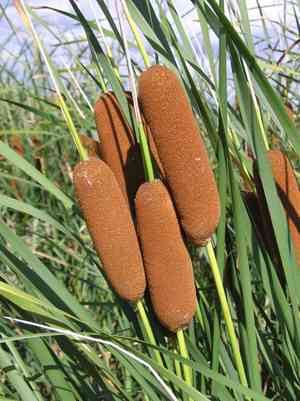
The most favorable period for relocating graceful cattail extends from the latter part of spring into the early phase of mid-summer, providing a combination of warm earth and sufficient development duration. Select a brightly lit spot with damp ground. Carefully introduce graceful cattail to its new environment to avoid stress, thereby boosting its refined strength.
What Preparations are Needed Before Transplanting Graceful Cattail?
What is the Ideal Time for Transplanting Graceful Cattail?
The optimal period to move graceful cattail is from early spring through the initial summer months. This timeframe allows graceful cattail's root system ample opportunity to establish itself in its new environment prior to the onset of cold weather. Relocating graceful cattail during this window stimulates root development, promoting vigorous health and a magnificent display in your garden. Ensuring graceful cattail finds its new spot during this growth-favorable season reflects the gentle care appropriate for such a delicate perennial.
How Much Space Should You Leave Between Graceful Cattail Plants?
Greetings! You'll want to provide your graceful cattail ample room to thrive. Aim to position them approximately 24-36 inches (60-90 cm) apart. This will afford them sufficient area to expand and develop elegantly!
What is the Best Soil Mix for Graceful Cattail Transplanting?
For your lovely graceful cattail, a fertile, loamy soil would be absolutely perfect! Prior to planting, incorporate some organic compost as a foundational fertilizer to give your plant a healthy boost.
Where Should You Relocate Your Graceful Cattail?
Your graceful cattail would adore a location where it can bask in sunlight! Select a spot that receives partial to full sun exposure. This will ensure your green companion gets the light it requires while enhancing your garden with its presence.
What Equipments Should You Prepare Before Transplantation Graceful Cattail?
Gardening Gloves
To safeguard your hands while handling soil and the plant.
Shovel or Spade
For digging around and carefully lifting the plant.
Garden Fork
To loosen the earth surrounding the plant's root system.
Watering Can or Hose
To hydrate the graceful cattail plant before and after its relocation.
Pruning Shears
To trim any impaired roots or foliage.
Wheelbarrow or Garden Cart
To transport the graceful cattail once it's removed from its original spot.
Trowel
For excavating the new planting hole.
How Do You Remove Graceful Cattail from the Soil?
How Do You Remove Graceful Cattail from the Soil?
From Ground: First, moisten the graceful cattail plant to soften the soil, making it easier to manage. Use a garden fork to loosen the earth around the plant, then a shovel or spade to dig a wide trench around it, ensuring you retain a significant portion of the roots. Slowly work the spade beneath the root ball and carefully lift the plant from the ground.From Pot: Hydrate the graceful cattail to ensure the soil is damp, which facilitates removal. Incline the pot to the side and gently tap the base to dislodge the plant. Support the plant by its base and carefully ease it out. If the plant is stuck, use a trowel to gently separate the soil from the pot's edges.From Seedling Tray: Identify a robust graceful cattail seedling with strong roots. Water the plant to make the soil pliable. Use a spoon or a trowel to carefully lift the seedling, ensuring a cluster of soil remains around the roots to protect them during the move.
Step-by-Step Guide for Transplanting Graceful Cattail
Prepare the New Location
At the new site, excavate a hole that is twice as wide and the same depth as the root ball of the graceful cattail.
Inspect the Roots
Before transplanting, carefully examine the root ball of the graceful cattail and trim away any damaged or dead roots using pruning shears.
Placement
Position the graceful cattail in the center of the new hole, ensuring it stands at the same depth it was previously growing. The top of the root ball should be level with the ground surface.
Backfill Soil
Gently refill the hole with the soil you removed, lightly tamping it down around the roots to eliminate air pockets.
Watering
Thoroughly water the graceful cattail after planting to settle the soil and help remove any remaining air pockets. This also provides essential hydration for the roots to begin establishing in their new location.
How Do You Care For Graceful Cattail After Transplanting?
Mulching
Apply a layer of mulch around the base of the graceful cattail to help retain soil moisture and regulate soil temperature.
Monitoring
Keep a close watch on the plant for indications of stress, such as wilted or yellowing leaves. This can signal that the graceful cattail requires more attention.
Additional Support
If the graceful cattail is tall or the site is exposed, consider staking the plant to provide support against wind until it can establish a strong root system.
Pest and Disease Management
Regularly inspect the graceful cattail for pests or diseases. Early detection and treatment can prevent more serious problems.
Troubleshooting Common Issues with Graceful Cattail Transplantation.
What's the best time to transplant graceful cattail for optimal growth?
Relocate graceful cattail during the warm period from late spring to mid-summer to encourage vigorous growth.
How far apart should I plant graceful cattail for healthy development?
Space graceful cattail at intervals of 24-36 inches (61-91 cm) to ensure they have ample room to thrive.
What are common signs of improper transplanting of graceful cattail?
Wilting, discoloration, and stunted growth can indicate issues with transplanting. Ensure you follow the steps carefully.
How deep should the hole be when transplanting graceful cattail?
The hole should be as deep as the root ball, but twice as wide to accommodate growth.
Can I transplant graceful cattail on a hot, sunny day?
It's best to transplant graceful cattail on a cloudy day or in the evening to minimize transplant shock.
How much should I water graceful cattail after transplanting?
Water graceful cattail thoroughly upon transplanting and keep soil consistently moist for the initial few weeks.
Should I fertilize graceful cattail immediately after transplanting?
Wait 4-6 weeks before fertilizing graceful cattail to allow roots to settle and avoid chemical burn.
What type of soil is best for transplanting graceful cattail?
Graceful cattail thrives in rich, loamy soil. Amend with compost to enhance soil quality if needed.
How do I handle root-bound graceful cattail when transplanting?
Gently separate the roots or make vertical cuts to encourage spreading in the new location.
Can I divide graceful cattail during transplanting for propagation?
Yes, graceful cattail can be carefully divided at the root mass during transplant to propagate new plants.



