How to Transplant Western hemlock?
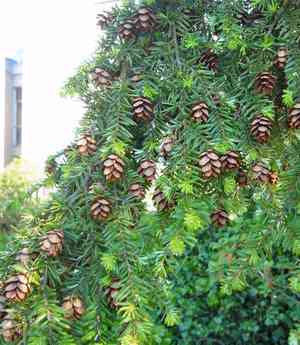
Utilize the increasing warmth of late spring to early summer for relocating western hemlock, as moderate temperatures facilitate root integration. Select a shaded location with humid, adequately draining earth to accommodate this evergreen's root system, and ensure the soil remains consistently moist after transplantation for optimal adaptation.
Essential Preparations Before Relocating Western Hemlock
Optimal Period for Western Hemlock Relocation?
The best time to move western hemlock is from late spring to early summer. This timing allows western hemlock to settle in before the intense summer heat. Transplanting western hemlock during this window provides sufficient time for new root development and full recovery from the shock of relocation prior to colder weather. It offers western hemlock an opportunity to flourish, as mild conditions and increasing daylight support vigorous development. Ensuring western hemlock is established in its new spot during this prime period can result in a lush, thriving specimen.
Recommended Spacing Between Western Hemlock Plants?
For optimal growth of western hemlock, aim to position each plant approximately 20-30 feet (about 6-9 meters) apart. This provides ample room for root expansion without competition. It's advisable to pre-mark your garden to guarantee consistent spacing.
Ideal Soil Mixture for Western Hemlock Transplanting?
Western hemlock thrives in soil that is well-drained and consistently moist. Incorporate a foundational fertilizer such as organic compost, which supplies vital nutrients for development. If your soil is heavy clay or overly sandy, enriching it with compost will enhance its structure and nutritional content.
Selecting a New Site for Your Western Hemlock?
Choose a location where western hemlock will receive dappled sunlight or partial shade. While it can endure various light conditions, excessive direct sun might scorch the plant, whereas insufficient light could hinder its growth.
Tools Required Before Transplanting Western Hemlock
Gardening Gloves
To safeguard your hands from soil and debris, and from any sharp roots or branches.
Shovel or Spade
A garden spade can be utilized to carefully excavate the western hemlock from its original spot, ensuring the root ball remains intact.
Gardening Trowel
Perfect for digging smaller holes if you are moving a plant from a container or seedling tray.
Watering Can
To keep the western hemlock's root system hydrated during the relocation process.
Wheelbarrow
for transporting the plant if it is large.
Measuring Tape
to ensure accurate spacing and planting depth.
How to Extract Western Hemlock from the Ground?
How to Extract Western Hemlock from the Ground?
From Ground: Hydrate the western hemlock plant to moisten the soil, facilitating easier digging. Create a wide trench around the plant using a shovel or spade, making sure the root ball is preserved. Gently work the spade beneath the root ball to lift the plant from its initial position.From Pot: Water the western hemlock plant thoroughly. Then, invert the pot and gently tap it to release the plant. Be sure to support the root ball to prevent the plant from dropping abruptly.From Seedling Tray: Water the western hemlock seedlings and carefully separate them if they are growing in clusters. Use a trowel or your fingers to delicately lift each seedling, aiming to retain as many roots as possible.
Detailed Steps for Transplanting Western Hemlock
Hole Preparation
Excavate a hole at your chosen transplant site. The hole should be twice the size of the western hemlock's root ball. Ensure the base of the hole is loose to aid root establishment.
Position the Plant
Carefully lower the western hemlock into the hole, making sure it sits at the correct depth. It's crucial that the top of the root ball is level with the surrounding ground.
Backfill the Hole
Begin filling in around the root ball with the native soil, gently firming it as you proceed.
Watering
Immediately after transplanting, water the western hemlock generously to settle the surrounding soil and assist the plant in recovering from transplant shock.
Mulching
Apply a layer of mulch around the plant to help retain moisture.
Post-Transplant Care for Western Hemlock
Aftercare_Feeding
To encourage recovery and stimulate growth, provide the western hemlock with a slow-release, balanced fertilizer approximately one week after transplanting.
Pruning
Trimming back the western hemlock can be beneficial for developing a more compact and denser appearance. However, limit pruning immediately after transplant to avoid excessive stress on the plant.
Regular Check
Monitor your western hemlock's progress. Ensure it exhibits healthy growth and no indications of stress or disease.
Addressing Common Issues During Western Hemlock Transplantation.
When is the optimal time to transplant western hemlock?
It's recommended to transplant western hemlock between late summer and early autumn (S3-S4). During this period, the plant's growth slows, which minimizes transplant shock.
What should be the ideal spacing when planting western hemlock?
Proper spacing is crucial for healthy development. Each western hemlock should be planted approximately 20-30 feet (6-9 meters) apart to ensure ample room for their substantial size.
What actions should be taken if western hemlock displays signs of transplant shock?
If symptoms of transplant shock appear, water the western hemlock consistently and refrain from fertilizing until it has recovered. Excessive fertilizer can further stress the plant.
How deep should the hole be when transplanting western hemlock?
For western hemlock, excavate a hole two to three times wider than the root ball and equally deep. This provides sufficient space for roots to spread and grow.
What's the ideal soil type for western hemlock transplantation?
Western hemlock thrives in well-drained, acidic soil. It is also important that the soil is rich in organic matter to promote healthy growth.
How should I water western hemlock after transplanting?
Water western hemlock deeply immediately after transplanting. Subsequently, continue to water regularly, ensuring the soil is moist, but not waterlogged.
Should I prune western hemlock during the transplanting process?
Pruning western hemlock before transplanting is not typically necessary. However, any dead or damaged branches should be removed to encourage new growth and overall plant health.
How to protect western hemlock from pests after transplanting?
Maintaining a clean area and utilizing organic solutions can deter pests. If pests persist, consider a mild pesticide that is safe for western hemlock.
Is staking necessary for western hemlock after transplanting?
Staking is generally not required for western hemlock unless they are planted in a windy location. If so, use a loose, wide material to prevent trunk damage.
What to do if western hemlock's leaves begin to yellow after transplant?
Western hemlock's leaves may yellow due to stress or nutrient deficiency. Ensure the plant is watered regularly and consider a slow-release fertilizer.



